12 Personal Branding Photoshoot Examples

12 Personal Branding Photoshoot Examples

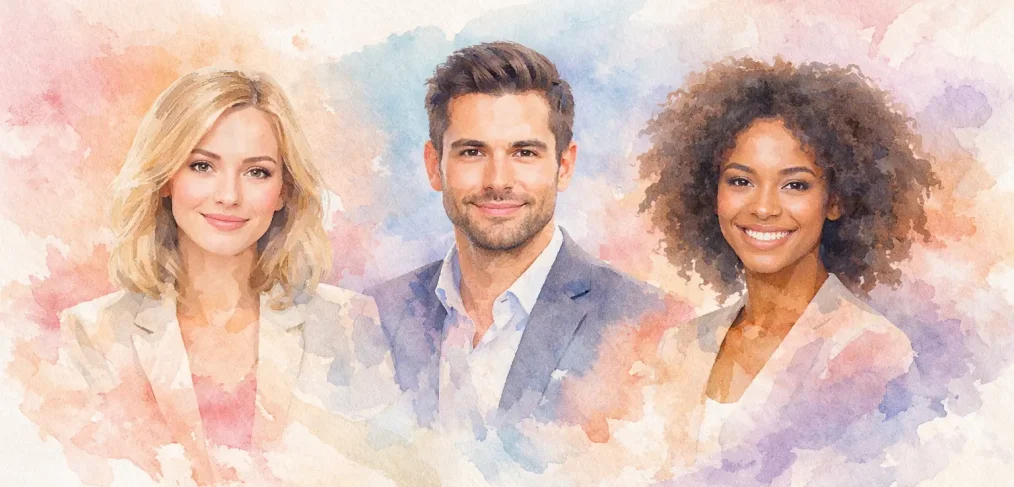
The difference between a photo that merely looks nice and one that actually moves your business forward usually comes down to intention. The best personal branding photoshoot examples do more than show your face. They show your presence, your point of view, and the kind of experience people can expect when they work with you.

For women building a business, especially in service-based industries, that distinction matters. A polished branding session should feel elevated, but it should also feel true to your work. If your images are too generic, they disappear. If they are overly styled without strategy, they can feel disconnected from the brand you are trying to build. The goal is a gallery that is beautiful, yes, but also useful.

Why personal branding photoshoot examples matter

Most people do not struggle with wanting brand photos. They struggle with knowing what kind of photos they actually need. Looking at personal branding photoshoot examples helps you move from vague ideas to clear direction.

A strong example can show you how wardrobe, setting, posture, props, and expression all work together. It can also reveal what kind of visual language fits your brand best. A wellness coach may need softness and calm. A real estate agent may need confidence and polish. A creative educator may need warmth with a touch of authority. The session should match the business, not a trend.

That is why planning matters as much as the camera. A thoughtful shoot gives you variety without losing consistency, which is exactly what makes your website, social content, and marketing materials feel refined.

12 personal branding photoshoot examples to inspire your session

1. The clean studio headshot

This is the foundation image almost every business owner needs. Think simple backdrop, flattering light, direct eye contact, and a polished expression that feels approachable rather than stiff.

This type of image works well for profile photos, speaker features, press requests, and website bios. It is classic for a reason. If your current headshot is cropped from a vacation photo or taken against a busy wall, this is the first upgrade to prioritize.

2. The working-at-your-desk portrait

A desk scene adds context. It tells your audience that you are active, organized, and engaged in your work. The key is to keep it intentional. A beautiful laptop, a notebook, coffee, product samples, or a curated workspace can all support the story.

What matters is realism with polish. Your desk should look like your brand on its best day, not like a staged office supply ad.

3. The client experience moment

If your business is built on service, show that service in action. A coach reviewing notes with a client, a photographer adjusting fabric, a stylist consulting on wardrobe, or a designer presenting concepts can all create images that feel dynamic and trustworthy.

These photographs are especially useful because they move beyond identity and into experience. They help future clients picture what it feels like to work with you, which is often the missing piece in brand imagery.

4. The editorial seated portrait

This is where branding starts to feel more elevated. A seated pose in a carefully chosen chair or sofa, styled with clean lines and intentional wardrobe, can create a sense of authority without looking overly corporate.

For many women entrepreneurs, this is the image that balances softness and strength beautifully. It feels composed, feminine, and confident. It is ideal for website banners, sales pages, and features where you want a more premium visual impression.

5. The lifestyle coffee shop or lobby scene

Not every brand needs a studio-only look. Sometimes a refined public space adds warmth and relatability. A quiet coffee shop corner, a modern hotel lobby, or a bright meeting area can create a natural setting for candid portraits.

This approach works especially well for consultants, writers, coaches, and creatives whose work is built around conversation, ideas, and connection. The trade-off is that lifestyle locations need careful styling so the final images still feel cohesive and not random.

6. The detail-driven hands shot

Branding is not only about your face. Close-up images of hands typing, arranging products, flipping through a planner, holding a phone, or making notes can give your gallery texture and flexibility.

These are often the unsung heroes of a branding session because they are so useful in design. They work beautifully behind text on a website, inside email graphics, and across social media where variety keeps your visuals feeling current.

7. The signature tools portrait

Every profession has visual cues. A makeup artist with brushes, a nutrition coach with a meal plan, a photographer with a camera, a florist with shears and stems, or a consultant with strategy notes can all use tools to anchor the story.

The goal here is subtlety. Props should support your expertise, not overwhelm it. If the item instantly signals what you do, it is probably worth including. If it feels forced, it probably is.

8. The wardrobe-change confidence shot

One of the smartest ways to build a versatile gallery is with intentional outfit changes. A structured blazer gives one message. A soft dress or knit set gives another. Both can belong in the same session if they reflect different sides of your brand.

This is especially helpful for business owners who wear multiple hats. You may need polished images for speaking and media, and warmer lifestyle images for social content. A strong session can hold both without feeling disjointed.

9. The behind-the-scenes creative image

If your work involves making, designing, styling, teaching, or photographing, behind-the-scenes portraits add credibility. They show process, which often builds trust faster than a posed image alone.

For photographers and educators, this can mean adjusting lighting, reviewing a camera screen, organizing materials, or preparing a set. For clients, these images suggest experience and care. They communicate that your work is thoughtful from beginning to end.

10. The personal touch portrait

Some of the strongest branding images include a small glimpse of the person behind the business. That could mean reading, arranging flowers, selecting wardrobe pieces, or simply sharing a quiet, natural expression in beautiful light.

This kind of image is especially effective for personal brands because people often buy from people before they buy from businesses. The trick is balance. Personal does not have to mean overly casual. It should still feel aligned with the level of service you offer.

11. The movement shot

Walking toward the camera, adjusting a jacket, turning slightly, or laughing mid-motion can bring a gallery to life. Movement makes images feel less static and often helps clients relax during the session.

These photos are perfect for homepages and social posts because they create energy. They also pair well with more classic portraits, giving your final collection a fuller range.

12. The brand statement image

Every branding session should include one or two images that feel unmistakably yours. This is the hero shot – the image that captures your style, presence, and brand promise in a single frame.

For some, that is a minimalist studio portrait with strong posture and clean wardrobe. For others, it is a fine-art-inspired image with texture, softness, and intentional styling. This is where working with a photographer who understands both aesthetics and strategy makes all the difference.

How to choose the right personal branding photoshoot examples for your business

The best inspiration is not always the prettiest image on a mood board. It is the example that fits your actual goals. Before your session, ask yourself where these photos will live and what they need to do.

If you need website photos, prioritize a mix of horizontal and vertical images with negative space for design. If you need social content, variety and candid movement matter more. If you are positioning yourself for speaking, press, or leadership opportunities, a refined headshot and strong editorial portraits should lead the session.

It also helps to think about your audience. A luxury service provider may need cleaner styling and more elevated locations. A family-centered business may benefit from warmth, softness, and approachability. Neither is more correct. It depends on the story your brand needs to tell.

What makes branding photos feel timeless instead of trendy

Timeless branding images usually share a few qualities. The styling is intentional, the posing feels natural, and the editing is clean. They do not rely too heavily on seasonal trends, overly busy sets, or props that will date the images quickly.

That does not mean your photos should feel plain. It means they should be rooted in clarity. Modern, minimal, fine-art-inspired branding often lasts longer because it gives the subject room to lead. Your expression, wardrobe, and presence become the focus, which keeps the images relevant well beyond one campaign.

For business owners in visually driven fields, that refined approach can be especially valuable. It gives you content that feels current now and still usable a year from now, which makes the investment work harder.

Planning a branding session that actually serves your business

A beautiful gallery starts long before the camera comes out. Wardrobe should support your brand colors and the level of polish you want to communicate. Locations should reflect your business without distracting from it. Poses should feel like you, just a more intentional version.

This is also where many clients benefit from professional guidance. When your photographer helps shape the concept, not just capture it, the final images feel more cohesive. At Veronika Gant Photography, that kind of polished, intentional visual storytelling is what turns a simple session into a brand asset.

The best branding photos are not about pretending to be someone else. They are about presenting your work and your presence with clarity, beauty, and confidence. Start there, and your photos will do far more than fill a website. They will help people recognize your value before you ever say a word.

Mini Sessions vs Full Sessions

Mini Sessions vs Full Sessions

You found the date, everyone’s schedules finally align, and now one question decides the entire experience: mini sessions vs full sessions. It sounds simple at first, but the right choice affects everything from how relaxed you feel in front of the camera to how much variety you see in your final gallery.

For some families, a mini session is exactly enough. For others, it is the reason the experience feels rushed instead of meaningful. The best option is not the one with the lower price or the longer timeline. It is the one that matches the season you are in, the story you want to preserve, and the level of support you want throughout the process.

Mini sessions vs full sessions: what changes?

The biggest difference is not just time. It is depth.

A mini session is designed to be short, efficient, and beautifully focused. These sessions usually happen on select dates, with a set location, a set timeframe, and a streamlined structure. They are ideal when you want updated portraits without a more customized planning process. Think holiday cards, a quick motherhood update, a few polished family images, or simple children’s portraits when your child is comfortable warming up quickly.

A full session offers more room for artistry and connection. There is space to settle in, adjust styling, move through different poses naturally, and create a gallery with more range. If you are celebrating maternity, a first birthday, a cake smash, a mommy and me session, or a family milestone that deserves a more tailored approach, a full session usually gives you the experience people picture when they want timeless portraits.

That difference matters. When a session is shorter, everything needs to click quickly. When a session is longer, there is more grace for real life.

When a mini session is the right fit

Mini sessions work beautifully when your goal is clear and simple. If you know you only need a handful of strong images, you love the offered setup, and your family can step into the session ready to go, a mini can feel easy in the best way.

This format is especially appealing for busy parents. A shorter session can be easier to coordinate around naps, school pickups, or weekend plans. It can also feel less intimidating for clients who do not want a full portrait experience but still care deeply about having elegant, polished images.

They are also a lovely option for seasonal offerings. If the set, location, or concept already reflects the mood you want, there is real value in showing up and letting the process be effortless.

Mini sessions can be a strong fit when:

  • You want a small number of updated portraits
  • Your child usually warms up quickly
  • You are comfortable with less customization
  • You love the preselected location or theme
  • You have a tighter budget but still want beautiful professional images

The trade-off is flexibility. You usually cannot expect extended outfit changes, multiple backdrops, or much time for children who need a slower start. If your little one needs time to trust the camera, or if you want a gallery that feels layered and expressive, the shorter format may feel limiting.

When a full session is worth it

A full session gives your portraits space to breathe.

That matters for maternity portraits, motherhood sessions, branding images, milestone portraits, and family sessions where you want more than a few smiling-at-the-camera shots. The extra time allows for soft transitions, movement, styling changes, and those in-between moments that often become the most treasured images.

Full sessions are also better for children with bigger feelings, shy personalities, or lots of energy. Instead of trying to get everything in a narrow window, there is time to follow their rhythm. That often leads to photographs that feel more natural and less forced.

If you care about variety, this is usually where a full session stands apart. You may have more options in wardrobe, posing, backdrop selection, composition, and emotional tone. Your final gallery can feel more complete rather than simply efficient.

A full session is often the better choice if you are:

  • Documenting a major life season
  • Wanting multiple looks or a more editorial feel
  • Photographing more than one child
  • Including extended family dynamics within the session
  • Hoping for a relaxed, guided experience with room to personalize

There is a financial difference, of course, and that should be acknowledged honestly. A full session is an investment. But for many families, the value is not just in getting more images. It is in having a more thoughtful experience and a final collection that feels worthy of the moment.

The emotional difference clients often overlook

Most people compare mini sessions vs full sessions by price and time. That makes sense, but it misses something important: how you want to feel.

A mini session tends to feel brisk and focused. That can be wonderful if you thrive with structure and simplicity. You arrive, follow a clear plan, and leave with exactly what you came for.

A full session often feels more immersive. There is time to be seen, styled, and guided in a way that turns the appointment into an experience rather than a task on the calendar. For maternity and motherhood portraits in particular, that emotional space matters. These are not just photos for social media. They are visual proof of a season that changes quickly.

If you are choosing between the two, ask yourself whether you want coverage or connection. Both have value. They simply serve different needs.

How to decide between mini sessions vs full sessions

Start with the reason you are booking.

If your goal is “we need a few beautiful updated family photos,” a mini session may be perfect. If your goal is “I want to remember this chapter well,” that usually points toward a full session.

Then think about your child or children. A cooperative toddler on a good day can do wonderfully in a mini. A child who needs space, breaks, or play-based interaction may do far better in a full session. The same goes for family groups. The more moving parts involved, the more valuable extra time becomes.

Next, consider styling. If you want one coordinated look and a clean, straightforward result, mini sessions make sense. If you are envisioning more wardrobe planning, a refined studio feel, or several portrait styles within one booking, a full session supports that vision better.

It also helps to think about what you want to do with the images. If you need a few favorites for gifts, announcements, or updating frames at home, a mini may check every box. If you want an album, wall art, or a gallery with enough depth to tell a fuller story, the full session is often the stronger choice.

For motherhood and milestone portraits, context matters

Not every life moment should be approached the same way.

A simple annual update can be lovely as a mini session. But milestones with more emotional weight usually deserve more intention. Maternity portraits, cake smash sessions, mommy and me portraits, and branding sessions often benefit from a slower pace and more customized direction. These are the images you may return to for years, especially when the season itself feels fleeting.

This is where a boutique studio experience becomes different from a bargain appointment. The goal is not to take as many photos as possible. The goal is to create artwork that feels elegant, flattering, and personal.

For clients in San Antonio who are drawn to a modern, fine art approach, choosing the right session format matters because it shapes the final result as much as wardrobe or location does.

There is no universally better option

Mini sessions are not lesser. Full sessions are not automatically necessary. Each one serves a distinct purpose.

The mistake is booking a mini while expecting the creative freedom of a full session, or booking a full session when all you really wanted was a small seasonal update. When expectations and format match, the experience feels smooth and the final images feel right.

If you are unsure, it helps to be honest about three things: your budget, your expectations, and your family’s temperament. That combination usually reveals the answer quickly.

Some seasons call for simplicity. Others deserve more room, more care, and more time to create something lasting. The best choice is the one that lets you enjoy being in the frame instead of feeling rushed by it.

How to Pose for Branding Photos Naturally

How to Pose for Branding Photos Naturally

You booked the session, chose the outfits, and maybe even picked your brand colors. Then the real question shows up the night before: how to pose for branding photos without looking stiff, awkward, or overly rehearsed. That concern is completely normal, especially if you want images that feel polished and still look like you.

The good news is that strong branding photos are rarely about knowing a long list of poses. They are about understanding what your body is communicating on camera. A subtle shift in posture, where your hands rest, or the direction of your gaze can completely change the feeling of an image. For personal brands, that matters. You are not only being photographed – you are presenting trust, confidence, warmth, and credibility in a single frame.

What branding photos should communicate

Before you think about your angles, think about your message. A branding gallery is not just a prettier version of a headshot. It should reflect how you want people to experience your business. For one woman, that might mean refined and editorial. For another, it may be warm, approachable, and creative. Most brands need some balance of both.

This is why posing for branding photos works best when it matches your role and audience. A real estate professional, a coach, a photographer, and a boutique owner may all want polished portraits, but their body language should not be identical. If your brand is built on connection, your poses should feel open and inviting. If your work is more luxury-focused, cleaner lines and a more composed expression may serve you better.

How to pose for branding photos with confidence

Confidence on camera rarely starts with your face. It starts with your posture. Stand tall, lengthen through your spine, and let your shoulders relax down instead of pulling them up with tension. Good posture creates elegance right away, but it also helps you breathe more naturally, which softens the entire image.

One of the simplest ways to look natural is to avoid standing flat to the camera. Turning your body slightly creates shape and is usually more flattering than facing forward with both shoulders squared. A three-quarter angle tends to photograph beautifully because it gives definition without feeling forced.

Your chin matters more than most people realize. When people feel nervous, they often pull their chin back, which can create tension through the jaw and neck. Instead, think about lifting through the crown of your head and bringing your forehead slightly forward. It feels unusual in the moment, but on camera it creates a cleaner, more refined portrait.

Hands are another common source of stress. If you do not know what to do with them, that uncertainty will show. Give your hands a purpose. Lightly touch your necklace, adjust a cuff, hold a laptop, rest one hand at your waist, or place fingertips softly along your jawline. The key word is lightly. Tension in the hands reads immediately in photos.

Movement also helps. Some of the most natural branding images come from in-between moments rather than a perfectly held pose. Walking slowly, turning toward the camera, sitting down, smoothing your blazer, or tucking hair behind your ear can create that polished but effortless look many women want.

The most flattering poses for personal brand sessions

Standing poses tend to feel strongest when you shift your weight onto one leg. This creates a natural bend in the body and keeps you from looking rigid. If both feet are planted evenly, the pose can feel heavy and static. A relaxed weight shift instantly adds grace.

Seated poses work beautifully for brands that want a grounded, elevated feel. Sit near the edge of the chair rather than leaning all the way back. Keep length in your posture, cross at the ankle or angle your knees slightly, and let your arms stay relaxed. Sitting too deeply into furniture can flatten posture and make the image feel less intentional.

Leaning poses can feel modern and editorial when done well. A light lean against a wall, desk, or table gives the body structure and creates a calm, confident mood. The trade-off is that too much pressure into the surface can look casual in the wrong way, so this style works best with soft, controlled body language.

Close-up poses require less body awareness and more facial awareness. A slight turn of the face is often more flattering than looking straight into the lens. Your expression does not need to be a full smile in every frame. Depending on your brand, a subtle smile, calm gaze, or thoughtful expression can all work beautifully. Variety is what makes a gallery useful.

Expression matters as much as the pose

If you are wondering how to pose for branding photos, remember that posing includes expression. The same body position can look friendly, distant, polished, or nervous depending on your face. That is why forced smiling usually falls flat. It may look cheerful, but not necessarily genuine.

Instead of trying to hold one expression, think in moods. Imagine welcoming a client. Imagine explaining something you love. Imagine greeting someone with confidence. These small mental cues create more believable expressions than simply being told to smile.

There is also room for quieter images. Not every personal brand needs bright, high-energy photographs. If your work is centered on calm expertise, luxury service, or thoughtful storytelling, a softer expression may be exactly right. Strong branding is not about looking like everyone else. It is about looking aligned.

Clothing changes how posing feels

What you wear affects your posture, movement, and comfort. Structured blazers, fitted dresses, and tailored pieces often support stronger posing because they create clean lines. Flowy fabrics can be beautiful too, especially for more feminine, artistic brands, but they may need more movement to photograph with intention.

Necklines matter in close-ups. Sleeves matter when you are using your arms and hands in the frame. Shoes matter if standing poses are part of the session. If an outfit requires constant adjusting, it will be harder to settle into the moment.

This is one reason a curated wardrobe makes such a difference. When your clothing fits well and reflects your brand, you spend less time worrying about how you look and more time connecting with the camera. That ease is visible.

Props can make posing easier

A prop is not there to distract. It is there to support the story and give your hands something natural to do. A coffee mug, phone, notebook, laptop, camera, product packaging, or bouquet can add context and soften posing at the same time.

The right prop can also make your images more versatile for marketing. A founder at her desk, a creative holding her tools, or a business owner packaging an order all communicate something specific. The caution is to avoid clutter. Too many items can compete with you, and branding portraits should still keep the focus on your presence.

What to do if you feel awkward on camera

Most people are not models, and they do not need to be. You do not need perfect angles memorized before your session. You need direction, trust, and a photographer who knows how to guide you into natural movement.

If you feel stiff, do not freeze and try harder. Reset. Take a breath. Move your shoulders. Change your hand placement. Walk a few steps and come back into position. Often, the awkwardness comes from holding still too long, not from doing the wrong pose.

It also helps to stop judging every frame while you are being photographed. The women who look most at ease are not usually the ones who know exactly what to do. They are often the ones who allow themselves to be guided and stay present.

A strong branding gallery needs variety

The most effective branding sessions include more than one look and more than one energy. You may want direct-to-camera confidence for your website homepage, softer smiling portraits for social media, detail images of your hands at work, and editorial frames that elevate your overall visual identity.

That variety comes from small adjustments, not dramatic changes. A step forward, a seated variation, a jacket on or off, a different crop, or a shift from smiling to a composed expression can create an entirely new image. This is where an experienced eye matters. Fine art portraiture and personal branding both depend on nuance.

At Veronika Gant Photography, that polished, intentional approach is what makes portraits feel elevated rather than generic. The goal is never to force you into a version of confidence that does not fit. It is to create imagery that looks refined, feels natural, and supports the next season of your brand.

The best pose is the one that helps you look like yourself at your strongest – poised, approachable, and fully at home in your own story.

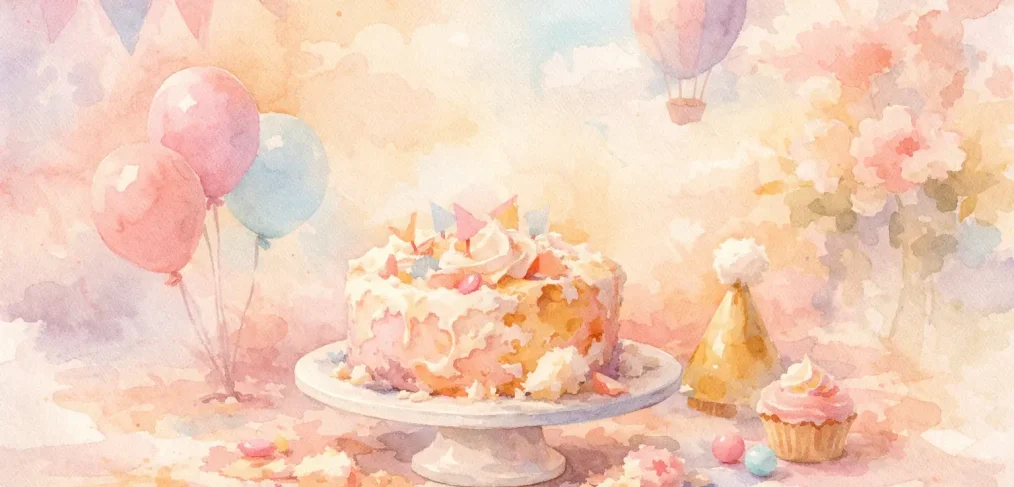
12 Best Themes for Cake Smash Photos

12 Best Themes for Cake Smash Photos

The best themes for cake smash sessions are the ones that feel beautiful in photos now and still feel right years from now. A first birthday is joyful and a little chaotic by nature, but the theme does not need to be loud to make an impact. In fact, the most memorable cake smash portraits usually come from a clear concept, a thoughtful color palette, and styling that keeps your baby at the center.

If you are choosing a setup for your little one’s milestone session, it helps to think beyond what is trendy on social media this month. The right theme should reflect your child’s personality, fit the overall look you love, and photograph well from every angle. Some parents want softness and simplicity. Others want color, texture, and a bit more play. Both can be beautiful when the design is intentional.

How to choose the best themes for cake smash sessions

Before settling on props or ordering a custom cake, start with the finished portraits in mind. Ask yourself whether you want the images to feel timeless, whimsical, modern, or playful. That answer will shape everything else, from wardrobe to backdrop to cake design.

Color matters more than most parents expect. Soft neutrals create an elevated, fine-art feel and keep skin tones looking luminous. Brighter palettes can be charming, but they require more restraint. Too many competing shades can pull attention away from your baby’s expressions, which are really the heart of the session.

Scale is another detail that changes the final result. A few well-chosen elements usually photograph better than a crowded set. Balloons, florals, or one statement prop can be enough. When every inch of the space is filled, the images can start to feel busy instead of polished.

12 best themes for cake smash portraits

1. Minimal white and neutral

This is a favorite for a reason. A clean backdrop, soft ivory tones, and a simple cake create portraits that feel elegant and timeless. The focus stays on your baby’s face, little hands, frosting-covered cheeks, and all the natural expressions that make a cake smash so special.

This theme works especially well if you love refined imagery and want photos that blend beautifully into your home. It also gives more flexibility with wardrobe, whether you choose a delicate romper, a classic dress, or a simple diaper cover.

2. Floral garden

A floral setup brings softness and charm without feeling overly themed. Think pastel blooms, subtle greenery, and a cake with fresh, romantic details. It is especially lovely for parents who want something feminine and graceful, though it can easily be adapted with more neutral or seasonal florals.

The trade-off is that floral sets need balance. Too many colors or oversized arrangements can overpower a small child. When done with restraint, though, the result is beautifully polished.

3. Teddy bear picnic

There is something undeniably sweet about a teddy bear cake smash. A few plush bears, warm beige tones, and a simple picnic-inspired setup feel nostalgic in the best way. It is playful, but still soft and classic.

This theme is ideal for babies with calm, curious personalities because it gives them a few familiar elements to interact with. It also photographs beautifully in a studio setting where textures can be layered without making the scene feel cluttered.

4. Vintage circus

For parents who want something with personality, a vintage circus theme can be charming when it leans classic rather than cartoonish. Muted reds, soft blue, stripes, and old-world details create a playful look with visual interest.

This is one of those ideas that depends on execution. Done with bright primary colors and too many props, it can feel overwhelming. Done with a more refined palette, it feels festive and editorial.

5. One in a melon

Fruit-inspired themes remain popular because they are cheerful, fresh, and easy to customize. A one in a melon concept usually uses pink, green, and white, which can feel vibrant without being too harsh if the colors are softened.

This theme tends to photograph best in summer or when parents want a more lighthearted mood. The key is keeping the styling cohesive. A simple cake and one or two supporting details are often enough.

6. Wild one

A wild one cake smash is a strong choice for parents who want something adventurous but still stylish. This can go in several directions, from boho safari to woodland-inspired, and that is exactly why it helps to define the look early.

If you prefer a fine-art aesthetic, skip anything overly literal. Soft earth tones, subtle animal references, and natural textures like rattan or linen usually create a far more elevated result than a heavily themed jungle backdrop.

7. Boho rainbow

Boho rainbow themes have stayed popular because they feel gentle, modern, and sweet. Muted rainbow tones, dried florals, and natural textures give the session a soft celebratory feel without looking too busy.

This option works particularly well for parents who want color but still want the portraits to feel sophisticated. It pairs beautifully with neutral wardrobe choices and a cake with understated details.

8. Little cowboy or cowgirl

In Texas, this one can feel especially personal without becoming overly rustic. A subtle western setup with a hat, boots, soft denim tones, and warm neutrals can be incredibly charming for a first birthday session.

The best version of this theme avoids novelty overload. You do not need hay bales, signs, and every country prop available. A few intentional details can tell the story much more beautifully.

9. Butterfly garden

Butterflies add whimsy and movement in a way that feels delicate rather than loud. Paired with blush, lavender, cream, or soft sage, this theme creates dreamy portraits that still feel classic.

It is a wonderful option for parents who want something sweet and feminine with a little magic. As with florals, the key is scale. Small, thoughtfully placed details tend to feel more luxurious than oversized decorations.

10. Classic blue or pink monochrome

Sometimes the simplest concept is the strongest. Choosing one main color – powder blue, blush pink, soft sage, buttercream yellow – can create a very cohesive and high-end look. The backdrop, balloons, cake, and wardrobe can all play within that family without feeling flat.

Monochrome themes are especially effective when you want a clean visual story. They also allow the texture of the cake, clothing, and set details to stand out more naturally.

11. Celestial moon and stars

A moon and stars cake smash can feel dreamy, modern, and slightly unexpected. Soft gold accents, creamy whites, and muted blue or gray create a look that is peaceful and magical without being overdone.

This theme works well for parents who want something imaginative but still refined. Metallic accents should be used carefully, though. A little shimmer is beautiful. Too much can distract from the softness of the portraits.

12. Birthday editorial

If you love a modern boutique look, an editorial-style birthday theme may be the most elevated option of all. Think a clean backdrop, a beautifully designed cake, perhaps one cluster of balloons, and wardrobe that feels polished and intentional. No characters. No visual noise. Just a chic celebration of turning one.

This approach is ideal for families who want milestone portraits that feel both current and timeless. It may look simple, but simplicity done well is often the most luxurious choice.

What makes a cake smash theme photograph beautifully

The best themes for cake smash photos are not always the most elaborate. They are the ones built with proportion, texture, and color harmony in mind. A baby’s expressions are quick and genuine. The set should support those moments, not compete with them.

Cake design plays a major role here. Tall cakes with too many decorations can look top-heavy and awkward once little hands get involved. A smaller cake with clean frosting and subtle detail usually photographs better and is easier for babies to explore.

Wardrobe matters just as much. If the set is detailed, clothing should be simpler. If the set is minimal, wardrobe can carry a bit more personality through texture, ruffles, lace, or tailored details. The most polished sessions feel coordinated, not matched too perfectly.

When trendy themes are worth it and when they are not

There is nothing wrong with choosing a trend if you genuinely love it. The problem comes when a theme is selected only because it is popular, even though it does not fit your style. A first birthday session should still feel like your family.

If you tend to decorate your home in soft neutrals, a neon-heavy setup may not feel right once those portraits are on your walls. On the other hand, if your family loves color and playfulness, a very minimal set may feel too restrained. This is where a personalized approach matters. The best sessions meet in the middle between what photographs beautifully and what feels true to you.

For many families, that balance is exactly what makes a custom cake smash experience worthwhile. At Veronika Gant Photography, the most striking milestone portraits often come from themes that are thoughtfully edited, visually cohesive, and designed to let your child shine.

When you are choosing your theme, trust the look you want to remember. Frosting-covered fingers, a curious smile, and that first taste of birthday cake do not need much help. They just need a setting beautiful enough to honor the moment and simple enough to let it breathe.

Cake Smash Photos vs Birthday Portraits

Cake Smash Photos vs Birthday Portraits

The frosting-covered grin happens fast. One minute your baby is studying the cake like a tiny critic, and the next, there is icing on their cheeks, hands, outfit, and somehow in their hair. That is exactly why parents often weigh cake smash photos vs birthday portraits so carefully. Both celebrate a milestone, but they tell very different stories.

If you are planning a first birthday session, the right choice depends less on what is trendy and more on how you want to remember this season. Some families want joyful chaos and personality. Others want polished, timeless images that feel classic ten years from now. Many love both, but if you are deciding where to invest, it helps to understand what each session really offers.

Cake smash photos vs birthday portraits: what is the difference?

A cake smash session is playful by design. It centers on curiosity, texture, expression, and movement. Your baby is invited to touch, taste, squish, and explore, which creates images full of spontaneity. These sessions often feel celebratory and lighthearted, with a clear nod to the first birthday milestone.

Birthday portraits are more refined. The focus is your child, not the cake. These images may include a simple outfit change, a beautiful backdrop, a favorite toy, or a subtle birthday detail, but the overall result is cleaner and more portrait-driven. Rather than documenting a messy moment, they highlight your baby’s features, expressions, and stage of development in a more timeless way.

Neither is better across the board. They simply answer different needs.

When cake smash photos make the most sense

Cake smash photos are ideal for parents who want energy, personality, and a little comedy in their gallery. Babies at this age are wonderfully unpredictable, and that unpredictability becomes part of the charm. A cautious baby who pokes the frosting with one finger gives you a different story than a baby who dives in face first. Both are memorable.

These sessions also work beautifully when you want your images to feel distinctly tied to a birthday celebration. The cake itself becomes a visual marker of the milestone. If you are designing invitations, party decor, or a display table for the birthday celebration, cake smash images can carry that theme in a fun and cohesive way.

There is, however, a trade-off. Cake smash sessions are not usually about perfect poses or pristine styling from start to finish. Once the cake comes out, the look changes quickly. If your priority is a clean fine art portrait with every detail in place, the messy portion may not be the strongest fit as your only session.

Another factor is your child’s temperament. Some babies love the sensory experience. Others dislike sticky hands, unfamiliar textures, or being watched while they try something new. A skilled photographer can guide the moment gently, but not every baby is immediately delighted by cake.

When birthday portraits are the better fit

Birthday portraits tend to appeal to parents who want elegance first. They place more emphasis on expression, connection, and beautiful styling than on action. If you imagine framed prints on your walls, a portrait-focused session often gives you that polished, heirloom quality more consistently.

This option can also feel less overwhelming for babies who are sensitive to noise, mess, or new textures. Without the pressure of interacting with a cake, the session can move at a gentler pace. That often leads to calm eye contact, sweet smiles, and classic images that age beautifully.

Birthday portraits are especially valuable if your aesthetic leans minimal, modern, and refined. A simple set, soft tones, and a carefully chosen wardrobe can make the milestone feel elevated without looking overdone. For families who love a boutique-studio experience, this style often feels more aligned with the overall vision.

The trade-off here is that birthday portraits may not feel as obviously celebratory at first glance. They mark the milestone in a subtler way. If you are hoping for images that instantly say first birthday party, portraits alone may feel a little understated unless you include intentional birthday elements.

Cake smash photos vs birthday portraits for your home

One of the best ways to decide is to picture the final photographs where they will actually live.

Cake smash images are wonderful in albums and announcement cards because they tell a lively story from beginning to end. They capture sequence and personality. Parents often adore them because they remember exactly how their baby reacted in the moment.

Birthday portraits tend to shine as framed artwork. Their simplicity makes them easier to display year after year without feeling tied to a single design trend. If your goal is a portrait that blends beautifully with your home and still feels graceful as your child grows, this style usually has longer visual life.

That does not mean cake smash images cannot be displayed beautifully. They absolutely can. It just means they often feel more playful and moment-based, while portraits lean more classic and enduring.

The styling difference matters more than most parents expect

Styling can completely shape how these sessions feel.

With cake smash photos, colors and textures matter because the cake becomes part of the composition. A heavily themed setup can be adorable, but themes can also date quickly. A more minimal approach often keeps the images feeling elevated while still playful. Soft neutrals, a beautiful outfit, and a carefully designed set can make the session feel joyful without becoming visually busy.

With birthday portraits, styling usually has more room to breathe. The focus stays on your child, so wardrobe, backdrop, and posing carry more weight. This is where a fine art approach really stands out. Clean lines, flattering light, and intentional simplicity create portraits that feel both modern and timeless.

If you love beautiful detail but do not want your photos to feel overly themed, portrait sessions often offer more flexibility. If you want the celebration itself to be part of the visual story, cake smash has a clear advantage.

What if you want both?

Many parents do. And honestly, that instinct makes sense.

A well-designed first birthday session can begin with polished birthday portraits and end with a cake smash. That combination gives you the best of both worlds – refined images before the mess and playful, personality-filled images after. You walk away with a fuller gallery and more variety in how you remember the milestone.

This approach is especially helpful if you do not want to choose between wall art and fun keepsakes. You can preserve the elegant portrait you have been imagining and still capture the laughter, surprise, and frosting-covered hands that make turning one so unforgettable.

The only consideration is pacing. Babies this age can tire quickly, so the session needs to be planned carefully around their happiest time of day. A thoughtful studio experience makes a noticeable difference here. When the flow feels calm and intentional, both parts of the session can feel enjoyable rather than rushed.

How to choose the right session for your child

Instead of asking which option is more popular, ask which one sounds more like your child and your family.

If your baby is expressive, curious, and usually comfortable with sensory play, cake smash photos may feel wonderfully true to this stage. If your baby is more reserved or you are drawn to a cleaner, more editorial result, birthday portraits may be the better fit.

It also helps to consider your own priorities. Are you hoping for laughter and candid reactions? Do you want a refined portrait for your walls? Are you creating party decor, or are you building a collection of timeless family artwork? Those answers usually point you in the right direction quickly.

For many families, the decision is also practical. If you are booking one milestone session and want maximum versatility, a portrait-first session with an optional cake component can be a beautiful compromise. If you know you want a classic keepsake above all else, portraits may be enough on their own.

At Veronika Gant Photography, this kind of session works best when it feels personal rather than formulaic. A first birthday is not just a party theme. It is a marker of how much your baby has changed in one short year, and the photographs should reflect that with care.

The right choice is the one that feels most like the memory you want to keep. If you want sweetness with a little mischief, go for the cake. If you want elegance with lasting simplicity, choose portraits. And if your heart wants both, that is usually telling you something worth listening to.

A year passes quickly. Choose the images that will still feel like your child when this stage is long gone.

Studio Headshots vs Outdoor Headshots

Studio Headshots vs Outdoor Headshots

The outfit is ready, your hair and makeup are booked, and one question still tends to hold people up: studio headshots vs outdoor headshots. It sounds like a simple location choice, but it shapes everything from the mood of your images to how polished, approachable, or editorial your final gallery feels.

For many professionals, the right answer is not about what looks trendier online. It is about what fits your face, your brand, your comfort level, and how you want people to feel when they see your photo. A headshot is a first impression, but it should still feel like you.

Studio headshots vs outdoor headshots: what changes most

The biggest difference between studio and outdoor headshots is control. In a studio, every detail is intentional. Light is consistent, shadows are placed with care, and the background stays clean and refined. That kind of control creates portraits that feel polished, timeless, and elevated.

Outdoor headshots bring a different kind of beauty. Natural light can feel soft, open, and relaxed. A city backdrop, greenery, textured walls, or architectural lines can add personality and context in a way a plain background cannot. The result often feels more lifestyle-driven and approachable.

Neither option is automatically better. The stronger choice depends on what the image needs to do for you.

When studio headshots are the better fit

Studio headshots tend to work beautifully for professionals who want a clean, confident image without visual distractions. If your photo will live on a website homepage, speaker bio, business card, or LinkedIn profile, a studio setting often gives you the most versatility. The background stays simple, your expression becomes the focus, and the image feels intentional rather than casual.

This option is especially flattering if you are worried about harsh sun, heat, wind, or unpredictable weather affecting your look. Studio lighting is stable. That means fewer surprises with shine, squinting, flyaways, or shadows under the eyes. It also means your skin tone and wardrobe color are rendered more consistently.

For personal branding, studio portraits can go in two directions. They can feel classic and corporate with a crisp backdrop and tailored styling, or soft and modern with refined posing, gentle light, and a minimal editorial feel. That flexibility makes the studio a strong choice for entrepreneurs, creatives, and women building a premium brand presence.

There is also a comfort factor many clients do not expect. Some people feel more at ease in a private indoor setting than they do posing in public. Without foot traffic or outside distractions, it becomes easier to settle in, take direction, and focus on expression.

What studio headshots communicate

Studio portraits usually read as polished, credible, and high end. They suggest professionalism and clarity. If your brand leans refined, luxury-focused, or detail-oriented, a studio headshot often supports that message naturally.

That does not mean studio always equals stiff. A well-directed session can still feel warm, feminine, approachable, and current. The difference is that the image feels curated.

When outdoor headshots are the better fit

Outdoor headshots often appeal to people who want their portraits to feel more natural and less formal. If your business is personal, relationship-based, or community-facing, being photographed outdoors can create an immediate sense of warmth. The environment adds texture and life, which can make the image feel more conversational.

This can work especially well for coaches, real estate professionals, creatives, authors, wellness brands, and small business owners who want a more relaxed visual identity. Outdoor portraits can also be a lovely fit when your wardrobe has movement, your brand colors work well with natural surroundings, or you simply do not want a traditional studio look.

There is an emotional quality to outdoor images that many people love. The light can feel airy and luminous. A soft background can add depth without overpowering the portrait. When everything aligns, the final image can feel effortless.

The trade-off is that outdoor sessions come with variables. Light shifts quickly. Wind changes hair. Heat affects makeup and comfort. Bright Texas sun can be beautiful at the right time of day, but not every client enjoys being photographed outside in warm weather. If consistency matters most, that unpredictability is worth considering.

What outdoor headshots communicate

Outdoor portraits usually feel approachable, modern, and personal. They can suggest openness and creativity. They often look less formal, which can be an advantage if your audience connects best with authenticity over polish.

Still, there is a fine line between relaxed and too casual. The location, wardrobe, and posing all need to be chosen carefully so the images still feel professional.

Lighting matters more than most people expect

If you have ever looked at two headshots of the same person and preferred one immediately, lighting was probably a major reason why. Good light shapes the face, brings attention to the eyes, and creates dimension in a flattering way.

In the studio, light is built to flatter. It can be soft and sculpting, bright and clean, or moody and dramatic depending on the look you want. Because it stays controlled, the photographer can create consistency across multiple images, which is helpful if you need a full branding gallery.

Outdoors, the light can be gorgeous, but timing becomes part of the strategy. Early morning and evening are usually the most flattering. Midday sun is often less forgiving. Shade can help, though it changes the overall mood of the image. Outdoor light tends to feel more organic, while studio light feels more refined.

If your priority is the most consistently flattering light possible, studio often wins. If your priority is atmosphere and natural context, outdoor may be worth the trade-offs.

Your brand should make the decision easier

A useful way to choose between studio headshots vs outdoor headshots is to ask what your brand actually needs.

If you want images that feel luxury-driven, minimal, and timeless, studio is usually the stronger match. If you want your audience to see you as warm, accessible, and rooted in a real-world environment, outdoor may serve you better.

Think about where the images will appear. A law firm attorney, medical professional, or consultant may benefit from the authority of a studio portrait. A designer, florist, or lifestyle entrepreneur may prefer the personality that comes with an outdoor setting. A business owner with a refined but personal brand may even want both.

That last point matters. Many modern brands are not one-dimensional. You might need a polished headshot for formal platforms and a softer, more relaxed portrait for social media, marketing materials, or speaking engagements. In those cases, choosing one look forever is less important than building a gallery with range.

Practical details clients often forget

Beyond aesthetics, there are practical reasons one option may suit you better.

Studio sessions are easier to plan around because weather is not a factor. They are also ideal if you want a clean backdrop that works across seasons and does not date quickly. If you plan to use your headshots for a long time, that timelessness can be valuable.

Outdoor sessions often require more coordination. You need the right time of day, a location that fits your brand, and styling that complements the setting. That extra effort can absolutely pay off, but it is part of the decision.

There is also the question of movement. If you feel stiff in front of the camera, outdoor environments can sometimes help because you have more room to walk, shift, and interact naturally. On the other hand, if too many variables make you feel self-conscious, a studio may help you relax.

So which one should you choose?

Choose studio headshots if you want a polished, versatile, and timeless result with the most controlled lighting. Choose outdoor headshots if you want personality, natural texture, and a more relaxed visual story.

If you are still unsure, the answer usually lives in your goals rather than your preferences. Ask yourself what the image is meant to communicate first. Then choose the setting that supports that message with the least compromise.

At Veronika Gant Photography, that decision is part of the experience. The best headshots are not built around a generic trend. They are shaped around your features, your brand, and the way you want to be seen.

A strong headshot should feel like a polished introduction, not a costume. When the setting matches your story, the image becomes much more than professional. It becomes believable.

Professional Headshots That Actually Work

Professional Headshots That Actually Work

A cropped LinkedIn photo taken in harsh office light can quietly cost more than most people realize. Before someone reads your résumé, checks your website, or replies to your inquiry, they see your face. Professional headshots are often the first signal of credibility, polish, and confidence – and that first signal matters.

The difference is not just better lighting or a sharper camera. A strong headshot communicates who you are and how you work. It should feel approachable without looking casual, refined without looking stiff, and current without chasing trends that will date quickly.

Why professional headshots matter more than ever

For many professionals, a headshot appears in several places at once: LinkedIn, company directories, speaking bios, press features, email signatures, social profiles, and personal websites. That means one image often carries the weight of your first impression across every part of your professional life.

When the image feels polished, people tend to assume the business behind it is polished too. That may not be perfectly fair, but it is true. A clean, well-crafted portrait can suggest competence, warmth, and attention to detail in seconds.

This is especially valuable for women building personal brands, returning to work after motherhood, launching a business, or stepping into a more visible season of life. A headshot can mark that transition. It becomes more than a profile photo. It becomes visual proof that you are ready to be seen.

There is also a practical side. If your current image is several years old, heavily filtered, tightly cropped from a family photo, or inconsistent with your brand, it may create confusion. People want to recognize you when they meet you. They also want a sense of continuity between your online presence and your real-world presence.

What makes professional headshots effective

The best professional headshots are not overly complicated. They are clear, flattering, and intentional. What matters most is that the image reflects the role you are in – or the role you are growing into.

Expression plays a large part in that. Some people need a warm, inviting smile because their work is relationship-driven. Others benefit from a more editorial, composed expression that reads as confident and decisive. Neither approach is automatically better. It depends on your field, your audience, and how you want to be perceived.

Styling matters just as much as expression. Clothing should support the image, not distract from it. Solid colors tend to photograph beautifully. Clean lines, tailored fits, and simple jewelry usually create a more elevated result than busy prints or trendy pieces that pull attention away from your face.

Background and lighting also shape the final tone. A bright, minimal setup often feels modern and approachable. Deeper tones can feel more dramatic and sophisticated. Natural light may create softness, while studio light can offer precision and consistency. The right choice depends on the story your brand needs to tell.

How to prepare for professional headshots

Preparation is what turns nerves into confidence. Most people are not naturally comfortable in front of a camera, and that is completely normal. The goal is not to perform. The goal is to arrive feeling prepared enough to relax.

Start with wardrobe. Choose pieces that fit well and make you feel like yourself on your best day. If you are deciding between something trendy and something timeless, timeless usually wins. A blazer, a structured dress, a refined blouse, or a knit top with elegant shape often photographs beautifully. Necklines matter too. The most flattering choice is usually one that frames the face cleanly without feeling restrictive.

Hair and makeup should feel polished, not heavy. A professional makeup application can help with longevity and camera-ready finish, but it should still look like you. If you wear very little makeup day to day, you do not need to become someone else for your session. The same is true for hair. Smooth, intentional styling always reads better than something rushed, but it should still feel aligned with your everyday image.

Rest matters more than people expect. Hydration, sleep, and giving yourself enough time before the session can visibly affect the final result. So can planning small details in advance, like steamed clothing, clean nails, and accessories that complement rather than compete.

Choosing the right look for your industry

Not every profession calls for the same kind of portrait. A real estate agent, therapist, attorney, creative founder, and corporate executive may all need very different images even if each one wants to look polished.

If you work in a traditional industry, your headshot may need to feel classic and conservative. Structure, clean backgrounds, and straightforward posing often work well. If you are in a creative or entrepreneurial field, you may have more room to show personality through styling, composition, or branding elements.

That is where strategy matters. A good photographer does not simply capture your face. They help shape an image that supports your goals. Sometimes that means one hero portrait for LinkedIn. Other times it means a small gallery with both formal and relaxed options so you can use different images across platforms.

This is also why trying to copy someone else’s headshot rarely works. What suits a beauty brand may not suit a financial consultant. What looks right for a speaker’s press kit may feel too formal for a small business owner who wants to appear warm and approachable. The strongest portraits are tailored, not generic.

The biggest mistakes people make

One common mistake is waiting until a career move forces the issue. People often book headshots only after they need them immediately – for a job change, website launch, media feature, or networking event. That usually creates stress, rushed decisions, and a result that feels more reactive than intentional.

Another mistake is choosing the cheapest option without considering quality. Price matters, of course. But with headshots, the trade-off is often visible. Poor lighting, stiff posing, limited guidance, or heavy retouching can make an image feel amateur or impersonal.

Overediting is another problem. Skin should look polished, but still like skin. Features should remain recognizable. The point is refinement, not erasure. If someone meets you in person and feels surprised by how different you look, the image has gone too far.

Wardrobe can also work against you. Tiny patterns, neon colors, wrinkled fabrics, and overly casual clothing tend to date an image quickly. So do trendy accessories that overpower the portrait. If the first thing you notice in the image is the outfit rather than the person, something is off.

What a premium headshot experience should feel like

A high-quality session should feel guided from the beginning. You should know what to wear, what kind of images you are aiming for, and how the session will flow. That level of preparation creates ease, and ease shows up on camera.

During the session, posing direction matters. Most clients are not models, and they should not be expected to know exactly how to angle their shoulders, place their hands, or relax their expression. Clear direction helps create natural confidence. Small adjustments in posture, chin position, and body angle can completely change how a portrait feels.

A premium experience also respects the emotional side of being photographed. For many women, stepping in front of the camera is vulnerable. They may be balancing work, family, and a season of personal reinvention. A thoughtful photographer sees that and creates space for both polish and humanity.

In a boutique studio setting, that often means a more curated process from start to finish. The result is not simply a functional business image. It is a portrait that feels elevated, intentional, and aligned with the life or brand you are building.

When to update your professional headshots

A good rule is to update your images every one to two years, or sooner if your appearance, role, or brand has changed significantly. If you changed your hair, shifted industries, launched a business, or stepped into leadership, your portrait should keep up.

You should also update your headshot if your current image no longer feels like you. That instinct is usually right. People can sense when a photo is outdated, overly filtered, or disconnected from your present season.

For clients in San Antonio who want imagery that feels both polished and personal, working with a studio that understands portraiture beyond the corporate standard can make all the difference. Veronika Gant Photography approaches headshots with the same care, refinement, and eye for beauty that define every meaningful portrait.

A strong headshot does not need to shout. It simply needs to feel true, confident, and well made – the kind of image that quietly tells people they are in capable hands.

How to Choose a Family Photographer

How to Choose a Family Photographer

You can feel the difference between a family photo that simply documents a season and one that brings you back to it. That is why learning how to choose family photographer services carefully matters so much. These images often become the portraits you frame, gift, revisit, and hold onto long after little faces have changed.

The right photographer is not just someone with a camera and a pretty Instagram feed. You are choosing an artist, a guide, and in many ways the person responsible for setting the tone for how your family remembers this chapter. Style matters, but so does experience, communication, and the ability to create calm when children are tired, parents are rushed, or the day does not go exactly as planned.

How to choose family photographer for your style

Start with the work itself. Before you compare pricing or package details, ask yourself what kind of images you want to live with. Some families love bright, playful, candid photos that feel spontaneous. Others are drawn to a more polished, fine-art look with soft posing, refined editing, and a clean visual style that feels timeless.

Neither approach is better. It depends on what feels true to your family and what you want your finished gallery to say. If you love elegant portraits with intentional composition and a modern, minimal finish, a photographer known for documentary-style chaos may not be the right fit, even if their work is popular. In the same way, if you want movement-heavy, unposed images, a highly stylized studio artist may feel too structured.

Look for consistency, not just highlights. A strong portfolio should feel cohesive from one session to the next. Skin tones should be flattering and natural. Editing should feel intentional rather than trendy. If one gallery is light and airy, another is dark and moody, and another is heavily filtered, that can be a sign the photographer is still finding their visual direction.

Look beyond the best photos

Most photographers know how to post their strongest ten images. The better question is whether they can deliver a full gallery with quality, variety, and emotional depth. If possible, ask to see a complete family session. This gives you a much clearer sense of what your own experience may look like.

A full gallery reveals the details a highlight reel can hide. You can see whether expressions feel natural across the session, whether children are photographed with patience and skill, and whether the gallery includes a thoughtful mix of posed portraits, connection-focused images, and individual moments. You can also tell if the photographer knows how to work with different ages, personalities, and lighting conditions.

This matters even more if you are planning photos with toddlers or young children. Anyone can produce one beautiful frame when everything lines up perfectly. A seasoned family photographer can create beautiful work even when attention spans are short and energy shifts quickly.

Experience with families changes everything

Family photography asks for more than technical skill. It requires timing, warmth, efficiency, and the ability to lead without making the session feel stiff. A photographer who regularly works with mothers, babies, and young children usually understands how to pace a session in a way that feels smooth rather than stressful.

That experience often shows up in subtle ways. They know when to move on before a child melts down. They know how to guide hands, posture, and connection without over-posing. They know how to create flattering portraits for parents who may not love being in front of the camera. These are not small things. They often shape the final images just as much as lighting or location.

Personality fit matters more than people expect

A beautiful portfolio can get your attention, but a good personality fit is what helps you actually enjoy the session. If a photographer feels rushed, vague, or overly rigid during inquiry, that energy often carries into the shoot itself.

Pay attention to how they communicate. Are they clear about their process, pricing, turnaround time, and what to expect? Do they answer questions with confidence and care? Do they seem genuinely invested in helping you prepare, or do you feel like you are chasing basic information?

For family sessions, especially those centered on motherhood or milestone seasons, comfort matters. You want someone who can direct you when needed while still making room for genuine connection. The best sessions feel guided, not forced.

If you are between two photographers with similar work, choose the one who makes you feel most at ease. That comfort often translates into softer expressions, more relaxed body language, and images that feel like you at your best.

How to choose family photographer based on value

Price matters, but it helps to think about value before you focus on the lowest number. Family photography is one of those purchases where the cheapest option can become expensive if the experience is disorganized or the final images disappoint you.

Instead of asking who costs less, ask what is included and what the experience is worth to you. Some photographers offer a lower session fee but charge separately for every digital image or printed product. Others provide a more complete experience with styling guidance, location planning, wardrobe direction, and artwork design built into a higher starting price.

Neither structure is wrong, but they are not equal. A premium photographer is often charging for more than the hour spent photographing your family. You may be paying for artistic consistency, session planning, editing expertise, client care, and a refined end product that is meant to last.

That said, expensive does not automatically mean better. If a high-end brand delivers work that does not match your taste, it is still the wrong investment for you. The goal is to find the photographer whose style, service, and finished product justify the cost in your eyes.

Ask practical questions before you book

Once you narrow down your options, ask the questions that affect your actual experience. Find out how long the session lasts, what happens if weather changes, how image selection works, and whether the photographer helps with wardrobe planning. Ask about turnaround time, retouching, and print options if those matter to you.

It is also smart to ask how they handle families who feel awkward in front of the camera or children who need extra patience. Their answer will tell you a lot about their confidence and process. A polished client experience usually sounds calm, organized, and thoughtful from the beginning.

For families in San Antonio, this can also include asking about location guidance. A photographer who understands the area well may be able to suggest settings that align with your aesthetic, the season, and the time of day that will flatter your family best.

Choose someone whose work will still feel beautiful years from now

Trends move quickly in photography. Editing styles change. Props come and go. Posing trends that feel fresh today can feel dated sooner than you expect. Family portraits are usually strongest when they lean timeless rather than overly trendy.

That does not mean your session has to feel formal or old-fashioned. It simply means the images should be rooted in real connection, flattering light, and a style you will still love when your children are older. Clean composition, beautiful color, and thoughtful direction tend to age well.

If you are investing in portraits for your home, think about how the work will look framed on your walls, not just on your phone screen. A refined, cohesive gallery often has more staying power than images built around current social media trends.

Reviews can confirm what the photos suggest

Reviews should not replace your own judgment, but they can help confirm it. Look for comments about professionalism, punctuality, patience with children, communication, and how the client felt during the session. Those patterns usually tell the truth.

A photographer may create beautiful images but still deliver a stressful experience. On the other hand, glowing reviews that repeatedly mention warmth, guidance, and consistency are a strong sign that the photographer knows how to care for clients well.

When families describe feeling comfortable, confident, and genuinely seen, that is worth paying attention to. Great family photography is not only about the final gallery. It is also about the feeling attached to making it.

Choosing a family photographer is ultimately a decision about trust. You are trusting someone to see your family with tenderness, to guide you with confidence, and to create images that feel both elevated and deeply personal. When you find the right fit, the session becomes more than another item on the calendar. It becomes a beautiful way to honor the season you are living right now.

Children Modeling Headshots Guide for Parents

Children Modeling Headshots Guide for Parents

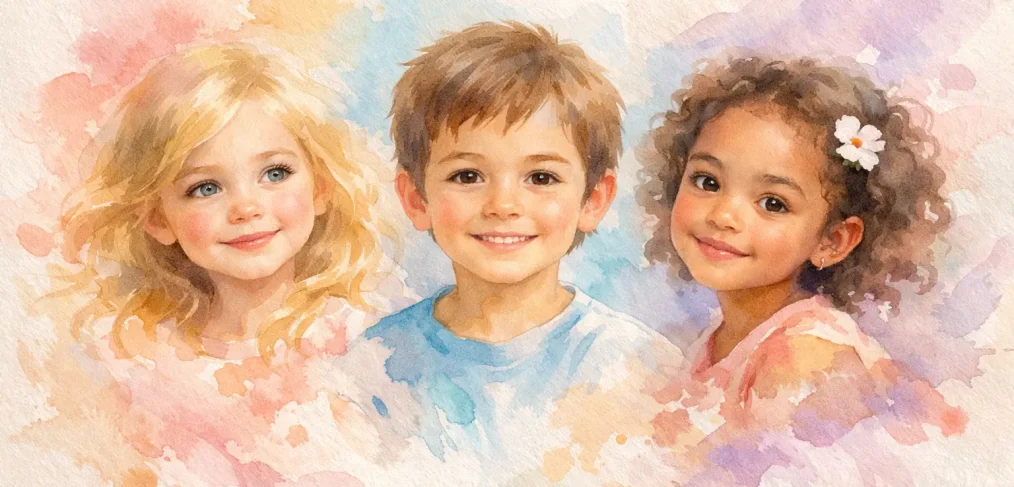
Your child does not need a heavy makeover, a complicated wardrobe, or a pageant-style smile to get a strong modeling headshot. In most cases, the best children modeling headshots guide starts with something simpler – clean light, honest expression, and images that look like your child on their very best day.

That is where many parents get stuck. They want photos that feel polished enough for agencies, but they also do not want the images to look forced, trendy, or overedited. A good child headshot should feel fresh and believable. It should show casting professionals what your child actually looks like, how they photograph, and whether they have a natural presence in front of the camera.

What children’s modeling headshots are really meant to do

A modeling headshot is not the same as a school portrait or a formal family session. It has a very specific job. It introduces your child clearly and quickly.

Agents and casting teams are often scanning many submissions in a short amount of time. They are not looking for elaborate props or dramatic styling. They want to see the child’s features, age range, skin tone, hair, smile, eyes, and expression without distraction. That is why the strongest headshots usually feel simple, modern, and lightly styled.

For children, this matters even more. Kids change fast. A headshot should reflect how they look right now, not how a parent wishes they looked or how a filter makes them look. If the image is too retouched, too posed, or too mature, it can work against you.

Children modeling headshots guide: what agencies usually want

While every agency has its own submission preferences, most are looking for a few consistent qualities. First, the image should be current. If your child recently lost teeth, got braces, changed hair length, or had a notable growth spurt, older images may no longer be accurate.

Second, the photo should be natural. Clean skin retouching is fine when it preserves texture and reality, but children should not look airbrushed. Freckles, baby hairs, and natural facial detail are part of what makes a child recognizable and bookable.

Third, the headshot should feel age-appropriate. This is one of the biggest missteps in children’s modeling photography. Overly glamorous hair, bold makeup, stiff posing, or clothing that reads too grown-up can make a child look less marketable, not more.

Agencies also tend to appreciate variety, but that does not mean chaos. A strong set often includes a smiling image and a more relaxed, neutral expression. Both can be useful because they show range while still feeling true to the child.

What your child should wear

Wardrobe is where simple almost always wins. Choose solid colors or very subtle patterns that do not compete with the face. Cream, soft blue, muted green, blush, navy, or other flattering tones often photograph beautifully, though the best choice depends on your child’s coloring.

Avoid large logos, busy prints, glitter, sequins, cartoon graphics, and anything that feels costume-like. These details can date the image and pull attention away from the eyes. Clothing should fit well and feel comfortable. If a child keeps tugging at a neckline or complaining about sleeves, it will show.

Necklines matter more than many parents expect. A clean crew neck, simple collar, or classic dress silhouette usually frames the face well. The goal is not to create a fashion statement. The goal is to support the portrait.

Hair, skin, and styling should look like real life at its best

Children’s headshots should feel refined, not manufactured. Hair should be neat, touchable, and familiar to how your child normally looks. If they usually wear soft curls, let them have soft curls. If they have a sleek bob, keep it polished and simple. Extreme styling can make the image feel less credible.

Makeup, if any, should be minimal enough that it disappears on camera. For younger children, this often means none at all beyond basic skincare and maybe lip balm. For older kids or teens, a very light hand can help even tone or reduce shine, but it should never change their features.

The same goes for editing. A premium portrait experience should absolutely deliver polished files, but polish is different from transformation. Fine-art quality and agency-friendly realism can live together when the editing is subtle and intentional.

Expression matters more than a perfect pose

Parents often worry about whether their child knows how to pose. For modeling headshots, expression usually matters more.

A strong child headshot captures connection. That might be a bright smile, a soft curious look, or a calm, confident expression. The exact mood depends on the child’s age and personality. Some children light up instantly. Others photograph best in quieter moments between smiles. Both can work beautifully.

This is one reason experience behind the camera matters. Photographing children is not only about technical skill. It is also about reading energy, creating ease, and knowing when to guide and when to step back. The best images often happen when a child feels seen rather than managed.

Should you choose studio or outdoor headshots?

It depends on the look you want and the agency standards you are aiming to meet. Studio headshots offer consistency. Clean backgrounds, controlled lighting, and minimal distraction put full attention on the child’s face. This can be especially useful for agency submissions because the result feels crisp and professional.

Outdoor portraits can also work well, especially when the light is soft and the setting is simple. The risk is that location can start to compete with the subject. Busy parks, harsh sun, and strong background colors can make the image feel more like a lifestyle portrait than a modeling headshot.

For many families, the best option is a session that keeps the focus clean and editorial, whether indoors or outdoors. What matters most is clarity and quality, not the trend of the moment.

How to prepare your child for the session

Preparation should feel calm. Children photograph best when the adults around them are not turning the session into a performance test.

Make sure your child is rested, fed, and dressed before the session begins. Bring water, a small non-messy snack, and one backup outfit if needed. If your child is old enough to understand, explain that the goal is simply to have their picture taken and have a little fun. Avoid coaching them into exaggerated smiles or repeating instructions all morning.

It also helps to schedule thoughtfully. Some children are lively and engaged in the morning. Others are at their best later in the day. A photographer who regularly works with children can help you choose a time that supports your child’s temperament rather than fighting it.

Common mistakes parents make

The first is choosing images that they love emotionally but that do not function well professionally. A beautiful laugh with hair covering half the face may be precious to you, but it may not be the strongest submission image.

The second is overstyling. Parents understandably want the photos to look special, but for child modeling, special usually comes from clean execution rather than extra embellishment.

The third is waiting too long to update photos. Children can outgrow their headshots quickly. If the photos no longer look like your child today, replacing them is usually worth it.

Another common issue is using a gallery without a clear standout image. More is not always better. A few strong, consistent images will usually serve you better than a large set with mixed styling and uneven quality.

How to know a headshot is working

A good headshot feels immediate. You look at it and understand the child right away.

The eyes are clear. The skin looks natural. The wardrobe is quiet. The expression feels believable. Nothing is begging for attention except the child themselves.

That is the standard parents should be aiming for. Not a photo that looks expensive for the sake of looking expensive, but one that feels elevated, current, and true. That balance is what gives a child headshot staying power.

For families who value a more refined portrait experience, this is where artistry makes a difference. A modern, minimal approach can still feel warm and beautiful. In fact, that restraint is often what makes the final image timeless.

If you are investing in headshots for your child, choose the kind of photography that respects both the industry need and the personal significance of the moment. Childhood changes quickly, and the right portrait does more than help with submissions. It preserves a fleeting season with honesty and care.

The best headshot is rarely the most complicated one. It is the one that lets your child be unmistakably themselves, with just enough polish to make people stop and look.

A Guide to Children Talent Headshots

A Guide to Children Talent Headshots

Your child gets an audition request, and suddenly one simple photo starts to feel very high stakes. That is exactly why a thoughtful guide to children talent headshots matters. The right image should look polished without feeling overdone, natural without looking casual, and expressive without turning into a costume of confidence.

For parents, the goal is not to make a child look older, trendier, or more dramatic than they are. It is to create a headshot that feels honest, current, and professionally finished. Casting teams want to see the child they may actually meet in the room, not a heavily styled version that disappears the moment the audition begins.

What children talent headshots are really meant to do

A children’s talent headshot is not the same as a school portrait, a pageant image, or a milestone session. It has a very specific job. It needs to introduce your child quickly and clearly, with enough personality to make someone pause and look a little longer.

That means the best headshots usually feel simple. Clean lighting, natural expression, and age-appropriate styling tend to do far more than elaborate wardrobe choices or dramatic retouching. In most cases, the photo should feel current and believable. If your child has freckles, curls, a gap-tooth smile, or a soft, serious expression, those details can be part of what makes them memorable.

This is where many parents get stuck. They assume a talent headshot needs to be flashy to stand out. Usually, the opposite is true. A refined image with genuine expression is often far more effective than one trying too hard.

A practical guide to children talent headshots for parents

The strongest headshots begin well before the camera comes out. Preparation shapes the result more than parents expect, especially with children. If the child feels rushed, overly directed, or dressed like someone else, it usually shows.

Choose a look that still feels like your child

Wardrobe should support the face, not compete with it. Solid colors usually photograph best because they keep the attention where it belongs. Soft blues, cream, muted pinks, earthy greens, and classic neutrals are often flattering, though the right choice depends on skin tone, hair color, and the overall mood of the session.

Avoid logos, loud prints, sequins, and clothing with distracting textures unless there is a very specific reason to include them. The point is not to strip away personality. The point is to keep the image timeless and readable.

For younger children, simple tops with clean necklines tend to work beautifully. For older kids and teens, a slightly more polished option can make sense, but it should still feel natural. If a child never wears a blazer and feels stiff in one, forcing it for the headshot is usually not worth it.

Keep hair and grooming polished but believable

Hair should look neat, healthy, and familiar. If your child normally wears their curls natural, that is often the best choice. If they usually have a clean side part or a tidy ponytail, keep that. Headshots should reflect a current version of the child, not a one-time styling experiment.

The same goes for makeup. For children, less is almost always better. If a teen wears very light, natural makeup daily, that can be appropriate. Heavy contour, dramatic lashes, or strong lip color can age a child unnecessarily and may make the image feel less credible.

Skin retouching should also stay minimal. A temporary scratch or blemish can be softened, but the overall texture and character of the face should remain intact. Parents investing in professional portraits often appreciate polish, but with talent headshots, authenticity carries real weight.

Expression matters more than perfect posing

Parents often worry about posture, hand placement, or whether their child knows how to smile on command. Those concerns are understandable, but expression usually matters far more than technical posing.

Casting directors are often reading the eyes first. They want openness, spark, warmth, curiosity, or quiet confidence, depending on the child’s age and look. A technically perfect smile with no life behind it rarely does much. A more relaxed expression with genuine connection can be far stronger.

A good photographer knows how to draw this out without making a child perform. Some kids are naturally outgoing. Others need a gentler pace and a little more space. That is not a problem. In fact, subtle expressions often create some of the most compelling headshots.

Why comfort changes the final image

Children photograph best when they feel safe and understood. That does not mean turning the session into total chaos, but it does mean creating room for personality. A child who is constantly corrected will often shut down. A child who is gently guided tends to stay expressive.

This is one reason experience matters. Photographing children for talent work requires a different rhythm than photographing adults. The photographer needs to balance professionalism with warmth, and direction with flexibility. When that balance is right, the result feels effortless even though it was carefully shaped.

Background, lighting, and styling choices that work

Talent headshots do not need elaborate sets. In fact, overly styled backgrounds can distract from the child. Simple, clean backdrops are often the strongest choice because they keep the focus on expression and features.

Lighting should be flattering and modern. Harsh shadows can feel too dramatic for most children’s headshots, while flat lighting can leave the portrait feeling lifeless. The best approach usually creates softness with enough dimension to define the face beautifully.

This is where a fine-art-inspired approach can be especially effective. A polished, minimal image feels elevated without losing clarity. It gives the headshot a professional finish while still keeping the child recognizable and approachable.

How often children talent headshots should be updated

Children change quickly. A headshot that looked accurate six months ago may already feel outdated, especially during periods of fast growth. Missing teeth, a new haircut, changing face shape, or simply looking more mature can all shift how current the image feels.

As a general rule, update children’s talent headshots at least once a year, and sooner if your child’s appearance changes noticeably. If they are actively auditioning, staying current matters even more. An outdated headshot can create confusion and disappointment before the audition even begins.

This is not about chasing perfection or booking endless sessions. It is about making sure the photo still matches the child walking into the room.

Common mistakes parents make

One of the biggest mistakes is choosing a favorite portrait instead of the most effective headshot. A beautiful image is not automatically the right one for talent submissions. If the styling is too formal, the crop is too wide, or the expression feels posed rather than real, it may not serve the purpose.

Another common misstep is overediting. Brightening eyes too much, smoothing skin heavily, or altering features can make the image feel artificial. That might work in some commercial photography settings, but for talent headshots it usually creates distance instead of connection.

There is also the question of personality. Some parents want a very smiley image because their child is cheerful. Others prefer a serious expression because it feels more sophisticated. Both can work. It depends on the child. The stronger choice is the one that feels honest and versatile, not the one chasing a trend.

Choosing the right photographer for children talent headshots

If you are investing in professional headshots, look for someone who understands both portrait quality and child direction. Beautiful work alone is not enough. The photographer should know how to create images that feel polished, current, and useful for talent representation.

Ask yourself whether the portfolio shows real variety in expression, whether the children look comfortable, and whether the styling feels age-appropriate. A refined aesthetic matters, but so does restraint. Children should still look like children.

For families who value a boutique experience, this is also about trust. You want a photographer who can guide wardrobe, simplify decisions, and create a calm environment where your child can show up naturally. That level of care often makes the difference between a decent headshot and one that feels truly compelling.

In a market like San Antonio, where families have access to many photography options, choosing someone with a polished eye and an intuitive approach to children can save a great deal of second-guessing later.

What to expect after the session

Once the gallery is ready, narrowing down the final image can be harder than parents expect. It helps to look beyond your personal favorite and ask a more practical question: which image feels most like my child on their best day?

That usually means clear eye contact, relaxed confidence, and styling that will still feel appropriate a few months from now. A slightly less smiley image may be stronger if it shows depth. A simpler frame may be better if it keeps the attention on the child’s expression.

If you are working with a photographer who understands this genre well, trust their guidance. They can often spot the image that will read best to industry professionals, even if it is not the one that first catches a parent emotionally.

The best children’s talent headshot is not trying to turn your child into someone else. It gives casting teams a clear, beautiful introduction to who they already are, and that kind of honesty has a way of lasting longer than any trend.