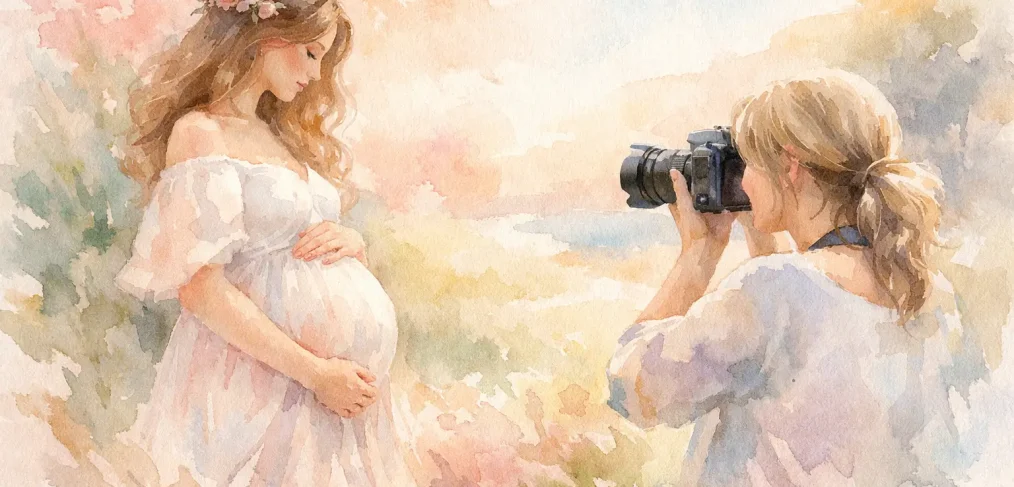
How to Choose Maternity Photographer Well

How to Choose Maternity Photographer Well

Pregnancy moves quickly. One week you are thinking you still have plenty of time, and the next you are realizing your body, your schedule, and your energy are changing by the day. If you are wondering how to choose maternity photographer in a way that feels thoughtful rather than rushed, the best place to start is not with price alone. It is with the kind of experience and images you want to remember.

A maternity session is not just another photo appointment. It is a portrait of a season that feels deeply personal, physical, emotional, and fleeting. The right photographer will know how to make you look beautiful, of course, but also how to help you feel cared for, confident, and seen.

How to choose maternity photographer for your style

Before you compare packages or ask about availability, look closely at the photographer’s work. Not just the best image on the homepage, but full galleries if they are available, social posts across different clients, and the consistency of the editing. You are looking for a visual point of view.

Some maternity photographers create soft, airy portraits with a romantic mood. Others lean dramatic and editorial. Some focus on minimalist studio work with clean lines and refined posing, while others build their sessions around outdoor landscapes and flowing movement. None of these approaches is automatically better. What matters is whether the work feels like you, or at least like the version of yourself you want reflected in this chapter.

This is where many people get stuck. They choose a photographer because one image went viral, or because a friend had a good experience, but the overall portfolio does not match what they personally want. A strong portfolio should feel cohesive. If one gallery looks bright and natural, another looks moody and dark, and a third feels heavily retouched, that can be a sign the style is still shifting.

Timeless maternity portraits usually come from photographers who know exactly what they are creating. If you love clean, polished, fine-art-inspired imagery, choose someone who does that exceptionally well instead of someone who appears to offer every trend at once.

Experience matters more than most people expect

Maternity photography has its own rhythm. Posing a pregnant client is different from posing a standard portrait session. It requires an understanding of flattering angles, hand placement, dress movement, body awareness, and comfort.

A photographer who regularly works with expecting mothers will know how to highlight the baby bump beautifully without making every pose look repetitive. They will also know how to adjust for different body types, stages of pregnancy, and energy levels. That expertise shows up in small choices, from how they turn your shoulders to how they guide your expression.

There is also a practical side. Pregnancy can bring swelling, back discomfort, heat sensitivity, or limited mobility, especially later in the third trimester. An experienced maternity photographer plans around those realities. Sessions tend to feel calmer, better paced, and more intentional when the photographer understands what your body may need.

If you are deciding between two artists whose work you like equally, ask yourself who seems more specialized. General portrait experience is valuable, but maternity-specific experience often makes the difference between pretty photos and portraits that feel effortless and elevated.

Look for comfort, not just talent

Beautiful work is essential. Feeling at ease is essential too.

Most expecting mothers are not professional models, and many do not feel naturally comfortable in front of a camera. That is completely normal. The photographer you choose should know how to guide you without making you feel stiff or overly directed. You want someone who can give clear direction, while still leaving room for natural expression and genuine emotion.

Pay attention to how the photographer speaks to clients online. Do their words feel warm, reassuring, and confident? Do they explain the process clearly? Do they seem invested in the client experience, not just the final gallery? Those details matter because they usually carry into the session itself.

A luxury experience does not have to feel formal or intimidating. It should feel polished, organized, and personal. When a photographer communicates well, answers questions thoroughly, and sets expectations early, you are more likely to walk into your session feeling relaxed.

If you are camera shy, it is worth asking how they direct posing and whether they help with wardrobe styling. Support in those areas can completely change the way you feel during your session.

Pricing should be clear and aligned with value

It is reasonable to consider budget. It is also wise to understand what you are actually comparing.

Maternity photography pricing can vary widely, and not only because of image count. Some photographers include access to a client closet, professional studio use, wardrobe guidance, artwork design, or more retouching time. Others offer a lower session fee but charge separately for digital files, prints, or upgrades later. Neither model is wrong, but the structure should be transparent.

When reviewing pricing, ask what is included, how many final images you can expect, whether outfits or studio access are available, and what happens if you need to reschedule. A lower starting number can sound appealing until you realize the experience is very limited or the final collection costs significantly more than expected.

This is one area where personal priorities matter. If you want a simple session with a few digital images, your ideal fit may be different from someone who wants a highly styled, full-service portrait experience with heirloom-quality artwork. The right investment depends on what you want to walk away with.

Timing can affect your options

Most maternity sessions are photographed between 28 and 34 weeks, when the baby bump is beautifully visible but many mothers still feel relatively comfortable. That window can shift based on your body, your pregnancy, and whether you are carrying multiples, but it is a useful general guideline.

Choosing your photographer early gives you better access to preferred dates, especially if you want a specific season, studio availability, or weekend appointment. It also gives you time to plan wardrobe, coordinate family participation if needed, and avoid last-minute stress.

Waiting too long does not always mean you have missed your chance, but it can narrow your options. If there is a photographer whose work you truly love, reaching out during the second trimester is often a smart move.

Ask what the experience actually includes

The best maternity sessions are thoughtfully designed from start to finish. That means the experience around the photos matters almost as much as the photos themselves.

Ask how the process works. Will the photographer help you select wardrobe? Is hair and makeup available or recommended? Will your partner or children be included? Is the session held in a studio, outdoors, or either? How long does the session last, and when will the gallery be delivered?

These questions are not about being high maintenance. They help you understand whether the photographer has built a refined client experience or whether you will be left figuring out the details on your own.

For many women, a guided experience is worth a great deal. Pregnancy is already a season full of decisions. Working with someone who can simplify styling, location, and posing can make the entire process feel lighter and more enjoyable.

In a market like San Antonio, where there are many photographers with very different aesthetics and service levels, clarity matters. A strong brand presence should be backed by a clear process, not just beautiful marketing.

Reviews can reveal what portfolios do not

A portfolio shows you the finished result. Reviews often show you how it felt to get there.

Look beyond star ratings and pay attention to patterns in the feedback. Do clients mention feeling comfortable, beautiful, and well guided? Do they describe the photographer as patient, organized, and professional? Do they mention the images were consistent with what they saw online?

This is where you often learn whether someone is simply talented or truly excellent to work with. If multiple clients talk about feeling rushed, confused about pricing, or disappointed by communication, take that seriously. On the other hand, repeated praise for warmth, direction, and a polished final product is a strong sign.

Trust your instinct after the practical questions are answered

Once style, experience, pricing, and process all make sense, there is still one more factor – fit. The right photographer should feel aligned with the kind of memory you want to create.

Maternity portraits are intimate in their own way. They ask you to be present in a body that is changing, in a season that can feel both powerful and vulnerable. The photographer you choose should honor that. You should feel that they are not just documenting a bump, but helping you celebrate motherhood with beauty and intention.

If one photographer’s work keeps drawing you back, if their approach feels elevated and reassuring, and if their process makes you feel cared for, pay attention to that. Good decisions are not made on emotion alone, but they should still feel right.

The best maternity photographs do more than flatter. They let you return to this season years from now and remember not just how you looked, but how deeply this moment mattered.

Maternity Photography That Feels Timeless

Maternity Photography That Feels Timeless

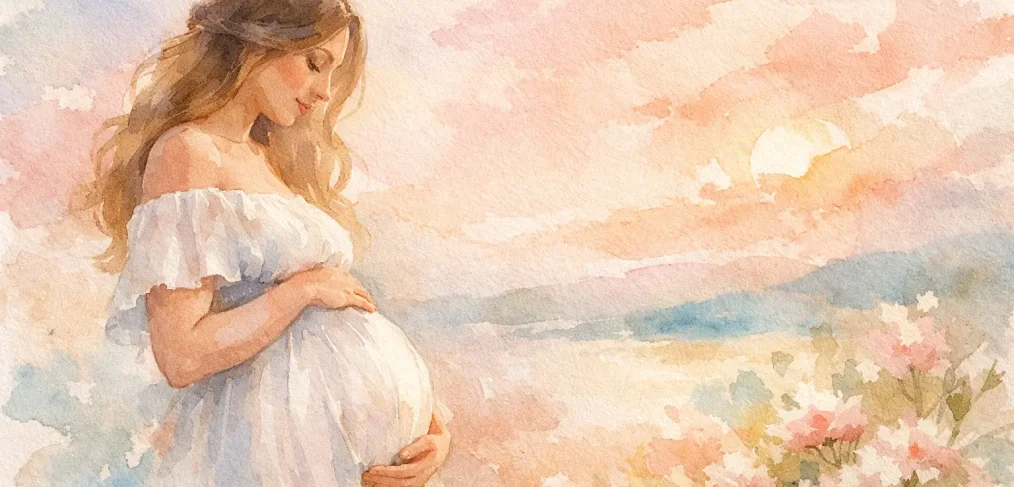
There is a brief window in pregnancy when everything begins to feel real in a new way. Your body is changing, your routines are shifting, and the anticipation is no longer abstract. Maternity photography gives that season a place to live outside your memory, not as a rushed snapshot, but as a refined record of what it felt like to carry a life and stand on the edge of motherhood.

The best maternity portraits do more than show a baby bump. They reflect strength, softness, beauty, and the quiet confidence that often arrives during pregnancy. That is why this kind of session deserves thoughtful planning. When done well, the result is not trendy content for a feed. It is artwork you will still want to see framed years from now.

Why maternity photography matters

Pregnancy can feel long when you are in it and surprisingly brief once it is over. Many mothers remember details in fragments – a favorite dress, the first strong kicks, the way their older child rested a hand on their belly, the mix of excitement and nerves before everything changed. Portraits preserve those details with more clarity than memory alone.

There is also something deeply affirming about being photographed well during pregnancy. Many women spend these months adjusting to a body that no longer feels fully familiar. A carefully styled session can shift that experience. Instead of focusing on discomfort, you see grace, presence, and connection. You see yourself as your family sees you.

For families, maternity photography becomes part of a larger visual story. It marks the chapter before new routines, first holidays, sleepless nights, and all the growth that follows. It belongs alongside family portraits and milestone images because it captures the threshold – the moment before life expands.

When to schedule maternity photography

Timing matters more than most people expect. In general, the sweetest window for maternity photography is between 28 and 34 weeks. At that stage, the belly is beautifully defined, but many mothers are still comfortable enough to move, pose, and enjoy the session without feeling rushed or exhausted.

That said, it depends on your pregnancy. If you are expecting multiples, have a high-risk pregnancy, or tend to show earlier, it often makes sense to photograph a bit sooner. If this is not your first pregnancy and your body is carrying differently, your ideal timing may also shift. The right photographer will help you choose a date based on how you feel, not just a standard timeline.

Booking early gives you more room to plan wardrobe, styling, and location with intention. It also means the session feels like something to look forward to, not one more task to squeeze in before delivery.

What makes maternity photography look elevated

A polished maternity session rarely comes down to one dramatic element. It is usually the combination of simple, thoughtful choices. Light, wardrobe, posing, and editing all work together. When those pieces are aligned, the images feel effortless even though they are carefully crafted.

Wardrobe sets the tone immediately. Flowing gowns, fitted silhouettes, off-shoulder pieces, and clean fabrics often photograph beautifully because they honor the shape of pregnancy without overwhelming it. Neutral tones and rich solids tend to age well, while overly busy prints can pull attention away from the emotion in the frame. The goal is not to wear something loud enough to impress. The goal is to wear something that flatters and feels like an elevated version of you.

Styling matters too. Professional hair and makeup can make a visible difference, not because you need to look different, but because camera-ready polish helps you feel settled and confident. Fine-art-inspired maternity photography often leans into soft texture, intentional draping, and clean composition. That refined look does not happen by accident.

Posing is another place where expertise shows. Pregnancy portraits should feel graceful, never stiff. Small adjustments in hand placement, posture, chin angle, and body direction can transform a photo from ordinary to striking. A strong maternity photographer knows how to guide without over-directing, so your images still feel natural.

Studio or outdoor maternity photography?

Both can be beautiful. The right choice depends on the look you want and the experience you prefer.

Studio maternity photography feels controlled, minimal, and artful. The lighting is consistent, the environment is calm, and the focus stays exactly where it belongs – on you and the emotion of the session. For mothers drawn to timeless portraits with a clean, editorial quality, the studio often feels like the right fit.

Outdoor sessions offer movement, natural scenery, and a softer sense of atmosphere. Golden light can be stunning, especially when paired with a flowing gown or a more relaxed family-centered session. But outdoor photography also comes with variables. Weather, heat, wind, and uneven light can all affect the experience. In a place like San Antonio, that is worth considering, especially during warmer months.

There is no universal winner here. If you love a modern, polished aesthetic, the studio may serve your vision better. If you want open space and a more organic backdrop, outdoors may be the better choice. What matters most is choosing a setting that supports the mood you want your portraits to carry.

Including your partner or children

Maternity photography does not have to be a solo experience, although it can be. Some of the most meaningful images from these sessions include the people already surrounding this baby with love.

A partner can bring balance and intimacy to the gallery. Those frames often feel grounded and tender without needing much posing. A hand at your waist, a forehead against yours, a glance toward the belly – simple gestures usually say enough.

If you already have children, including them can add warmth and personality. It also helps tell the full story of your growing family. The key is keeping expectations realistic. Young children rarely need long, complicated direction. The strongest images usually come from brief, genuine interactions rather than trying to force perfect stillness.

A well-planned session can include both solo portraits and family images without feeling chaotic. That balance gives you variety while still preserving the quiet elegance many mothers want from maternity photography.

How to prepare for a maternity photography session

Preparation changes the tone of the entire experience. When details are handled in advance, you can show up ready to be present instead of worrying about what to wear or whether everything will come together.

Start with wardrobe early. Try on options well before the session and think about fit, comfort, and movement. If family members are joining, coordinate rather than match. Soft, complementary colors almost always photograph more beautifully than identical outfits.

Rest matters too. Pregnancy can make even a short session feel physically demanding, especially later in the third trimester. If possible, avoid stacking your day with too many commitments beforehand. Arriving calm and unrushed shows in your expressions and posture.

It also helps to communicate clearly with your photographer. Share any insecurities, preferred angles, must-have images, or details about your pregnancy that may affect posing. The more your photographer understands your vision and comfort level, the more tailored the session can be.

If you are investing in professional portraits, choose someone whose portfolio already reflects the style you want. Editing can change color tones and polish, but it cannot manufacture taste, posing skill, or emotional sensitivity after the fact.

Choosing a maternity photographer

Not every portrait photographer approaches pregnancy with the same level of care or artistic intention. Maternity photography is its own specialty because it asks for a particular balance of technical skill and emotional awareness.

Look for consistency in a portfolio. You should see flattering posing, cohesive styling, and a clear visual point of view. If one image feels beautiful but the next five feel unrelated, that inconsistency may show up in your own gallery.

Experience matters, but so does communication. You want a photographer who can guide you confidently, answer practical questions, and create an environment where you feel taken care of. Luxury is not just about the final image. It is also about how the process feels from booking to delivery.

For many families, these portraits become heirlooms. That is why quality should lead the decision, not price alone. A lower session fee can be tempting, but if the images do not feel polished, personal, and lasting, the savings rarely feel worthwhile later.

At its best, maternity photography is not about performing pregnancy for the camera. It is about honoring this version of yourself with beauty and intention. Years from now, when the season feels impossibly distant, these portraits bring you back to it – not just how you looked, but how much love was already there before your baby ever arrived.

If you have been thinking about booking a session, trust that this chapter is worth preserving while you are still living it.

Your Guide to Personal Branding Photos

Your Guide to Personal Branding Photos

A strong brand photo is not just a nicer headshot. It is the image that makes someone stop on your website, trust your business a little faster, and feel like they already understand your style before you say a word. If you have been searching for a guide to personal branding photos, the real goal is not simply to look polished. It is to create images that feel aligned, elevated, and unmistakably yours.

For many women building a business, especially service-based brands, personal branding photos sit at the center of how clients experience you. They shape first impressions on your homepage, social media, email signature, speaking materials, and press features. Done well, they can make your brand feel cohesive and credible. Done without intention, they can feel generic, disconnected, or dated within months.

What personal branding photos should actually do

Personal branding photos should tell a clear visual story about your business. They are not only there to show your face. They should communicate your energy, your level of professionalism, and the kind of experience clients can expect when they work with you.

That means the best images go beyond one smiling portrait against a plain wall. You may need a clean headshot, but you also may need lifestyle images of you working, detail shots that support your offers, and portraits that show different sides of your brand. A creative educator needs something different from a realtor. A motherhood photographer needs something different from a corporate consultant. The right gallery depends on how and where you show up.

This is where many people get stuck. They plan a photo session around what looks good instead of what serves the brand. Those are not always the same thing.

A practical guide to personal branding photos

The easiest way to plan a successful branding session is to start before outfits, before props, and even before location. Begin with the brand itself.

Define the feeling first

Ask yourself what you want people to feel when they see your images. Calm and capable? Warm and approachable? Editorial and high-end? Creative and energetic? Your answers shape every visual choice that follows.

If your brand is refined and minimal, a bright cluttered coffee shop may fight against that message. If your work is playful and colorful, an all-white formal studio may feel too restrained. Beautiful photos are not enough. The setting, wardrobe, and styling need to support the emotional tone of the brand.

A helpful way to clarify this is to choose three brand words. For example: polished, warm, modern. Or elegant, confident, approachable. Those words become your filter while planning the session.

Think in image categories, not random poses

The most useful branding galleries include a mix of images that serve different purposes. You will likely want a true headshot, several mid-length portraits, wider environmental images, and details that help tell the story of your work.

You may also want photos of you interacting with tools of your business, using a laptop, reviewing notes, packaging products, working with a camera, or simply moving through a beautiful space. The point is not to pretend to be busy. The point is to create visual variety that feels natural and supports the way your business operates.

A gallery with only one background and one expression gets limiting quickly. A thoughtful session gives you content for months.

How to plan outfits for branding photos

Wardrobe can elevate a session immediately, or quietly weaken it. The strongest outfit choices are usually simple, flattering, and consistent with your brand colors and level of formality.

Start with pieces that fit beautifully and make you feel composed. A tailored blazer, a structured dress, a soft monochrome set, or elevated basics often photograph better than trend-heavy clothing. Texture can add interest, but too much pattern can become distracting, especially if the images will be used in smaller formats online.

It is also wise to think in levels. One look can feel formal and polished. Another can feel more relaxed and personable. That range gives you flexibility across platforms. You do not need an entirely new wardrobe for this. You need a curated one.

If your brand leans feminine and fine art inspired, soft neutrals, clean lines, and graceful silhouettes tend to photograph timelessly. Accessories should support the look, not compete with it.

Hair, makeup, and grooming matter more than people expect

Professional hair and makeup are often worth it for branding sessions because they create consistency on camera. The goal is not heavy glamour. It is polished definition that holds up under lighting and still looks like you.

Even for a minimal look, a little extra attention helps. Camera-ready makeup brings back dimension that lighting can soften. Grooming details like fresh nails, neat brows, and wrinkle-free clothing also affect the final result more than many clients realize.

Choosing the right location

Location should feel like an extension of your brand. That may be a studio, an office, an outdoor architectural setting, or a carefully chosen interior with clean lines and natural light. There is no single best option. It depends on the kind of work you do and the story you want to tell.

A studio offers control, simplicity, and a refined backdrop. It works beautifully for brands that want a minimal, elevated feel. A lived-in business space can add personality and context. Outdoor locations can feel fresh and natural, but they also bring variables like weather, harsh light, and visual distractions.

For many personal brands, a combination works best. Start with polished portraits in a clean setting, then add lifestyle images in a second space. That balance gives you both timeless assets and more relaxed content.

In San Antonio, light and location timing matter, especially if you want outdoor imagery that still feels sophisticated rather than overly bright. This is where working with a photographer who understands both portraiture and brand presentation makes a real difference.

Posing for personal branding photos without looking stiff

Most people worry about posing, but stiffness usually comes from uncertainty, not from being unphotogenic. Good direction changes everything.

The best branding portraits rarely feel overly posed. They feel intentional, relaxed, and aware. Small adjustments in posture, hand placement, chin angle, and movement can create images that look confident without feeling forced.

This is also why shot variety matters. Looking directly at the camera can feel strong and engaging. Looking away can feel thoughtful. Walking, working, or interacting with an object adds movement and makes the gallery more dynamic.

If you are nervous, tell your photographer. A strong branding session should guide you through the process rather than expecting you to perform.

Don’t forget where the photos will be used

One of the smartest ways to approach a branding session is to plan around actual usage. Think about your website banners, social profile images, newsletter graphics, launch materials, and printed pieces. A horizontal image may work beautifully for a homepage header but not for a profile thumbnail. A close crop may be ideal for press features, while a wider image may suit marketing materials.

When you plan with placement in mind, the session becomes far more strategic. You stop collecting pretty portraits and start building a brand library.

This also helps with expression and styling. Not every photo needs to be serious and formal. Not every photo should be casual. The mix should reflect the many places your business shows up.

When to update your branding photos

Branding photos do not need to be replaced constantly, but they should evolve when your business does. A rebrand, new offer, major audience shift, or visible change in your appearance are all valid reasons to update your gallery.

Sometimes the issue is less dramatic. Your current photos may simply no longer match the quality of your website or the level of clients you want to attract. If your business has grown, your visuals should grow with it.

A timeless session helps your images last longer, which is one reason many business owners prefer clean styling over fast-moving trends.

The biggest mistake to avoid

The biggest mistake is treating branding photos like a checkbox. If you book the session without clarity, rush the wardrobe, and choose a location because it is convenient rather than aligned, the images may still be nice, but they will not work as hard for your business.

Strong personal branding photos are a blend of strategy and beauty. They need to feel elevated, but also useful. Personal, but still polished. Aspirational, but still believable.

That balance is where the magic is.

If you are planning your own session, give yourself permission to be thoughtful about it. The right images do more than fill space on a website. They let your brand be seen with the same care you bring to the work itself.

Why Fine Art Family Portraits Last

Why Fine Art Family Portraits Last

A child leans into your shoulder for half a second, then wiggles away. A toddler decides shoes are unacceptable. Someone laughs at the wrong moment, and somehow that is the frame you love most. Fine art family portraits are designed to hold onto that kind of truth, but with more intention, more polish, and a sense of permanence that feels worthy of the season you are living.

For many families, portraits are not just about proving everyone was present and smiling at the same time. They are about preserving how this chapter felt. The softness of a growing family, the confidence of motherhood, the tenderness between siblings, the way your children look at you before they are old enough to hide it. A fine art approach gives those moments shape and beauty without stripping away what makes them real.

What makes fine art family portraits different

The difference is not just editing or wardrobe. It begins with vision. Fine art family portraits are created with intention from the first conversation to the final artwork. Light, composition, styling, color palette, posing, and expression are all considered together so the finished image feels elevated rather than accidental.

That does not mean the session feels stiff. In fact, the best fine art portraits often leave room for natural connection. The artistry comes from knowing when to guide and when to pause. A well-crafted image can feel serene and organic at the same time.

This style also tends to favor simplicity over distraction. Clean backgrounds, refined tones, and carefully chosen clothing allow the people in the frame to remain the focus. Years from now, that restraint matters. Trends change quickly. A portrait built around light, emotion, and classic design keeps its relevance much longer.

Why families choose a fine art approach

Most parents are surrounded by quick photos. Phones are full of snapshots, school folders collect yearly pictures, and social media offers an endless stream of images that appear and disappear just as fast. What is often missing is a portrait that feels complete.

A fine art session fills that gap. It gives your family a chance to be seen with care. Instead of capturing a random moment, it creates a lasting one. That distinction is especially meaningful during seasons that pass quickly, like pregnancy, early motherhood, and the childhood years when everything changes in a matter of months.

There is also an emotional reason families gravitate toward this style. Fine art portraiture honors people. It says this bond matters, this chapter matters, this family deserves to be remembered beautifully. That kind of imagery belongs in more than a phone gallery. It belongs framed, printed, and revisited.

The role of styling in fine art family portraits

Styling carries more weight than many people expect. Clothing can either support the portrait or compete with it. In fine art family portraits, wardrobe is usually chosen for harmony rather than variety. Soft neutrals, muted tones, gentle texture, and flattering silhouettes photograph beautifully because they keep the eye on expression and connection.

This does not mean every family should wear beige and call it a day. The best styling reflects both the artistic direction of the session and the personality of the people being photographed. A mother may want something graceful and flowing. A child may need an outfit that looks polished but still allows movement. A family with older children may prefer a more structured, modern look. It depends on the story you want the portraits to tell.

The same principle applies to hair, makeup, and accessories. A refined finish photographs well, but overstyling can feel disconnected if it does not match the family. The goal is not perfection for its own sake. The goal is cohesion.

Fine art does not mean formal in the old-fashioned sense

One common misconception is that fine art portraiture always feels rigid. In reality, it can be incredibly warm. The structure simply supports the emotion.

A beautifully posed portrait of a mother with her children can look classic and tender, but that does not prevent playful images from happening too. Some of the strongest galleries include both. You may want one frame where everyone is composed and looking toward the camera, and another where your child is laughing into your dress or reaching for your hand.

That balance is where experience matters. A photographer working in a fine art style knows how to guide a family into flattering compositions while still making space for genuine interaction. The result is a gallery that feels thoughtful, not forced.

Light, color, and mood matter more than people realize

When a portrait feels timeless, it is often because the light was handled well. Soft directional light creates dimension, flatters skin, and adds quiet drama without feeling heavy. It can turn a simple pose into something memorable.

Color matters just as much. Fine art imagery usually leans into a controlled palette so the full gallery feels cohesive. Cream, ivory, taupe, soft blue, blush, olive, and warm earth tones tend to age beautifully. Bright neon colors or loud patterns can be fun in everyday life, but they rarely create the same enduring quality in portraiture.

Mood is the final layer. Some families want their portraits to feel airy and romantic. Others prefer a moodier, more editorial finish. Neither is wrong. What matters is consistency. When the visual choices align, the portraits feel intentional rather than pieced together.

When fine art family portraits are especially worth it

There are certain seasons when this style feels particularly meaningful. Family growth is one of them. If you are welcoming another baby, adjusting to life with little ones, or watching siblings grow into new dynamics, portraits can preserve a version of your family that will not stay the same for long.

Milestone years are another natural fit. The first birthday, the year before kindergarten, a graduation, an anniversary, or a season when motherhood itself feels worth honoring – these are moments that deserve more than rushed documentation.

They are also worth considering when you want artwork for your home. Fine art family portraits are often created with printing in mind. That changes the way a session is planned. The image is not just meant to be posted and forgotten. It is meant to live on your wall, in an album, and eventually in the hands of your children.

Choosing the right photographer for fine art family portraits

Style should be the first filter. Look for a portfolio with consistency, not just one or two strong images. The posing, editing, use of light, and emotional tone should all feel aligned. If one gallery is bright and casual and the next is dark and dramatic, you may not know what experience or result to expect.

Beyond style, pay attention to guidance. Families often assume they need to arrive already knowing what to wear and how to pose. A premium portrait experience should remove that pressure. Clear direction around wardrobe, session design, and artwork options makes the process feel calm and elevated.

Personality fit matters too. You want someone who can lead with confidence while still making you feel comfortable. This is especially true for mothers who are often used to being behind the camera and for children who need patience rather than pressure. A beautiful portrait starts before the shutter clicks.

For families in San Antonio who want that blend of refinement and warmth, working with a boutique studio that understands motherhood, milestones, and heirloom artwork can make all the difference.

The value of portraits that grow with your family

The real beauty of fine art portraiture becomes clearer over time. One session is meaningful. A collection built across years becomes part of your family story. The maternity image, the mother-and-child portrait, the sibling milestone, the annual family session – together they create a visual legacy that no single image can carry alone.

That does not mean you need a perfectly planned archive from day one. It simply means choosing portraits with enough care that they still feel relevant later. When the style is timeless and the emotion is honest, the images continue to give something back.

The best portraits do more than show what everyone looked like. They remind you who you were to each other in that moment. And when life moves quickly, that kind of beauty is worth making room for.

Luxury Maternity Portrait Experience Guide

Luxury Maternity Portrait Experience Guide

Pregnancy changes the way many women see themselves. One week you feel radiant, the next you are wondering what still fits, how to stand, or whether you will even recognize yourself in photos. A luxury maternity portrait experience is designed to answer those concerns with care, artistry, and direction so you can feel beautifully seen during a season that passes quickly.

This is not simply about booking a photographer and showing up for a few pictures. The experience matters just as much as the final gallery. When every part of the session is thoughtfully planned – wardrobe, styling, posing, lighting, and artwork – the result feels elevated, personal, and worth keeping.

What makes a luxury maternity portrait experience feel different

The difference is rarely one dramatic detail. It is the accumulation of thoughtful choices. A luxury session begins before the camera comes out, with guidance that helps you prepare instead of guess. You know what to wear, what silhouettes photograph beautifully, and how the overall look will feel.

That support matters because maternity portraits are deeply personal. You are documenting strength, softness, anticipation, and change all at once. A premium experience makes room for all of it. Rather than rushing through a checklist of poses, it creates an environment where you can slow down and feel taken care of.

The visual style also plays a major role. Fine-art-inspired maternity portraiture tends to favor clean composition, flattering light, intentional styling, and timeless editing over trendy effects. Minimal, polished imagery often ages better because it keeps the focus on you, not on props or heavy-handed concepts that may feel dated a few years from now.

The best luxury maternity portrait experience starts with planning

The most beautiful sessions usually look effortless, but they are not accidental. Strong preparation creates that refined, relaxed feel. This often begins with a pre-session conversation about your vision, your comfort level, and how you want these images to live after the session.

Some clients want a glamorous studio portrait with sculptural gowns and a more editorial finish. Others want a softer, intimate look that highlights connection and emotion. Neither is better. It depends on your personal style, where you plan to display the images, and how formal you want the final collection to feel.

Timing is part of that planning too. Many maternity portraits are photographed when the bump is beautifully defined but you still feel comfortable enough to move with ease. That window can vary from person to person, which is why a tailored approach matters more than a rigid rule.

If you are coordinating your session around family schedules, travel, or a specific milestone, it helps to book earlier than you think. Luxury service is often built around customization, and customization takes time.

Styling is where confidence begins

Wardrobe can either elevate the session or create stress. For most expecting mothers, the right outfit is not simply flattering. It changes the way you carry yourself. Fabrics that drape well, fitted silhouettes that define the bump, and tones that complement your skin can make a remarkable difference on camera.

This is one reason curated wardrobe guidance is such a valuable part of the experience. Instead of ordering several options and hoping one works, you have a clearer sense of what photographs beautifully. A well-styled maternity portrait does not need excess. It needs shape, balance, and intention.

Hair and makeup also contribute to the final result, but not because you need to look unlike yourself. The goal is refinement, not disguise. Professional styling can help your features read softly and elegantly on camera while still feeling true to you.

There is a trade-off here worth mentioning. Some clients love a fully polished look, while others feel most comfortable with something more understated. A luxury experience should be able to hold either preference with equal confidence. The standard is not how dramatic the styling is. The standard is how thoughtfully it serves the portrait.

Posing should feel guided, never stiff

One of the most common worries before a maternity session is, “I do not know how to pose.” The good news is that you are not supposed to. Gentle, expert direction is part of what distinguishes a premium portrait session from a basic one.

The best posing does not force you into awkward angles or expressions that do not feel natural. It uses posture, hand placement, and subtle movement to create elegance and connection. Small adjustments in chin position, shoulder angle, or the way a dress falls can completely change an image.

This guidance is especially important during pregnancy, when your body may feel unfamiliar from day to day. A skilled photographer understands how to flatter your shape, highlight the bump beautifully, and create portraits that feel graceful rather than overly posed.

When a partner or children are included, the same principle applies. The session should feel cohesive and calm, not chaotic. Luxury does not mean complicated. In many cases, the strongest images come from simple interactions photographed with intention.

Setting matters, but not in the way people think

Many people assume luxury is defined by an elaborate location. Sometimes it can be, but more often it is defined by control, comfort, and aesthetic consistency. A studio setting offers polished lighting, privacy, and a clean visual environment that keeps the attention where it belongs. For fine-art maternity portraiture, that can be ideal.

Outdoor sessions can also be beautiful, especially if you love organic light and a softer, more natural atmosphere. But they come with variables like weather, heat, timing, and background distractions. In a place like San Antonio, that matters. A summer evening may sound romantic until you are managing humidity, uneven ground, and a very real need for comfort.

This is why the best setting is not the most dramatic one. It is the one that supports your vision and allows you to feel your best.

The artwork is part of the experience, not an afterthought

A luxury maternity portrait experience should not end with a digital gallery that lives on your phone. These images deserve a more lasting place in your home and in your family story. That could mean framed wall art, a refined album, or matted prints that are meant to be held and revisited.

Heirloom presentation changes the value of the session because it turns portraits into something tangible. It also shifts how you choose your images. Instead of asking only which photos are pretty, you begin asking which ones you want to live with for years.

This is where quality shows itself again. Thoughtful retouching, professional print finishing, and cohesive design create a result that feels substantial. Cheap printing and rushed presentation can flatten even the most beautiful photograph.

Why this experience matters beyond the photos

Pregnancy is often photographed because it is beautiful, but that is only part of the story. It is also a threshold. You are standing between who you have been and who you are becoming. Portraits from this season carry emotional weight because they preserve that exact tension between anticipation and identity.

A truly elevated experience honors that. It does not reduce maternity photography to a trend or a social media moment. It treats this chapter with the level of care it deserves.

For many women, the session becomes more than documentation. It becomes a chance to pause and see themselves with tenderness. That may sound simple, but it is not small. Being photographed well during pregnancy can be affirming in a season that asks so much of your body and heart.

At Veronika Gant Photography, that balance of elegance, warmth, and intentional artistry is what makes maternity portraiture feel lasting rather than fleeting. The goal is not just to create beautiful images. It is to create portraits that still feel honest and exquisite years from now.

Choosing the right luxury maternity portrait experience

If you are comparing photographers, look beyond highlight reels. Ask how the session is planned, how styling is handled, how posing is guided, and what the final artwork options look like. Pay attention to consistency across galleries, not just a few standout images.

It also helps to notice how a photographer makes you feel before you ever book. Luxury service should feel clear, attentive, and confident. You should not be left guessing what comes next or whether your concerns will be understood.

The right experience is one that combines beauty with ease. It lets you arrive knowing you are in capable hands, then leaves you with portraits that feel both elevated and deeply personal.

When you choose that level of care, you are not being indulgent. You are giving an extraordinary season the space to be remembered with grace.

12 Mommy and Me Portrait Examples

12 Mommy and Me Portrait Examples

Some mommy and me portrait examples feel sweet for the moment. The best ones still feel beautiful years later, when your child’s hand is no longer that small and the season has already changed. That is what makes planning matter. A thoughtful portrait is not just about matching outfits or getting a smiling photo. It is about preserving closeness, softness, personality, and the quiet beauty of motherhood in a way that feels refined.

If you are gathering ideas for your own session, the most successful portraits usually begin with one simple question: what do you want to remember? For some mothers, it is the tenderness of holding a baby close. For others, it is the playful energy of a toddler who never stops moving. The right concept should reflect your child’s age, your personal style, and the feeling you want to keep.

Mommy and me portrait examples that feel timeless

A classic seated portrait is often the strongest place to begin. Mother and child are posed close together, with attention on connection rather than props or busy styling. This can be done with your child in your lap, leaning against you, or tucked at your side. The result is elegant and intimate, especially when wardrobe and background stay clean and understated.

Another beautiful option is a standing embrace. This works especially well with babies and younger children because the pose feels natural and secure. A mother holding her child against her shoulder creates shape, softness, and a very honest emotional quality. It is simple, but simplicity is often what makes an image last.

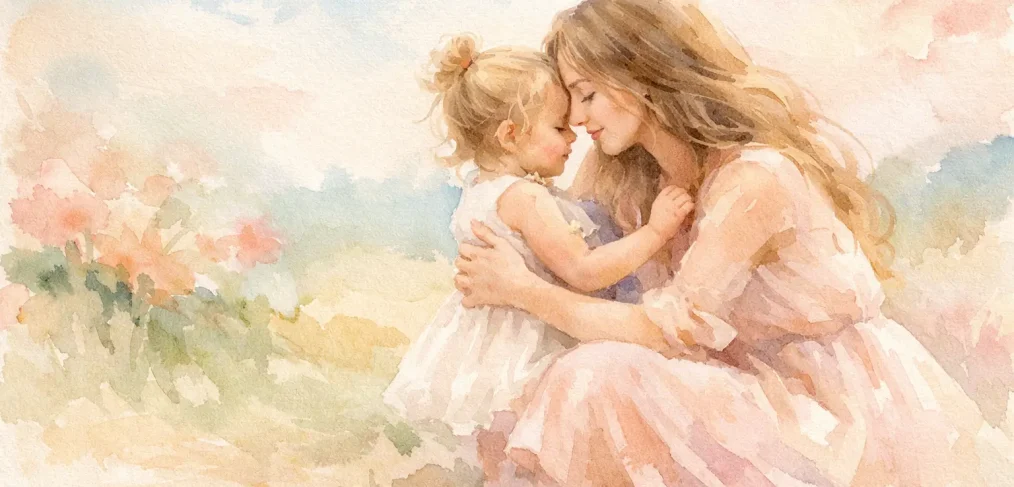
A forehead-to-forehead portrait brings a more emotional, fine art feel. This example is ideal for moms who want something tender and close without looking overly posed. The expression can be serious, soft, or smiling slightly. It depends on the mood you want. When the styling is minimal, this type of portrait feels especially polished.

Walking portraits offer a different kind of beauty. Instead of asking a child to sit still, the session allows movement. A mother walking hand in hand with her little one creates images that feel graceful and alive. These work well outdoors or in studio setups with enough space to move naturally. The trade-off is that walking portraits are less formal, but that is often exactly why families love them.

For mothers with toddlers, playful interaction portraits are worth considering. Think lifting your child, spinning gently, sharing a laugh, or kneeling to meet them at eye level. These portraits celebrate personality as much as appearance. They may not have the perfectly still composition of a formal pose, yet they often become favorites because they feel so true to the stage of life.

A dress-focused fine art portrait is another striking choice. If the mother wears a flowing gown and the child is styled in a simple, complementary outfit, the image becomes more editorial and elevated. This example suits clients who want portraits that feel luxurious without losing warmth. It works beautifully in studio light where shape, fabric, and pose can all be controlled.

Studio mommy and me portrait examples

Studio portraits are ideal when you want a clean, curated result. They remove distractions and place full attention on expression, pose, and styling. A minimalist studio setup with soft neutral tones can make even the simplest interaction look elevated.

One studio concept that photographs beautifully is the monochromatic portrait. Mother and child wear tones from the same color family, such as cream, taupe, ivory, or soft blush. This creates cohesion without looking overly coordinated. It is flattering, modern, and especially strong for wall art.

Another option is the black-and-white close-up. In this example, the focus shifts from wardrobe and color to emotion and detail. Skin, eyelashes, hands, and expression become the story. Black and white works particularly well when you want something classic and quietly dramatic. The only caution is that it asks more from pose and connection, since there are fewer visual elements to carry the frame.

A seated floor portrait can also be lovely in studio. The mother sits with her child close beside her or between her knees, creating a grounded, connected composition. This feels relaxed while still looking intentional. For babies who are sitting confidently and for young children who like to stay near mom, it is often one of the easiest setups to execute well.

If you want a more editorial look, a profile portrait is a beautiful departure from the expected. Mother and child are turned slightly to the side, creating a sculptural effect. This kind of image can feel incredibly refined, especially when light is soft and directional. It is less playful than a candid setup, but it has a quiet strength that many mothers love.

Outdoor mommy and me portrait examples

Outdoor sessions bring softness, light, and movement that can be hard to replicate indoors. They tend to feel more relaxed, and they work especially well for families who want a less formal atmosphere. The environment matters, though. A good location should support the portrait, not compete with it.

A field or garden portrait is one of the most requested outdoor examples for good reason. The natural setting adds texture and romance, while still allowing the bond between mother and child to remain the focus. Flowing dresses, bare feet, and soft light can create images that feel effortless and elevated at the same time.

An at-sunset silhouette is another meaningful choice. This example is less about facial expression and more about shape and feeling. A mother lifting her child into the air or holding them close against the horizon creates a poetic, memorable frame. It is not the portrait you choose for every image in a gallery, but as one standout piece, it can be stunning.

A lifestyle-inspired outdoor portrait works well for older babies and toddlers who want freedom to explore. Sitting on a blanket, picking flowers, or simply cuddling in the grass can produce natural interaction with very little pressure. The trade-off is that lifestyle portraits feel less formal than classic posed imagery, so they are best for families who want warmth and movement more than perfection.

For clients in San Antonio, outdoor sessions can be especially beautiful in seasons when the light stays soft and the weather is comfortable. The right timing makes a real difference, particularly with young children who are much happier when they are not too hot or overstimulated.

How to choose the right portrait style

The best mommy and me portrait examples are not just visually pretty. They suit the age of the child, the mother’s comfort level, and the intended use of the final images. A framed wall portrait may call for something more polished and composed. An album can hold a wider mix of formal and playful moments.

If your child is under one, closeness and simple posing usually photograph beautifully. Holding, seated cuddles, and gentle interaction tend to feel natural. If your child is a toddler, movement becomes part of the session. That does not mean the images will look chaotic. It means the photographer should shape the movement rather than fight it.

Wardrobe also changes the mood more than many clients expect. Long dresses, soft fabrics, and neutral tones create a refined, fine art look. More casual outfits can feel warm and relatable, but they may not have the same elevated finish. Neither is wrong. It depends on how you want the portraits to live in your home and in your memories.

What makes these portraits feel elevated

The difference between a decent portrait and a striking one usually comes down to restraint. Too many props, loud patterns, or trendy details can date an image quickly. A more minimal approach gives the relationship room to lead. That is where elegance lives.

Expression matters just as much as styling. Not every image needs a broad smile. Some of the most compelling mother-and-child portraits carry softness, calm, and tenderness rather than obvious excitement. A skilled session leaves room for both.

The final piece is intention. When the portrait is designed around your bond rather than around a generic pose, the result feels personal. That is what turns a photograph into something lasting.

If you are saving inspiration, look for examples that make you feel something, not just ones with perfect outfits or pretty backgrounds. The most beautiful mommy and me portraits are the ones that let you see your motherhood clearly, with grace, warmth, and honesty.

15 Best Maternity Photo Poses to Try

15 Best Maternity Photo Poses to Try

A beautiful maternity portrait rarely starts with knowing what to do with your hands. It starts with knowing what you want the image to feel like. The best maternity photo poses do more than flatter your body – they highlight connection, softness, strength, and the quiet anticipation of meeting your baby.

That is why posing should never feel stiff or overly complicated. The most timeless images are usually built on subtle adjustments: a turned shoulder, a softened hand, a lifted chin, a gentle bend in one knee. When those details come together, the result feels polished without looking posed.

What makes the best maternity photo poses work

The most flattering maternity poses draw attention to the shape of the bump while still honoring the whole portrait. That means creating length through posture, opening the body toward the light, and keeping hands intentional rather than distracted. A strong pose should feel elegant and natural at the same time.

It also depends on the kind of session you want. A fitted gown calls for sculptural posing with long lines and clean silhouettes. A more relaxed, at-home or lifestyle-inspired session may call for movement, seated poses, and softer interaction. Neither is better. The right choice depends on your personal style and how you want to remember this season.

Best maternity photo poses for timeless portraits

1. Hands framing the bump

This is classic for a reason. One hand placed above the bump and the other beneath it instantly draws the eye to your belly and creates a gentle, maternal shape.

The key is keeping the hands relaxed. Fingers should be soft, not spread wide or pressing too firmly. This pose works beautifully standing straight on, turned slightly to the side, or paired with a downward glance for a more intimate feel.

2. Side profile with lifted posture

A side profile is one of the best ways to showcase your silhouette. With shoulders rolled back slightly and your neck elongated, the full shape of the bump becomes the focus.

This pose is especially striking in studio portraits or fine art sessions where clean lines matter. It works best when your weight is shifted onto the back leg so the front knee can bend naturally. That small adjustment keeps the pose from looking rigid.

3. Looking down at the belly

A downward gaze creates an immediate sense of tenderness. It gives the image an emotional anchor without requiring exaggerated expression.

This pose is ideal if you want your portraits to feel soft and reflective. It can also be helpful for clients who feel camera shy, since not every image needs direct eye contact. The trade-off is that posture matters even more here. If the chin drops too far, the pose can lose its elegance, so a slight tilt is usually enough.

4. Over-the-shoulder glance

For a more editorial look, an over-the-shoulder pose adds shape and sophistication. The body turns away slightly while the face comes back toward the camera.

This creates beautiful lines through the back, waist, and bump, especially in gowns with drape or fitted texture. It is one of the best maternity photo poses for women who want a portrait that feels both feminine and fashion-forward.

5. Walking slowly toward the camera

Movement changes everything. A slow walk brings life into the frame and helps you settle into your body naturally.

This pose works especially well outdoors, where fabric, hair, and light can move with you. It is also a wonderful option if standing still feels unnatural. Not every step will photograph perfectly, but the in-between frames are often the ones that feel the most genuine.

6. One hand in the hair, one on the bump

This pose adds a touch of softness and polish without feeling overstyled. One hand rests lightly in the hair or near the face while the other anchors the portrait at the belly.

It is flattering because it gives both arms a purpose and creates elegant asymmetry. For studio sessions with a minimal, fine art feel, this pose often reads beautifully because it looks effortless while still feeling refined.

7. Seated with a long spine

Seated poses can be incredibly flattering when done well. The secret is posture. Sitting tall, angling the knees slightly, and keeping the torso elongated helps maintain a graceful shape.

This is a lovely option for more contemplative portraits or for clients who want variety in their gallery. It can also feel more comfortable later in pregnancy. The main thing to avoid is sinking into the seat, which can shorten the body and flatten the image.

8. Hands on the belly with partner behind

If your partner is joining the session, this pose creates connection without overwhelming the portrait. You remain the visual center while your partner stands behind or beside you with hands gently layered around the bump.

It feels intimate, protective, and timeless. The best version of this pose keeps everyone relaxed. If the grip looks too tight or overly staged, the image can lose its warmth.

9. Forehead-to-forehead with partner

This is one of the most romantic maternity poses, especially when paired with soft light and close framing. It brings emotion into the image while keeping the bump part of the composition.

It works best when both of you stay relaxed through the shoulders and lean in naturally rather than pressing together too forcefully. A small smile, closed eyes, or simply a calm expression can all work beautifully depending on the mood you want.

10. Holding fabric or dress movement

If you are wearing a gown with tulle, chiffon, or a dramatic train, use it. A light hold at the sides of the dress can create shape, movement, and a more elevated portrait.

This is one of those poses that feels especially suited to a boutique studio experience because styling plays such a visible role. It is elegant, but it still needs restraint. Too much pulling or lifting can look theatrical rather than timeless.

11. Silhouette pose

A silhouette strips the image down to shape and light. When done well, it becomes one of the most powerful ways to celebrate pregnancy.

This pose usually works best in profile, with the belly clearly defined and the posture elongated. It does not rely on expression or wardrobe detail, which makes it especially striking for mothers who love modern, minimal portraits.

12. Cradling the bump while standing at an angle

A slight angle is often more flattering than standing square to the camera. Turning the body about 45 degrees, then bringing the face back toward the light, creates dimension and softness.

Add both hands gently around the bump, and the pose feels complete without being too formal. This is often one of the easiest poses for first-time clients because it is simple, graceful, and consistently flattering.

13. Close-up crop with hands and belly

Not every portrait needs to include your full body. A close-up of the bump with your hands, a fitted dress, or textured fabric can feel incredibly intimate and artistic.

These images add variety to a gallery and often become favorite detail portraits. They work best when hands are softly placed and the wardrobe photographs cleanly. Minimal styling tends to shine here.

14. Sitting on the floor with legs to the side

For a softer, more romantic look, sitting on the floor with legs angled to one side can be lovely. This pose creates flowing lines and works beautifully with longer dresses.

It is best for clients who feel comfortable getting down and up easily. Comfort matters. If a pose feels physically awkward, it usually shows in the final image.

15. Laughing or interacting naturally

Some of the most memorable portraits come right after the formal pose. A laugh, a breath, a glance down, a moment of adjusting your dress – these are often the frames that feel most personal.

That does not mean every session should be fully candid. Usually, the strongest galleries blend polished posing with natural interaction. You want guidance, but you also want space for real emotion.

How to make maternity poses look more natural

The difference between awkward and elegant usually comes down to small refinements. Relaxed hands matter. Good posture matters. So does breathing. When you exhale, drop your shoulders, and move slowly, the portrait instantly feels softer.

Wardrobe also changes how a pose reads. Fitted dresses show shape clearly and pair well with sculptural posing. Flowy gowns create movement and can make walking or seated poses feel more ethereal. If you are choosing between two looks, think less about trends and more about whether you want your portraits to feel sleek, romantic, dramatic, or understated.

Professional direction makes a difference here. During a well-designed maternity session, you should not have to guess what to do. Small pose adjustments, thoughtful styling, and attention to light are what turn a simple pose into a portrait that feels like art.

Choosing the best maternity photo poses for your style

The best pose is not always the most popular one. It is the one that feels like you. Some mothers want elevated studio portraits with a fine art finish. Others want a softer, more connected session with a partner or children. Some want both.

That is why personalization matters. A strong session is never just a checklist of poses. It is a curated experience shaped around your comfort, your wardrobe, and the story you want these images to tell. For expecting mothers in San Antonio who want portraits that feel polished, emotional, and beautifully personal, that level of care is what makes the final gallery feel enduring.

Pregnancy changes quickly, and so does the way you remember it. Choose poses that honor this season with grace, and let the camera hold onto the beauty for you a little longer.

Guide to Maternity Photo Timing

Guide to Maternity Photo Timing

There is a short window in pregnancy when everything tends to align – your bump is beautifully defined, you still feel comfortable enough to move, and the session can feel graceful instead of rushed. That is why a thoughtful guide to maternity photo timing matters. The right timing does more than flatter your silhouette. It shapes how relaxed, confident, and present you feel in every image.

For most expectant mothers, the ideal time for maternity portraits falls between 28 and 34 weeks. This is usually the sweet spot when the belly is clearly visible, but you are not yet as likely to feel the physical heaviness, swelling, or fatigue that often arrives later. If you want images that feel polished and effortless, this range is where many sessions photograph best.

That said, timing is never one-size-fits-all. Every pregnancy carries its own rhythm, and the best session date depends on your body, your comfort, your wardrobe, and whether you are expecting one baby or more.

The best weeks for a maternity session

If you want the simplest answer in this guide to maternity photo timing, start with 30 to 32 weeks. For many women, this range offers the most balance. Your shape is prominent, your face often still looks fresh, and you are more likely to enjoy the experience from beginning to end.

At 28 to 30 weeks, portraits can feel especially refined for first-time mothers or clients who are carrying small. The bump is visible, but your movement may still feel light and easy. This timing also works well if you want fitted gowns, draped fabrics, or more editorial posing that benefits from energy and flexibility.

At 32 to 34 weeks, the belly usually looks fuller and more dramatic on camera. Many mothers love this stage because the pregnancy is unmistakable and deeply expressive. If you are still feeling well, this can be a beautiful time to capture that final stretch before your baby arrives.

After 34 weeks, it depends. Some women still feel wonderful and photograph beautifully at 35 or 36 weeks. Others find that getting dressed, walking outdoors, or holding poses becomes more physically demanding. There is no wrong choice here, but waiting too long can narrow your options if your body changes quickly or your baby decides to arrive early.

Why maternity photo timing depends on your pregnancy

A strong maternity session is not just about the calendar. It is about how you are carrying and how you feel in your body.

First pregnancies often show later, so some clients prefer to wait until the early 30s in terms of weeks. Second or third pregnancies may show sooner, which means 28 to 30 weeks can already look beautifully complete on camera. If you are expecting twins or multiples, scheduling earlier is usually the better choice. Around 26 to 30 weeks is often more comfortable, and it reduces the risk of waiting until the final weeks when movement may be harder.

Health and comfort matter just as much as aesthetics. If your pregnancy includes swelling, pelvic discomfort, bed rest concerns, or simply lower energy, an earlier session can create a much better experience. Beautiful portraits should not come at the cost of feeling exhausted.

This is also why booking early matters. Even if your session will take place later, reserving your date during the second trimester gives you more flexibility. Premium photographers often book well in advance, especially during busy family portrait seasons and holiday months.

A guide to maternity photo timing by season

Season changes the look and feel of your portraits, but it also changes what timing makes practical sense.

In summer, especially in Texas, earlier is often easier. Heat and humidity can make late pregnancy feel more intense, particularly for outdoor sessions. A sunrise or sunset session around 28 to 32 weeks may feel far more comfortable than waiting until 35 weeks in the middle of August.

In fall, session calendars fill quickly. If you are hoping for golden tones, softer weather, and family portraits that can overlap with seasonal card timing, book early and aim for your ideal pregnancy window before the rush. Fall is beautiful, but it requires more planning.

Winter sessions can feel elegant and intimate, whether indoors or outdoors with layered styling. If you love long sleeves, rich textures, or a more minimal fine art look, winter can be incredibly flattering. Just consider daylight hours and weather shifts when choosing your date.

Spring offers softness and fresh color, which many mothers love for maternity portraits. It is a lovely season for flowing gowns and outdoor locations, though spring weather can be unpredictable. If flexibility matters to you, avoid scheduling too close to the very end of your pregnancy.

When to book versus when to shoot

Booking and photographing are two different decisions, and many clients confuse the two.

The best time to book is usually early in your second trimester, often around 12 to 20 weeks. At that stage, you do not need to know every styling detail yet. You simply want your date secured, especially if you are choosing a boutique experience with wardrobe planning, hair and makeup coordination, or a custom concept.

The best time to shoot is usually in that 28 to 34 week window. Once your due date is known, your photographer can help narrow the best range based on your body type, your vision, and whether you want a studio or outdoor setting.

If you already feel late in the process, do not assume you missed your chance. Reach out anyway. A well-planned session at 33 or 34 weeks can still be stunning, and an experienced photographer will know how to create a calm, flattering pace.

Style choices can change the ideal timing

Wardrobe influences timing more than many clients expect.

If you love fitted dresses that emphasize the curve of your belly, waiting until the bump feels round and distinct often gives the strongest result. If you prefer soft draping, open fabrics, or a more ethereal silhouette, you may have more flexibility and can photograph beautifully a bit earlier.

Hair, makeup, and overall polish also matter. When clients feel physically well, they tend to enjoy the full experience more. That enjoyment shows in the final gallery. It is one reason many luxury maternity sessions are intentionally scheduled before the final month, when rest and comfort become more limited.

For family-inclusive maternity portraits, timing becomes even more practical. If your partner or children are joining, you will likely want enough energy for connection-focused images, a few outfit changes, and gentle movement. Earlier in the ideal window often makes that easier.

Signs you should schedule sooner rather than later

Sometimes the best answer is simply not to wait.

If you are carrying multiples, if your pregnancy is already feeling physically demanding, if your bump appeared early, or if you are hoping for an outdoor session in hot weather, move your date up. The same goes if you have a history of early delivery or your provider expects your baby may arrive ahead of schedule.

Another sign is emotional readiness. Some women do not feel connected to the idea of a maternity session until they can clearly see and feel the transformation. Others feel most beautiful before late pregnancy fatigue sets in. Both responses are valid. Your portraits should honor where you feel most like yourself.

How to know you chose the right time

The right session date usually feels like a balance, not an extreme. Your belly is visible. Your clothing fits with intention. You can still walk, pose, and breathe comfortably. You are not worrying that you booked too early, and you are not rushing because your due date is just around the corner.

That middle ground is where elegance lives. It allows space for thoughtful styling, relaxed posing, and portraits that feel timeless rather than strained.

For clients who want a polished, fine art result, timing is part of the artistry. At Veronika Gant Photography, that planning is treated with the same care as wardrobe, lighting, and composition, because a beautiful image begins long before the camera comes out.

If you are deciding when to schedule, trust both the general guideline and your own experience of pregnancy. The most flattering week is not just the one that looks best on paper. It is the one where you can fully embrace the beauty of motherhood and still feel like yourself in front of the camera.

Choosing a San Antonio Cake Smash Photographer

Choosing a San Antonio Cake Smash Photographer

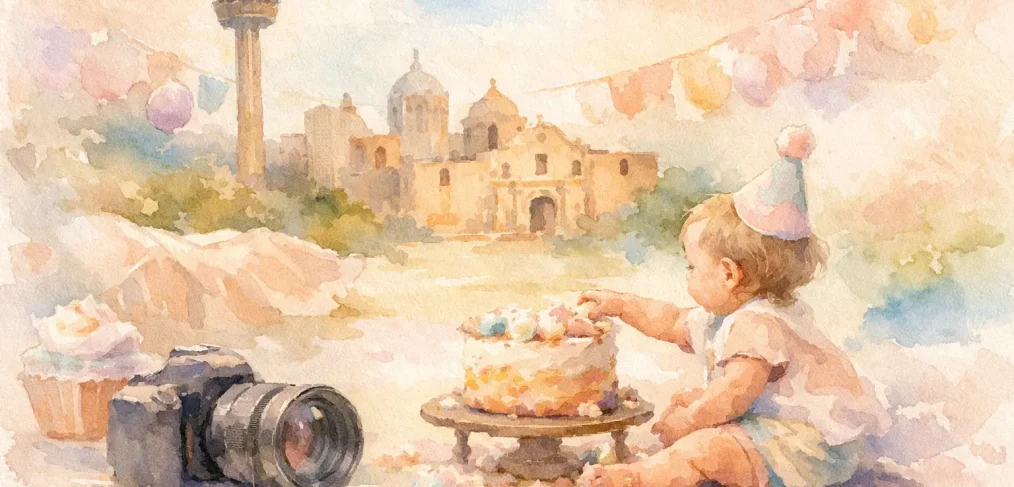
One frosting-covered hand on the floor, one proud grin aimed straight at the camera, and suddenly your baby is not really a baby anymore. That is why choosing the right san antonio cake smash photographer matters more than many parents expect. A first birthday session is playful, yes, but it is also a milestone portrait experience that deserves the same care, styling, and attention as any family keepsake you plan to treasure for years.

A cake smash is often the first time parents invest in a session created just for their child’s personality. It marks a season that passed quickly – the sleepy cuddles, the first smiles, the tiny outfits, the daily changes that somehow happened all at once. When the images are done well, they feel joyful and polished at the same time. They capture celebration without looking trendy for just one year.

What a great san antonio cake smash photographer really offers

Not every cake smash session is created the same way. Some photographers treat it like a quick event with balloons, bright props, and a few fast shots before cleanup. Others approach it as a fully styled portrait session with a clear artistic point of view. If your goal is imagery that feels refined and timeless, that difference matters.

A strong cake smash photographer pays attention to more than whether your baby touches the frosting. They think about wardrobe, backdrop tones, cake design, posing before the smash, and how each image fits together as a complete gallery. The best sessions usually begin with clean milestone portraits before the cake comes out. That gives you a set of elegant first birthday images in addition to the playful, messy photographs everyone loves.

This is especially valuable if you prefer a modern, minimal, fine art look. A simpler set often photographs more beautifully than one crowded with props. It keeps the focus where it belongs – on your child’s expression, movement, and growing personality.

Style matters more than parents think

Many families begin their search by looking at price first. That is understandable, but style should guide the decision just as much. Cake smash photography sits at the intersection of portraiture and celebration, so the visual approach shapes everything.

If you love soft tones, clean backgrounds, flattering light, and images that look beautiful framed in your home, look closely at the photographer’s portfolio. Do the galleries feel consistent? Are babies photographed in a way that looks natural and elevated? Does the editing feel classic, or heavily filtered and likely to date itself? These details tell you whether the final images will still feel beautiful long after the birthday party is over.

There is also a practical side to style. An elaborate setup can be charming, but it can also compete with your child. Minimal styling tends to age better and keeps the emotion of the images front and center. On the other hand, if your family loves color and themed celebrations, a more decorative session may be the right fit. It depends on what you want to remember most – the party details or your child within the moment.

Timing your cake smash session well

One of the most common mistakes parents make is waiting too long to book. If you want photos ready for birthday invitations, party displays, or a first birthday celebration, your session needs to happen earlier than many expect.

Most cake smash sessions are best photographed a few weeks before the actual birthday. That gives enough time for planning, shooting, editing, and ordering prints or products. It also gives your family flexibility if your baby is having an off day and the session needs a little patience.

Time of day matters too. Babies do best when the session works with their natural rhythm, not against it. A child who is usually cheerful after a morning nap may not be thrilled about frosting, lights, and a new environment late in the afternoon. An experienced photographer will talk through this with you, because cooperation at age one is never guaranteed. You want someone who understands how to build around your child, not force a rigid timeline.

The best sessions include more than the cake

Parents often picture the smash itself as the whole session, but that is rarely what creates the strongest gallery. The most meaningful first birthday sessions usually include three layers: classic portraits, family or parent-and-baby images if desired, and then the cake portion.

Those portrait images matter. They preserve your baby’s features at this exact stage without frosting, without distraction, and without the rush of the messier moments. A few simple seated portraits, standing shots if your little one is there already, and close-up details can become some of the most cherished photographs from the day.

Then comes the celebration. Some babies dive right in. Some stare at the cake like it is deeply suspicious. Some cry, some clap, some carefully pick off one tiny piece of frosting at a time. All of that is normal, and often the best images come from those unexpected reactions. A seasoned photographer knows how to respond without making the room feel stressful.

Questions worth asking before you book

When you are comparing options, ask how the session is styled and what is included. You want clarity on whether the photographer provides the backdrop, outfit guidance, cake recommendations, and cleanup expectations. A premium experience should feel curated, not confusing.

It is also wise to ask how the photographer handles babies who need breaks. One-year-olds are wonderfully expressive, but they are also unpredictable. The right professional will allow enough time for transitions and will know how to keep the atmosphere calm.

Editing style is another area to clarify. Skin tones should look natural, whites should feel clean rather than harsh, and the final gallery should reflect the quality you saw in the portfolio. If the work looks inconsistent online, that inconsistency may show up in your own images too.

And of course, ask what you are actually taking home. Digitals are valuable, but first birthday portraits often deserve more than a folder on a phone. This is a milestone worth printing, framing, and turning into something your family sees every day.

Why the experience matters as much as the photos

A cake smash session can look effortless in final images while requiring thoughtful planning behind the scenes. That planning is where a boutique experience stands apart. From color palette to wardrobe guidance to set design, every detail shapes how relaxed and beautiful the session feels.

For mothers especially, there is often a quiet emotion attached to this milestone. The first year can be full, beautiful, exhausting, and fast. Having a photographer who understands that emotional weight changes the session. It becomes more than a cute tradition. It becomes a way to honor your child’s first year and your own journey through it.

That is why many families are drawn to photographers whose work feels warm, polished, and intentional rather than rushed. When the experience is handled with care, parents can actually enjoy the moment instead of managing every detail themselves.

Finding the right fit for your family

The right san antonio cake smash photographer is not simply the one with the cheapest package or the most props. It is the one whose work reflects the way you want this milestone remembered. Maybe that means soft, fine-art portraits with a clean set and beautiful light. Maybe it means a more playful setup that matches your celebration. Either way, the best choice is the photographer who combines technical skill, a clear aesthetic, and genuine ease with children.

If you are looking for an elevated, heartfelt approach, Veronika Gant Photography offers cake smash sessions designed with both beauty and meaning in mind. The goal is not just to capture frosting-covered smiles, but to create first birthday portraits that feel timeless in your home and deeply personal to your family.

Your baby does not need to perform perfectly for the session to be worth it. They only need to be exactly who they are at this age – curious, expressive, a little unpredictable, and completely unforgettable. Choose a photographer who sees the beauty in that, and the images will speak for themselves long after the cake is gone.

Mommy and Me Photo Session Guide

Mommy and Me Photo Session Guide

You do not need a perfect child, a perfectly coordinated wardrobe, or a perfectly calm morning to create beautiful motherhood portraits. A thoughtful mommy and me photo session guide begins with one simple truth: the most meaningful images are rarely the stiffest ones. They are the moments where your child reaches for your face, curls into your shoulder, or laughs because you laughed first.

That is what makes these sessions so special. They are not only about how motherhood looks. They are about how it feels. When the experience is styled with care and photographed with intention, the result is polished, emotive artwork that still feels honest.

What a mommy and me photo session guide should really help you do

A good session guide should do more than tell you what color dress to wear. It should help you make decisions that support the mood, comfort, and final look of your portraits. The goal is not to copy someone else’s gallery. The goal is to create images that feel elevated, flattering, and true to your season of motherhood.

That usually starts with clarity. Are you hoping for soft and tender portraits with your baby? A playful session with your toddler? A more refined fine-art look with older children? Each version can be beautiful, but each asks for slightly different styling, pacing, and expectations.

If your child is under five, flexibility matters more than a rigid shot list. If your children are older, the focus may shift toward connection, posture, and subtle direction. In both cases, the best sessions leave room for genuine interaction while still feeling curated.

Choosing the right setting for your mommy and me photo session

The setting shapes the entire mood of the gallery. A studio session creates a clean, timeless look with more control over light, temperature, and distractions. This is often ideal if you love a modern, minimal, fine art style and want portraits that feel polished and enduring.

An outdoor session can feel softer and more organic, especially if you want movement, sunlight, and a little more space for children to explore. The trade-off is that weather, heat, wind, and timing matter more. In Texas, for example, outdoor comfort can change quickly depending on the season, so what looks dreamy on a mood board may not feel so effortless in the middle of summer.

Neither option is better in every case. It depends on your child’s temperament, your wardrobe vision, and the overall feeling you want the images to carry. If you are drawn to elegant simplicity and consistent results, a studio setting is often the strongest choice.

What to wear without overthinking it

Wardrobe can elevate a session quickly, but it can also create unnecessary stress. The easiest approach is to choose your outfit first, then build your child’s look around it. For motherhood portraits, flowing fabrics, soft structure, and light, refined tones tend to photograph beautifully because they keep attention on connection rather than visual clutter.

Cream, ivory, taupe, soft blush, muted blue, and warm neutrals are often a lovely place to start. These tones feel timeless and photograph with softness. Bold prints, neon colors, and heavy logos usually pull focus away from the emotional center of the portrait.

For moms, a dress with movement is often flattering and elegant, especially when holding a child. Sleeves can add softness and shape, while fitted bodices and gentle draping create a refined silhouette. If dresses are not your style, a tailored blouse with structured trousers in tonal colors can also look beautiful. The key is choosing something that feels elevated but still comfortable enough to move in naturally.

For children, keep the look simple. Soft textures, classic shapes, and minimal detail tend to photograph best. If your child is very young, avoid anything itchy, restrictive, or overly fussy. Discomfort shows quickly on little faces.

Timing matters more than most parents expect

The most beautiful light in the world cannot compete with a child who missed nap time. One of the smartest decisions you can make is scheduling around your child’s natural rhythm. If your little one is happiest in the morning, that matters. If they need a snack at a very specific time, that matters too.

Parents sometimes worry that working around a child’s schedule sounds inconvenient, but it usually leads to a much smoother experience. A well-timed session gives space for connection, patience, and those in-between moments that make a gallery feel alive.

If you are bringing a toddler, plan a calm lead-up to the session. Avoid packing the day too full. Leave enough time to get ready without rushing. Children often respond to your energy, so when the morning feels settled, they usually do too.

How to prepare your child for a better experience

Children do best when the session feels safe and simple. You do not need a big speech. In fact, less is often better. Let them know they will be spending time with you, cuddling, playing, and taking pictures together. That framing feels warm instead of pressured.

It also helps to avoid promising rewards for “good behavior” every few minutes. Children can sense when a session has become a performance. Instead, bring familiar comfort items if needed, keep essentials nearby, and trust that a photographer experienced in motherhood and children’s portraiture knows how to guide gently.

If your child is shy, that does not mean the session is doomed. Some of the most touching portraits come from quieter moments – a small hand wrapped around your finger, a child leaning in slowly, a thoughtful expression instead of a big grin. Not every beautiful image needs direct eye contact and a wide smile.

What makes mommy and me portraits feel timeless

Timelessness usually comes from restraint. Too many props, too many competing colors, or trendy styling choices can date a gallery faster than most people realize. The portraits that tend to last are centered on emotion, flattering light, and clean composition.

This does not mean the session should feel plain. It means every detail should support the story instead of distracting from it. A beautiful dress, a carefully chosen backdrop, and soft posing can create a luxurious result without making the image feel overdone.

Posing also plays a larger role than many moms expect. The most flattering motherhood portraits often involve gentle angles, natural hand placement, and poses that create closeness without stiffness. A refined session balances direction with spontaneity. You are guided enough to look your best, but not so much that the images lose warmth.

Let go of the pressure to look camera-ready every second

Many mothers book a session because they know this season matters, but still feel nervous about being photographed. That is completely normal. Often, the worry is not really about the camera. It is about being seen while in the middle of motherhood, when life can feel beautiful and exhausting at the same time.

This is where expertise matters. A well-designed session is not asking you to perform. It is creating space for you to be present, with thoughtful styling, flattering direction, and an environment that brings out softness instead of self-consciousness.

Your child is not looking for perfection from you. They are looking for you. Years from now, they will not study whether every hair was in place. They will see the way you held them.

A few details that make a noticeable difference

Hydration the day before, steamed clothing, clean neutral nails, and simple makeup all photograph beautifully. If you are having hair and makeup professionally done, keep the finish polished and soft rather than overly dramatic unless that is part of the intended style.

Bring a backup outfit for your child if they are very young. Keep snacks simple and non-messy. If sentimental accessories matter to you, such as a bracelet from your baby shower or a piece passed down from your mother, those details can add quiet meaning without overwhelming the portrait.

If you are planning a session in San Antonio, think seasonally. Light fabrics and breathable styling may be the difference between a graceful experience and a rushed one, especially outdoors.

The real value of documenting motherhood now

There is a reason these portraits become favorites. They hold more than appearance. They preserve presence. The stage where your child still fits on your hip, reaches for your hand, or rests their head on your shoulder changes quickly, even when the days feel long.

A beautifully planned mommy and me session gives those fleeting gestures a place to live. Not on your phone between screenshots and grocery lists, but as artwork with staying power. That is the difference between taking a picture and creating a legacy image.

If you have been waiting for life to feel more settled, for your schedule to open up, or for your child to be a little easier to photograph, consider this your gentle reminder that this chapter is already worthy. The beauty is not in getting everything just right. It is in choosing to be in the frame while this season is still yours to hold.