Are Cake Smash Sessions Worth It for Your Baby?

Are Cake Smash Sessions Worth It for Your Baby?

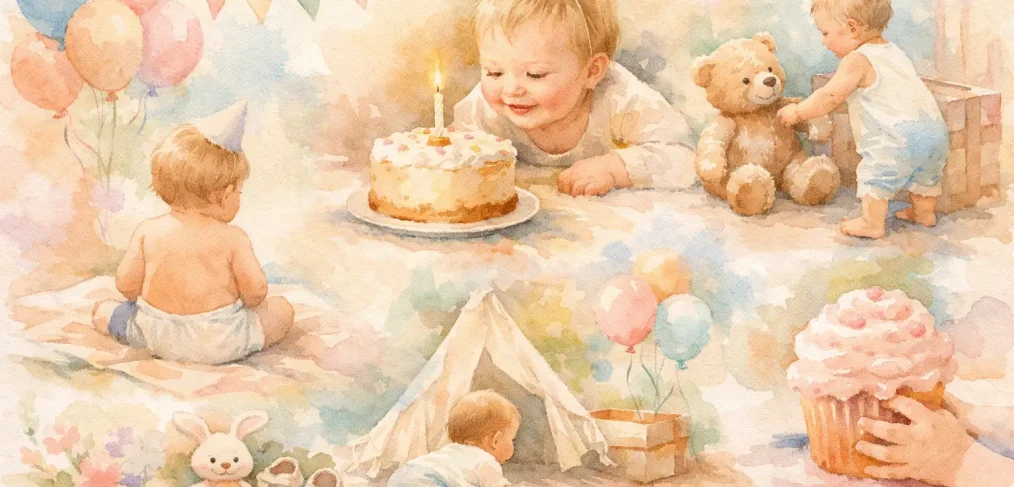
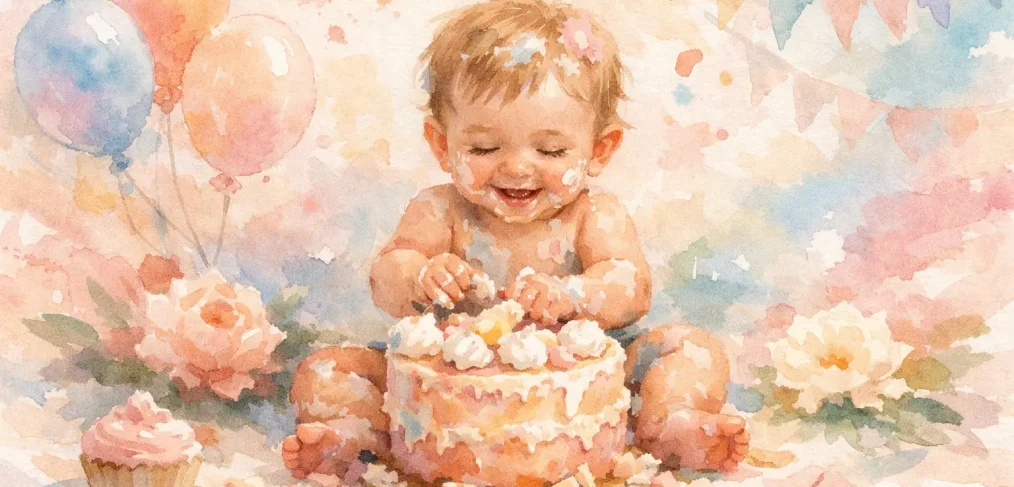
A first birthday arrives with surprising speed. One moment, you are learning your baby’s little expressions and favorite songs; the next, they are standing tall, showing real opinions, and reaching for the frosting. So, are cake smash sessions worth it? For many families, the answer is yes – not because the cake itself is extraordinary, but because this season of personality, movement, and joyful mess is so brief.

A beautifully planned cake smash session gives you more than photos of a baby with icing on their hands. It preserves the spirited in-between: the cautious first touch, the delighted grin, the determined attempt to eat every sprinkle, or the wonderfully serious face that says, “What exactly is this?” Those details become part of your family story.

What Makes a Cake Smash Session Worth It?

The value of a cake smash session is deeply personal. If you are looking for a quick snapshot simply to mark a birthday, a few photographs at home may be enough. But if you want refined, expressive images that feel worthy of printing, framing, and revisiting as your child grows, a professionally styled session offers something different.

At one year old, children are wonderfully unpredictable. They are often sitting independently, crawling or walking, clapping, pointing, and responding to familiar voices. Their personalities are much more visible than they were just months before. A cake smash creates a relaxed setting where that personality has room to shine.

The cake is only one part of the experience. Thoughtful styling, flattering light, a comfortable pace, and a photographer who knows how to work with little ones all matter. The resulting gallery can feel playful while still fitting beautifully within a modern, fine-art-inspired home.

You Are Preserving More Than a Mess

There is no requirement for a baby to smash a cake enthusiastically. Some children dive right in. Others gently pick off one berry at a time. Some would rather clap, dance, or investigate the cake stand than taste the frosting. Every response is valid, and often, those unexpected reactions make the photographs more meaningful.

A well-designed session honors your child rather than forcing a performance. That means allowing time for them to warm up, keeping the setting uncluttered, and capturing genuine expressions instead of chasing a perfect social-media moment. The goal is not a certain amount of mess. It is a collection of images that feels like your baby at this exact age.

These portraits also become more significant with time. In the rush of early parenthood, it can be easy to see a birthday session as one more thing on an already full calendar. Years later, you are likely to notice the tiny details: the curve of their cheeks, the way they held their hands, the sweet uncertainty before their first taste of cake. Those are the things memory softens first.

The Experience Is Often Easier Than Doing It Yourself

A DIY cake smash can absolutely be charming, especially for parents who enjoy styling celebrations and taking photos. It can also involve more work than expected. You may need to choose a theme, find or make decor, order a cake that photographs well, consider lighting, tidy the space, encourage a tired baby, take photos, and clean up afterward.

Professional sessions remove much of that planning pressure. Instead of trying to photograph the moment while managing the moment, you get to be present with your child. You can laugh at the mess, offer a reassuring voice, and enjoy watching their reaction without wondering whether your phone captured it.

That is particularly valuable when you want to be in a few images yourself. A brief parent-and-baby portrait before the cake can add emotional depth to the final gallery. Your child may not remember their first birthday, but they will one day see the love and celebration surrounding them.

A Curated Look Has Lasting Appeal

Trends can be fun, but highly themed setups can feel dated quickly. A clean backdrop, intentional color palette, and simple details allow your child to remain the focus. Soft neutrals, fresh florals, gentle pastels, or a carefully chosen statement color can feel festive without overwhelming the portrait.

For families drawn to a polished aesthetic, this is one of the strongest reasons to invest. The images can coordinate with your home, sit naturally beside maternity or family portraits, and feel timeless enough to display long after the birthday decorations are gone.

When a Cake Smash Might Not Be the Right Fit

Cake smash sessions are not a must for every family. If your child has food allergies, strong sensory sensitivities, or a firm dislike of sticky textures, a traditional cake setup may create more stress than joy. That does not mean you need to skip the milestone entirely.

You can celebrate with a favorite fruit, pancakes, a small stack of donuts, or another baby-safe treat that suits your child. Some families choose a portrait-focused first birthday session with a simple outfit change and no food at all. The most beautiful option is the one that respects your child’s comfort and reflects your family honestly.

Timing matters, too. Babies are usually at their happiest after a nap and a light meal, not during their usual sleepy or hungry window. If your little one is teething, sick, or going through a particularly sensitive phase, rescheduling is often wiser than pushing through. A calm baby does not guarantee a cake smash, but it creates better conditions for genuine joy.

What to Expect From a Thoughtful Session

A cake smash session is typically planned around a simple rhythm. First come a few clean, classic portraits while your child is fresh. Then the cake is introduced, with plenty of time to explore it at their own pace. Many families also appreciate a final cleanup option, whether that is a warm bath setup or simply time to wipe little hands and toes before heading home.

The best results come from preparation that still leaves room for spontaneity. Choose an outfit that fits comfortably and photographs beautifully, but bring a backup. Avoid introducing an entirely unfamiliar cake flavor for the first time during the session. If your baby has never touched frosting, letting them sample a small amount at home beforehand can make the experience feel less surprising.

You do not need to practice smashing. In fact, it is better not to. Curiosity creates the sweetest photographs. Your role is simply to arrive rested when possible, bring a familiar comfort item if needed, and let your child lead the moment.

Questions to Ask Before Booking

Before choosing a photographer, consider whether their style matches the way you want to remember this milestone. Look for galleries with natural expressions, cohesive styling, and images that feel intentional rather than overly busy. Ask what is included, how the set is planned, whether the cake is provided or needs to be ordered separately, and how much flexibility there is if your child needs extra time.

It is also worth asking about the final artwork. Digital files are convenient, but printed photographs, albums, and framed portraits give these images a place in daily life. A first birthday portrait deserves more than a brief appearance on a screen before it disappears into a camera roll.

The Worth Is in the Feeling You Take Home

For the right family, cake smash portraits are a meaningful investment in a once-only chapter. You are not purchasing permission for your baby to make a mess. You are choosing to pause, celebrate the first year you have grown through together, and preserve the child they are becoming.

At Veronika Gant Photography, the focus is on creating an elevated, child-led experience that feels joyful, calm, and beautifully personal. Whether your little one becomes an enthusiastic frosting critic or prefers a single careful taste, their photographs should reflect the magic of who they are.

If this milestone matters to you, let it be documented with the same care you give to every other meaningful part of your family’s story. The cake will be gone in minutes. The expressions, the tiny hands, and the memory of celebrating your baby’s first year can stay close for a lifetime.
10 Best Maternity Photo Locations in San Antonio

10 Best Maternity Photo Locations in San Antonio

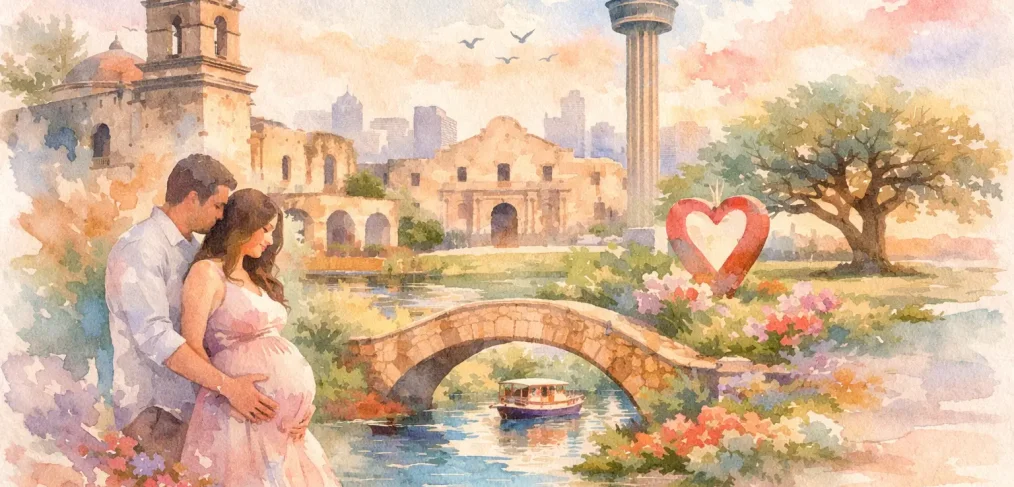
A maternity portrait should feel like a pause in the middle of a season that moves quickly. The best maternity photo locations are not simply beautiful backdrops. They create the mood of the image, flatter your wardrobe, and give you room to be present in this remarkable chapter.

In San Antonio, that can mean soft studio light, historic stone, sculptural architecture, or an open field warmed by the late-afternoon sun. The right choice depends on the kind of heirloom you want to hold onto years from now: polished and editorial, intimate and understated, romantic and outdoorsy, or full of the energy of your growing family.

1. A Fine Art Studio for Timeless Simplicity

A studio is often the most effortless choice for mothers who want the focus to remain entirely on them. Clean walls, carefully shaped light, and an uncluttered setting create portraits that feel refined rather than trendy. There is no concern about weather, heat, wind, or finding a quiet corner away from a crowd.

Studio maternity portraits are especially lovely with flowing gowns, sleek dresses, tailored pieces, or draped fabric. They also make a beautiful option for expecting mothers who prefer privacy or who are planning a session during the warmer months. With minimal surroundings, every detail matters – the curve of your belly, your hands, a soft expression, and the connection between you and your partner.

2. The Pearl District for Modern City Elegance

For a polished, contemporary setting, the Pearl District offers architectural lines, warm brick, greenery, and a sense of city sophistication. It is a natural fit for a mother who loves fashion-forward images but still wants a setting with warmth and character.

Because the area can be lively, timing is everything. A weekday morning or a carefully selected evening window can give your portraits a quieter feel. Choose a simple, elevated wardrobe that does not compete with the surroundings: neutral tones, satin, a fitted black dress, or a flowing cream gown all photograph beautifully here.

3. McNay Art Museum Grounds for Artful Portraits

The grounds around the McNay Art Museum feel graceful and composed, with clean architecture, manicured details, and a distinctly fine-art quality. This type of location works beautifully for couples who want their maternity photographs to look editorial while still feeling personal.

The visual structure here can complement both dramatic and delicate styling. A long gown may bring softness to the architectural setting, while a fitted dress can create a more modern silhouette. As with any museum or private property, access and photography policies should be confirmed before building your session around the location.

4. The Japanese Tea Garden for Romance and Texture

The Japanese Tea Garden offers stone pathways, lush foliage, water features, and layers of natural texture. It is one of the best maternity photo locations for parents drawn to a romantic, garden-inspired look without leaving the city.

This location is often at its most flattering during quieter hours, when the light is gentle and the space feels less crowded. Soft colors such as ivory, muted blue, dusty rose, sage, or warm beige work especially well against the garden tones. Keep in mind that there can be stairs and uneven paths, so comfortable walking shoes for in between portraits are a smart choice.

5. Landa Library for Old-World Charm

Landa Library brings a quiet sense of history to a maternity session. Its stone exterior, mature trees, and garden atmosphere make it a lovely choice for imagery that feels classic, feminine, and a little European in spirit.

This setting is ideal for a mother who imagines a soft, romantic wardrobe and portraits with a gentle, storybook feeling. It can also work well for a family maternity session, as young children have room to move while the surroundings still feel curated. Because it is a beloved public space, flexibility and patience can make all the difference.

6. Brackenridge Park for Natural Family Connection

When older children will be part of the session, Brackenridge Park can offer a relaxed, natural setting with plenty of visual variety. Tall trees, open areas, and the feeling of being tucked away from the city help create images that feel candid and connected.

This is not the location for a highly formal, pristine look. It shines when you want movement, laughter, little hands on your belly, and a family story that feels lived-in. Coordinate your colors rather than matching exactly, and let your children’s personalities be part of the experience.

7. A Sunlit Field for Soft, Dreamy Images

An open field at golden hour has a quiet magic. The light is warm, your gown has space to move, and the landscape gives your portraits an airy, romantic feeling. It is a beautiful match for mothers who want images that feel tender, expansive, and rooted in nature.

The trade-off is that outdoor fields are seasonal. Grass color, wildflowers, wind, and heat can change the final look significantly. Your photographer can help select a location and session time that works with the season rather than fighting it. A flowing dress in cream, soft blush, rust, or earthy neutrals can look especially striking against an open landscape.

8. The San Antonio Missions for Historic Beauty

The historic missions offer textured stone, arches, open courtyards, and a meaningful sense of place. For San Antonio families who want a location with heritage and architectural beauty, these spaces can feel especially personal.

A maternity session here is often best styled with an elegant, uncomplicated wardrobe. Let the stonework and natural light carry the scene rather than introducing too many bold colors or accessories. Be mindful that these are significant public sites, so respectful planning and awareness of visitor activity are essential.

9. Your Home for an Intimate, Personal Story

Some of the most meaningful maternity portraits happen at home. Your favorite chair, the light coming through the nursery window, a bedroom filled with soft linens, or a quiet moment in the kitchen can tell a story no landmark can replicate.

At-home portraits work best when your space has good natural light and you are drawn to images that feel personal rather than posed. You do not need a perfectly styled house. A few thoughtfully chosen areas, neutral bedding, and a cleared window space can be enough. This choice is particularly beautiful if you want the images to hold the details of the home where you prepared for your baby.

10. A Meaningful Place That Is Yours

The most beautiful location may not be the one everyone recognizes. It may be the ranch where you were married, a family property, a favorite trail, or the place where you and your partner spent early mornings dreaming about the life ahead. Personal meaning gives an image depth that cannot be replicated by a popular backdrop.

Before choosing a private or unfamiliar location, think through access, permission, shade, walking distance, and restroom availability. A beautiful setting should still support a comfortable experience, particularly later in pregnancy. The best photographs happen when you feel cared for, not rushed or overextended.

How to Choose the Right Setting for Your Maternity Portraits

Start with the feeling you want when you see your finished images. If you want clean, lasting portraits that belong on the walls of your home for decades, a studio may be perfect. If you picture movement and golden light, an outdoor setting may be worth the extra planning. If your family is part of the session, choose a location where children can be themselves without the day becoming stressful.

Your wardrobe should also guide the decision. A dramatic gown needs space to move and a background simple enough to let it shine. A casual dress or jeans-and-a-button-down look can feel right at home in a park or inside your own space. Comfort matters just as much as style, especially when a session includes walking, summer temperatures, or multiple outfit changes.

Most maternity sessions are best scheduled between 28 and 34 weeks, when your belly is beautifully defined and you are often still feeling comfortable enough to enjoy the experience. Of course, every pregnancy is different. The ideal timing and location should be chosen around how you feel, your vision, and the people you want beside you.

The location is only the setting. What makes the portrait lasting is the quiet confidence of seeing yourself in this season – radiant, loved, and already deeply connected to the life you are waiting to meet.

Choose a San Antonio Graduation Photographer

Choose a San Antonio Graduation Photographer

The cap, gown, and diploma are only part of the story. Graduation portraits hold the feeling behind the achievement: the early mornings, late-night studying, proud family members, meaningful friendships, and the quiet realization that you are ready for what comes next. Choosing a San Antonio graduation photographer is about more than finding someone to take a few photos in a cap and gown. It is about choosing an experience that lets you feel confident, celebrated, and beautifully seen at a milestone worth remembering.

Whether you are graduating from high school, college, graduate school, or a professional program, your portraits should feel like you. A polished session creates images you will want to share now and look back on years from now, when this chapter feels both close and wonderfully far away.

Why Graduation Portraits Deserve More Than a Quick Snapshot

Graduation happens quickly. There is the ceremony, family arriving from out of town, celebrations, final exams, and a calendar that suddenly seems full. It is easy to rely on a phone photo outside the venue or a rushed image in a crowded parking lot. Those photos can be sweet, but they often do not give this moment the care it deserves.

A thoughtfully planned graduation session gives you room to enjoy the accomplishment. You can wear your cap and gown, of course, but you can also bring the outfits, accessories, and details that reflect your personality. A favorite dress, a tailored suit, your class ring, honor cords, a letter jacket, or a piece that represents your future career can make the final gallery feel personal rather than generic.

For parents, these portraits become part of the family record. They capture the young adult you have raised, standing at the edge of a new beginning. For graduates, they are a reminder that ambition and joy can exist in the same frame.

What to Look for in a San Antonio Graduation Photographer

The right photographer should offer more than a camera and a scenic location. Look for someone whose work feels consistent, flattering, and intentional. Editing style matters because it shapes how your images will feel over time. If you are drawn to clean color, luminous skin tones, refined posing, and a modern fine-art finish, choose a photographer whose portfolio already reflects that aesthetic.

A strong graduation photographer also knows how to guide you. Most people are not used to posing, and you should not have to figure it out alone. Gentle direction with posture, hand placement, movement, and expression can make a remarkable difference. The best portraits rarely look overly posed, even when every detail has been carefully considered.

Experience with light is equally valuable. San Antonio offers warm stone architecture, lush gardens, city texture, and soft open spaces, but not every beautiful location photographs well at every hour. A professional will help choose a setting and session time that complement your wardrobe, comfort level, and desired look.

It is also wise to ask what is included before booking. Clarify the session length, number of final images, delivery timeline, retouching approach, print options, and whether family or friends may join for part of the session. A lower starting price can be appealing, but it may not include the time, guidance, or finished artwork you value most. The best choice depends on whether you simply need an announcement photo or want a complete, elevated portrait experience.

Plan the Session Around Your Actual Style

Your graduation portraits do not need to look exactly like everyone else’s. Start by considering how you want the images to feel. Classic and editorial? Bright and joyful? Sophisticated and understated? Your wardrobe, location, and styling should support that vision.

Bring your cap and gown, but consider planning at least one additional look. A dress or suit in a color that photographs beautifully can create variety and give you portraits that feel useful beyond graduation announcements. Neutral tones, rich jewel colors, soft pastels, and classic black or white all photograph well when chosen with confidence. Avoid tiny, high-contrast patterns that can pull attention away from your face.

Make room for meaningful details. A stole representing an organization, medals earned through years of work, a uniform connected to your next step, or a favorite pair of boots can tell more of your story without making the session feel busy. Your photographer can help decide which pieces belong in the frame and which should stay as a subtle background detail.

Hair and makeup are not required, but professional styling can help you feel polished and camera-ready. The goal is still to look like yourself, just a little more refined. Schedule beauty appointments with enough time to breathe before the session. Rushing from a salon chair into portraits rarely feels relaxed.

Choose the Right Time of Year

Spring graduation season is beautiful and busy. Campus areas, popular parks, and iconic locations can be crowded, especially on weekends. Booking early gives you more flexibility with dates and allows time for your gallery to be ready before announcements, parties, or ceremony day.

If your schedule allows, consider a session before graduation weekend rather than waiting until the day itself. You will have a calmer experience, cleaner backgrounds, and less pressure to coordinate around family plans. A pre-graduation session can also provide images for invitations and graduation announcements.

Summer and fall graduates should not overlook their season. A quieter campus, warmer evening light, and more flexible availability can create a beautifully relaxed experience. The best season is not always the busiest one. It is the one that gives you time to be present.

Think Beyond the Campus Landmark

A campus landmark can be meaningful, particularly if it is tied to the place where you earned your degree. It can also be crowded, restricted, or visually overwhelming. A nearby garden, architectural setting, studio backdrop, or clean urban location may better match the polished look you want.

There is no single right answer. If tradition matters most, build the session around the campus. If you want portraits that feel editorial and timeless, a location with beautiful light and minimal distractions may be the better fit. Some graduates choose both, beginning with a meaningful campus stop and ending in a more styled setting.

Make Family and Friendship Photos Part of the Plan

Graduation is personal, but it is rarely achieved alone. Including parents, grandparents, siblings, a partner, or close friends for a portion of the session can add warmth and depth to your gallery. These photos do not need to take over the experience. Even 10 or 15 intentional minutes can create portraits your family will treasure.

If friends are joining, coordinate colors rather than matching exactly. A cohesive palette photographs more elegantly and allows each person’s style to remain visible. Let your photographer know in advance how many people will be included so the session can be paced well and the location can accommodate the group.

For parents, this is also a chance to step into the frame. You do not need a special occasion beyond the one already in front of you. A simple portrait together, with pride and relief written all over your faces, can become one of the most meaningful images of the day.

How to Feel Comfortable in Front of the Camera

You do not need to be naturally photogenic to have beautiful graduation portraits. You need a photographer who gives clear direction and enough space for your personality to come through. Arrive a few minutes early, put your phone away when you can, and let the session unfold without judging every frame.

Movement helps. Walking slowly, adjusting your gown, holding your diploma, looking toward the light, or laughing at a little bit of cap-related chaos often creates the most natural images. Your photographer will know when to create a composed portrait and when to invite a more candid moment.

It also helps to remember what the photos are really about. You are not trying to perform perfection. You are marking a moment of growth, discipline, and possibility. That confidence reads beautifully on camera.

Turn Your Portraits Into Keepsakes You Will Actually Enjoy

Digital images make sharing easy, but your graduation gallery deserves a life beyond a screen. Print a portrait for your parents, create a small album, or frame an image that feels like the truest version of this season. Fine-art portraits are designed to become part of your home and your history.

At Veronika Gant Photography, the goal is to create refined imagery that feels personal, celebratory, and lasting. Your graduation session can be both polished and relaxed, with guidance that helps you look your best while keeping the focus on the accomplishment itself.

You worked hard to reach this moment. Give yourself permission to celebrate it with portraits that feel as confident, beautiful, and full of promise as the future waiting for you.

Your Guide to Motherhood Portrait Sessions

Your Guide to Motherhood Portrait Sessions

A motherhood portrait session is not about arriving with a perfect child, a perfectly coordinated closet, or a practiced smile. It is about preserving the season you are living right now: the way your little one reaches for you, the tenderness in your expression, and the connection that can feel ordinary in the moment but priceless years later. This guide to motherhood portrait sessions will help you prepare for an experience that feels calm, beautiful, and true to your family.

Why Motherhood Portraits Matter

Motherhood moves quickly, even when the days feel long. Babies become toddlers, toddlers gain opinions, and the quiet rituals of being needed so completely begin to change. Portraits give those fleeting details a place to live beyond your phone camera roll.

A thoughtfully planned session also gives mothers permission to be present in the frame. So often, you are the one documenting birthdays, first steps, and everyday joy. A motherhood session creates images where your children can see not only what their childhood looked like, but also how it felt to be loved by you.

Fine-art-inspired portraits do not need to be stiff or overly posed to feel elevated. The most enduring images often balance gentle direction with room for real interaction. A soft embrace, a child resting their head on your shoulder, shared laughter, or a quiet glance can become the image you return to again and again.

Choosing the Right Time for Your Session

There is no single right age for a motherhood portrait session. The best timing depends on the story you want to remember and the rhythms of your family.

For maternity portraits, many mothers feel most comfortable scheduling between 28 and 34 weeks. Your bump is beautifully defined, while you are often still able to move comfortably and enjoy the experience. If you are expecting multiples or have a high-risk pregnancy, an earlier date may be a more comfortable choice.

For mommy and me portraits, sitting babies, busy toddlers, and school-age children each bring something distinct to the images. Babies who can sit independently offer sweet eye contact and cuddly closeness. Toddlers bring movement, personality, and delightfully unexpected moments. Older children may be more reserved at first, but they often settle in when the session feels like time with you rather than a performance.

Consider your child’s schedule before choosing a time of day. A session that overlaps with nap time, a late afternoon hunger slump, or an already full weekend can make everyone feel rushed. Morning light can be especially lovely for young children who are happiest earlier in the day, while an evening session may suit families who want a warmer, more relaxed pace.

Give Yourself More Time Than You Think You Need

The hour before a portrait session does not need to feel frantic. Plan to have hair, makeup, clothing, and snacks organized ahead of time, then leave a cushion for last-minute spills, missing shoes, or a child who suddenly needs extra cuddles.

If your session includes professional hair and makeup, treat it as part of the experience rather than another item on your to-do list. A polished, camera-ready finish can help you feel confident, while still looking like yourself. The goal is not transformation. It is to let you step into the images feeling cared for.

What to Wear for Motherhood Portraits

Your wardrobe sets the visual tone, but it should never overpower the connection in the frame. Soft neutrals, creamy whites, muted pastels, warm earth tones, and subtle textures photograph beautifully in a modern, minimal setting. These colors keep the focus on skin tones, expressions, and the bond between you and your child.

Choose clothing with movement and comfort in mind. A flowing dress, a skirt with gentle texture, or an elevated knit can create beautiful lines while allowing you to sit on the floor, hold your child, and move naturally. If you are pregnant, a fitted silhouette can celebrate your shape, while a more flowing gown can create a softer, romantic effect. Neither is better – it depends on how you want to feel in your portraits.

For children, simple is often best. A classic dress, soft romper, linen set, or neutral shirt and pants will age more gracefully than loud graphics or heavily branded clothing. Avoid matching everyone exactly. Instead, select colors that belong in the same family. For example, ivory, blush, soft blue, and camel can feel coordinated without looking costume-like.

Bring a backup outfit for little ones, especially if they are in the snack-loving or puddle-seeking stage. It is a practical detail that can protect the calm, polished feeling of the day.

Preparing Children Without Creating Pressure

Children do not need a long speech about how they must behave for photos. In fact, that kind of pressure can make a session harder. A simple, upbeat explanation is enough: you are going somewhere special to take pictures together.

Let your child know they will get to hug, play, sit close, and spend time with you. If they have a comfort item that helps them settle, bring it along. It may stay out of the photos, or it may make a brief appearance. Either outcome is okay. A familiar item can be the bridge that helps a child feel secure in a new environment.

Snacks can be useful, but choose carefully. Clean, non-messy options are usually best, and save them for a moment when encouragement is truly needed. Avoid promising a big reward for smiling. Children respond more naturally to play, connection, and permission to be themselves than to repeated requests to look at the camera.

Let the Session Follow Your Child’s Energy

A refined session does not require every image to be perfectly still. Your photographer may begin with a few gently guided portraits, then invite movement through walking, swaying, tickling, or lifting your child close. Those in-between moments often reveal the warmth families love most.

If your child needs a break, that is not a failure. Taking a minute to cuddle, offer water, or reset can lead to better images than pushing forward. Toddlers especially tend to do best when adults remain lighthearted and flexible.

How to Feel Natural in Front of the Camera

Many mothers worry that they will look awkward in portraits. This concern is incredibly common, particularly when you are used to standing behind the camera instead of in front of it. The right direction makes a meaningful difference.

Rather than wondering where to place your hands, focus on your child. Look at their face. Smooth their hair. Whisper something that makes them laugh. Hold them close and take a slow breath. These small actions create relaxed body language and give the images emotional depth.

You do not need to look at the camera in every photograph. A mix of connected, candid-feeling images and more classic portraits creates a complete gallery. Some frames may feel editorial and polished; others may feel like a quiet memory. Together, they tell a fuller story.

Be gentle with yourself on session day. If your child cries, clings, refuses a shoe, or decides they have had enough after a few minutes, it does not erase the beauty of the experience. Motherhood is not polished every second, and the tenderness of how you respond is often what makes the images meaningful.

Creating Heirlooms, Not Just Digital Files

After your session, make a plan for how you want to enjoy your portraits. Digital images are valuable, but they are easy to lose in a crowded device or postpone printing indefinitely. A framed portrait in your home, a fine-art album, or a set of prints in a keepsake box brings the experience into your everyday life.

Choose images that make you feel something, not only the ones where everyone is looking perfectly at the camera. The photograph of your child’s hand holding your finger may become just as precious as the formal family portrait. Years from now, those details will carry the weight of a whole chapter.

At Veronika Gant Photography, the intention is to create a portrait experience that feels as beautiful as the images themselves: calm, considered, and centered on the people you love most. Wear what makes you feel lovely, hold your child close, and allow this season of motherhood to be seen.

What to Wear for Family Portraits That Last

What to Wear for Family Portraits That Last

A beautiful family portrait rarely begins with everyone wearing the same thing. It begins with a feeling: your little one tucked against your shoulder, a hand held tightly, a genuine laugh between the posed moments. If you are wondering what to wear for family portraits, think less about matching perfectly and more about choosing clothing that feels like your family at its most polished, comfortable, and connected.

The right wardrobe helps your images feel intentional without looking overly styled. It also lets the people you love remain the center of every frame. With a thoughtful color palette, flattering fabrics, and a little room for personality, your portraits can feel timeless for years to come.

What to Wear for Family Portraits: Start With a Palette

Choose three to five complementary colors rather than one exact color for everyone. Soft neutrals are always beautiful: ivory, cream, camel, taupe, warm gray, soft denim, and muted olive create an elegant foundation. For added depth, introduce one or two gentle accent colors, such as dusty blue, sage, terracotta, blush, or a soft floral print.

For an outdoor session in San Antonio, warm, sun-washed tones photograph especially beautifully against natural greenery and golden light. In a studio, creams, whites, warm beige, soft pinks, and quiet earth tones create a clean, fine-art look that keeps attention on your family’s expressions.

Start with one outfit you truly love, often Mom’s dress or a child’s special piece, and build around it. A floral dress with muted colors can guide the entire palette. Pull one shade for Dad’s shirt, another for a child’s cardigan, and keep the remaining pieces in neutral tones. This approach feels coordinated without becoming uniform.

Choose Colors That Work Together, Not Identical Outfits

Matching shirts and jeans can feel easy, but they often flatten a portrait. Variation gives a photograph dimension. Let each family member wear a slightly different shade and texture while staying within the same color family.

For example, Mom might wear a flowing ivory dress, Dad a light taupe button-down with neutral trousers, one child a dusty-blue dress, and another a cream knit set. The colors speak to one another, while the individual pieces still feel natural.

Avoid building every outfit around bright white, intense black, or highly saturated primary colors. These colors are not automatically wrong, but they can be distracting, create harsh contrast, or pull attention away from faces. If black is part of your personal style, soften it with cream, camel, or warm textured layers.

Prioritize Fit, Movement, and Comfort

Clothing should be flattering, but it also needs to move with your family. Portrait sessions are not meant to be stiff. You may sit on the ground, lift a toddler, walk together, cuddle close, or chase a little one through a field. The most meaningful images often happen in between the planned poses.

For mothers, dresses and skirts in soft, flowing fabrics photograph with beautiful movement. Maxi and midi lengths, subtle sleeves, wrap silhouettes, and dresses with gentle texture are especially lovely choices. If you feel your best in trousers, choose a tailored, comfortable pair with a blouse or soft sweater that adds shape and softness.

For fathers, a well-fitted button-down, knit polo, henley, or fine-gauge sweater is often more timeless than a graphic tee. Pair it with chinos or tailored pants in a complementary neutral. The goal is relaxed refinement, not overly formal attire unless that is true to your family’s style.

Children should be able to move freely and comfortably. Soft cotton, linen blends, knits, bloomers, dresses with room to play, and suspenders worn only if they are comfortable all photograph beautifully. If an outfit requires constant adjusting or a child dislikes the fabric, it is unlikely to create a peaceful experience.

Texture Makes a Portrait Feel Richer

When colors are quiet, texture becomes one of the most beautiful ways to add visual interest. Consider linen, cotton gauze, knitwear, soft corduroy, eyelet, delicate embroidery, or a subtle ribbed fabric. These materials bring depth to portraits without competing with the people in them.

Texture is particularly helpful when your family is wearing mostly neutrals. An ivory cotton dress, a beige knit sweater, a linen shirt, and soft denim can all live within a similar palette while still looking layered and intentional.

Dress for Your Location and the Season

A wardrobe should support the setting rather than compete with it. For a light-filled studio portrait, choose clean silhouettes and soft colors that complement the minimal surroundings. For a park or open-field session, earth tones, florals, and gentle layers create a natural connection to the landscape.

San Antonio weather also deserves consideration. Summer sessions call for breathable fabrics, lighter layers, and clothing that will remain comfortable in the heat. In cooler months, a soft cardigan, a textured sweater, or a light jacket can add warmth and visual dimension. Try not to rely on bulky outerwear that hides everyone’s shape unless it is part of the look you love.

Shoes matter more than most families expect. They appear in walking images, seated poses, and full-length portraits. Choose clean, simple shoes in neutral tones. Bare feet can be lovely for relaxed indoor or grassy outdoor portraits, especially with young children, but only if it feels comfortable and appropriate for the setting.

Keep Prints and Accessories Intentional

One subtle print can add personality. Several bold prints competing in the same frame can feel busy. If one child is wearing florals, plaids, or a small pattern, balance the rest of the family in solid colors that pull from that print.

Accessories should feel like a finishing touch, not a costume. A delicate necklace, simple earrings, a favorite hat, a textured hair bow, or a small heirloom piece can be meaningful. Large logos, character graphics, flashy sneakers, and heavily branded clothing tend to date portraits quickly and pull focus from your connection.

Before the session, lay every outfit together on a bed or photograph them in natural window light. This simple check reveals whether a color is too bright, a fabric is too shiny, or a pattern needs a calmer companion. It is much easier to adjust at home than on the day of your session.

Give Each Person Room to Look Like Themselves

The goal is not to make every family member look like a styled version of someone else. The goal is to create a cohesive frame that still feels honest. A child who loves their soft blue dress may smile more easily in it. A partner who never wears a blazer does not need one for portraits. The wardrobe should elevate who you are, not ask you to become someone unfamiliar for the camera.

This is especially true for maternity and motherhood portraits. Choose pieces that honor this season with softness and confidence. A dress that drapes beautifully, a color that makes you feel radiant, and clothing that allows closeness with your children will always matter more than a passing trend.

A Simple Plan for Portrait Day

Have everyone try on their complete outfit a few days before the session, including shoes and underlayers. Steam or press pieces that wrinkle easily, remove tags, and bring a backup outfit for young children if needed. Pack a small cloth for quick smudges, but resist the urge to overprepare for every possible mess or mood.

Most of all, give yourself permission to enjoy the experience. Your family does not need to be perfectly posed, perfectly clean, or perfectly calm to be photographed beautifully. The tender, lively, imperfect moments are often the ones that become your favorites.

Choose clothing that feels beautiful, lets you move close, and leaves room for your family’s real connection to shine. Years from now, you will remember the arms around your waist and the laughter beside you far more than whether every shade matched exactly.

A Guide to First Birthday Portraits That Feel Timeless

A Guide to First Birthday Portraits That Feel Timeless

The first birthday arrives with a little more wonder than most milestones. Your baby is no longer content to stay in one place, their personality is suddenly unmistakable, and you are likely wondering how an entire year passed so quickly. This guide to first birthday portraits helps you plan a session that feels joyful in the moment and beautiful on your walls for years to come.

A first birthday portrait session does not need to be elaborate to feel special. The most meaningful images often come from a thoughtful combination of soft styling, a relaxed pace, and room for your child to simply be themselves. Whether you envision a clean studio portrait, a cake smash full of tiny hands and frosting, or a more editorial milestone look, a little preparation makes all the difference.

Start With the Feeling You Want to Remember

Before choosing an outfit, a cake, or a color palette, consider what you want these portraits to say about this season of your family. Perhaps you love bright, playful images that capture your baby’s big laugh. Maybe you are drawn to a more minimal, fine-art look with neutral tones and a focus on those expressive eyes, round cheeks, and newly confident stance.

There is no single right style. A colorful cake smash can be full of energy and personality, while a simple portrait session can feel especially timeless. The best choice is the one that reflects your child and fits naturally within your home and family story.

If you are planning a cake smash, decide whether you want the cake to be the main event or one part of the session. Beginning with clean portraits before introducing the cake gives you a broader gallery: sweet, polished images of your little one, followed by the wonderfully unpredictable celebration. It is a lovely balance of refinement and fun.

Timing Matters More Than a Perfect Schedule

First birthday portraits are commonly photographed around 11 to 13 months. Booking slightly before the birthday can give you time to order prints, albums, or announcements for the celebration. Photographing after the birthday is equally lovely, especially if your child is walking, standing confidently, or settling into a more predictable nap schedule.

The ideal time of day depends on your child. For many babies, a morning session after breakfast and a nap is the happiest window. Others are at their best shortly after an afternoon nap. Avoid scheduling during a time when your little one is usually hungry, overtired, or adjusting to a new routine.

Try not to worry if the day does not unfold exactly as planned. Babies do not perform on cue, and their honest reactions are part of what makes milestone portraits so memorable. A skilled photographer will work with the mood in the room, allowing for breaks, cuddles, snacks, and a slower rhythm when needed.

Plan for a Well-Rested, Well-Fed Baby

A full belly and adequate rest are more valuable than a packed bag of props. Offer a familiar meal before the session, but keep messy snacks for afterward if you are hoping for clean portraits first. Bring water, a few simple snacks, wipes, and any comfort item that helps your child settle.

If your baby is cautious around unfamiliar settings, arrive with enough time to let them observe. Some children beam at the camera immediately; others need a few quiet minutes in a parent’s arms. Both responses are completely normal.

Choose Wardrobe That Lets Your Child Shine

The most successful first birthday outfits are comfortable, well-fitted, and uncomplicated. Clothing that is too stiff, scratchy, or oversized can make a child fussy and distract from the portrait. Choose pieces that allow easy movement, especially if your little one is crawling, cruising, or taking those first independent steps.

For a fine-art-inspired look, soft neutrals, gentle pastels, warm earth tones, and subtle texture photograph beautifully. Linen, cotton, knitwear, tulle, and delicate details can add interest without taking attention away from your child. Large logos, busy character prints, and neon colors can date an image quickly, though a bold color may be perfect if it genuinely reflects your family’s style.

Bring a backup outfit. Cake, bubbles, drool, and excitement have a way of appearing at the least expected moment. A second look also offers variety in your final gallery without adding stress.

For parent-and-child portraits, coordinate rather than match exactly. A mother in a flowing neutral dress paired with a baby in a soft textured outfit creates a polished, connected look. The goal is not perfection. It is to preserve the tenderness of this particular chapter, including the way your child reaches for you when they need reassurance.

Keep the Set Simple and Intentional

A first birthday set should support the portrait, not compete with it. A carefully chosen backdrop, a small stool or bench, a few balloons, or a meaningful toy may be all that is needed. Minimal styling gives your child’s expressions and gestures room to take center stage.

When planning a cake smash, choose a cake with a soft texture and manageable size. Tall decorations and hard toppers can be difficult for little hands. Buttercream usually photographs beautifully and is easier for babies to explore than fondant. If food sensitivities are a concern, speak with your baker and photographer ahead of time so the experience stays safe and enjoyable.

Balloons can bring a celebratory feeling, but they are not essential. If you use them, keep the arrangement simple and position it safely. A restrained palette often feels more elevated than an abundance of colors and props.

What to Expect During the Session

The most natural portraits rarely happen in the first minute. Your photographer may begin with quiet interaction, gentle games, songs, or letting your child examine the space. This is not wasted time. It builds trust and makes room for genuine expression.

Expect movement. Your one-year-old may crawl toward the camera, turn away at the exact moment you hope for a smile, or become fascinated by a tiny detail on the floor. Rather than correcting every movement, allow the session to follow their curiosity. A serious stare, a wobbly stand, frosting-covered fingers, and a proud clap can become some of the images you treasure most.

Parents are often surprised by how valuable their presence is. Even when the portraits are focused on your child, staying nearby with a familiar voice and warm encouragement helps them feel secure. You may be invited into a few frames, and it is worth saying yes. These portraits are part of your child’s story, but they are also part of yours.

Make Room for Personality in First Birthday Portraits

The best guide to first birthday portraits is simple: do not chase a version of the day that does not feel like your child. If they are thoughtful and observant, those quiet expressions deserve to be documented. If they are exuberant, let them laugh, clap, and make a joyful mess.

A polished session is not one where every frame is perfectly posed. It is one where the styling, light, and direction create space for real connection. Those images will feel more enduring than any trend because they hold the details you know and love right now: the dimpled hands, the determined little walk, the face they make when something delights them.

Turn the Gallery Into Something You Can Live With

Digital files are valuable, but photographs become part of family life when they are printed. Consider choosing one signature image for a framed statement piece, then selecting several smaller favorites for an album or gallery wall. An heirloom album is especially meaningful for a first birthday because it preserves the full story, from clean portraits to the final frosting-covered grin.

When selecting images, look beyond the obvious smile. Include a close-up of little hands, a quiet glance toward a parent, a standing portrait that shows how much they have grown, and one image that makes you laugh. Together, those photographs create a fuller memory than a single perfect frame ever could.

Your baby’s first year deserves more than a quick snapshot between celebrations. Give yourselves permission to slow down, dress up a little, and celebrate the remarkable person emerging before your eyes. When you are ready, choose a session experience that feels calm, beautifully considered, and centered on the child you know best.

How to Update Professional Headshots with Ease

How to Update Professional Headshots with Ease

Your headshot is often the first introduction people have to your work, long before a handshake, consultation, or conversation. Knowing how to update professional headshots is less about chasing a trend and more about making sure your image reflects the professional you are now: confident, current, approachable, and prepared for what is next.

A thoughtful portrait can support a career move, a business launch, a refreshed website, or a stronger presence on LinkedIn and social media. It can also be a simple, meaningful way to step into a new season of life with intention. The best headshots feel polished without feeling overdone. They show your personality while giving clients, employers, and collaborators confidence in your professionalism.

When It Is Time to Update Your Professional Headshots

There is no single rule for when to book a new headshot, but most professionals benefit from updating their images every one to two years. For entrepreneurs and personal brands, the timeline may be shorter. If your face is regularly part of your marketing, your audience should recognize the person they meet from the image they saw online.

A headshot should be refreshed sooner if your appearance has changed noticeably, your current photo is more than a few years old, or the image no longer represents your level of experience. A portrait taken early in your career may have been perfectly suitable then, but a growing business, new leadership role, or refined brand deserves imagery that meets the moment.

Consider booking an update when one of these situations applies:

  • You are launching a new website, service, business, or professional profile.
  • Your current photo is heavily filtered, cropped from a group image, or noticeably outdated.
  • You have changed your hair, glasses, style, or overall look in a lasting way.
  • Your goals have shifted, such as moving into leadership, speaking, consulting, real estate, or creative work.

You do not need a dramatic transformation to justify a new session. Often, the strongest reason is simple: you are ready for an image that feels more like you.

How to Update Professional Headshots With Intention

The most flattering headshots begin before the camera comes out. Start by deciding where your image will live and what it needs to communicate. A therapist may want warmth and calm. A corporate leader may prefer an elevated, direct expression. A creative entrepreneur may need a mix of refined portraits and relaxed branding images that feel personal and editorial.

Think about your ideal client or professional audience. What do you want them to feel when they see your photograph? Trust, ease, sophistication, energy, expertise, or creativity are all valid answers. This clarity helps guide wardrobe, posing, backdrop selection, and expression without forcing you into a look that does not feel natural.

It also helps to consider the practical format. LinkedIn favors a close, clear image of your face. Your website may benefit from vertical and horizontal options with negative space for text. A speaker bio, media feature, or business card may call for a more classic crop. A well-planned session creates a small, versatile collection rather than one image trying to do every job.

Choose Clothing That Supports Your Brand

Your wardrobe should frame your face, not compete with it. Solid colors, tailored silhouettes, and quality fabrics typically photograph beautifully because they keep the focus on your expression. Cream, black, navy, soft neutrals, jewel tones, and muted shades can all work well, depending on your coloring and brand palette.

Bring two or three outfits if your session allows. One can be more classic and professional, such as a blazer, structured blouse, or polished dress. Another can feel slightly more relaxed, especially if you are a business owner whose brand is warm, creative, or lifestyle-focused. Layers often add dimension and give you easy variety without requiring a full wardrobe change.

Avoid tiny patterns, large logos, highly reflective fabrics, or clothing that needs constant adjustment. If you feel uncomfortable in an outfit, that feeling often shows in your posture. The goal is not to dress like someone else. It is to choose pieces that make you stand taller and feel ready to be seen.

Plan Beauty Details for the Camera

Professional hair and makeup are not about looking unlike yourself. They are about creating a camera-ready version of your everyday look. Photography picks up small details that may not be obvious in person, and thoughtful makeup can create even skin tone, definition, and a healthy finish under studio lighting.

If you wear makeup regularly, ask for a polished version of your usual style. If you prefer a minimal look, keep it soft and natural while still considering light complexion coverage, groomed brows, and subtle definition around the eyes. Schedule hair color appointments or trims a week or two before your session rather than the day before, allowing everything to settle naturally.

Do not overlook the small details. Clean glasses, tidy nails, moisturized lips, and lint-free clothing make a difference in a finished portrait. These are not rules meant to create pressure. They simply allow your final images to feel intentional and refined.

Let Expression and Posture Do the Work

Many people arrive for a headshot session saying they are not photogenic. Usually, they have simply not been guided through a portrait experience designed around them. The right direction makes a meaningful difference: where to place your hands, how to angle your shoulders, when to soften your expression, and how to create a natural smile.

A professional headshot should not feel stiff. Small adjustments in posture can create confidence without appearing posed. Turning the body slightly, lengthening through the spine, relaxing the shoulders, and bringing attention back to the eyes can completely change the feel of an image.

Give yourself permission to take a few minutes to settle in. The first frames are often warm-up images. Once you stop trying to perform for the camera, your expression becomes more genuine. That is where the most compelling portraits tend to happen.

Select a Style That Will Last Beyond a Trend

A current headshot should feel modern, but it does not need to follow every visual trend online. Heavy filters, extreme retouching, or dramatic editing may feel exciting for a season, yet they can quickly date an image or make it harder for people to recognize you in person.

A clean, fine-art-inspired approach offers longevity. Thoughtful lighting, an uncluttered setting, natural skin texture, and careful styling create portraits that still feel relevant when your next opportunity arrives. Retouching should refine rather than erase. You should look rested and polished, while still looking unmistakably like yourself.

Background choice matters, too. A studio backdrop provides a classic, elevated look that works well across industries. An environmental setting can add personality if it aligns with your business, such as a bright office, creative studio, or architectural setting. The trade-off is flexibility: a simple background tends to work in more places, while a location-based image tells a more specific story.

Prepare for a Headshot Session Without Overthinking It

The night before, set out your clothing, accessories, and any items you need for touch-ups. Get adequate rest, drink water, and give yourself more time than usual on the day of your session. Rushing into portraits can make anyone feel tense.

Arrive with clean, pressed clothing on hangers when possible. If you are changing outfits, choose pieces that are easy to put on without disturbing your hair or makeup. Bring a lint roller, a brush, and a small makeup bag with lip color or powder. These simple preparations let you focus on the experience rather than last-minute details.

Most importantly, come ready to be guided. You do not need to know your best angle or rehearse a smile in the mirror. Your photographer should create a calm, encouraging space and offer direction that makes the process feel easy.

Make Your New Headshots Work Harder

Once you receive your images, update every place where clients or colleagues may encounter you. This includes your professional profile, website, email signature, booking platform, social media accounts, media kit, and speaker materials. Consistent imagery creates a more established brand presence and helps people recognize you across platforms.

Choose one primary image for profiles where consistency matters, then save a few alternate expressions and crops for website pages, announcements, and future content. If you own a business, consider pairing your headshot with a short introduction about what you offer and who you serve. A beautiful image earns attention, but the message beside it helps turn recognition into connection.

For professionals in San Antonio, an updated headshot can be a quiet but powerful investment in the way your next client, employer, or collaborator experiences your brand. Choose an image that honors where you are now, then let it introduce the opportunities you are ready to welcome.

What a Branding Photographer Can Do for You

What a Branding Photographer Can Do for You

Your business may be deeply personal, but a potential client often meets it first through a tiny profile image, an Instagram post, or the photo beside your name on a website. A branding photographer helps make that first impression feel intentional. More than a polished portrait, personal branding photography gives your audience a clear, confident sense of who you are, what you offer, and why they should trust you.

For entrepreneurs, creatives, service providers, and professionals, those images do real work. They introduce your personality before a consultation begins, bring consistency to your marketing, and help your business look as established as the care you bring to it.

What Is Personal Branding Photography?

Personal branding photography is a curated collection of images designed around your business identity. It can include elevated headshots, behind-the-scenes moments, workspace details, product imagery, lifestyle portraits, and photographs of you connecting with clients or creating your work.

The goal is not to create a gallery of interchangeable stock photos. It is to create visual assets that feel recognizably yours. A financial advisor may need approachable portraits that make a complex service feel reassuring. A stylist may need movement, color, and images that reflect her creative point of view. A therapist, coach, or wellness provider may want a calm, warm visual presence that helps people feel safe enough to reach out.

A branding session can be simple or expansive. If you need one strong image for LinkedIn, a professional headshot may be the right fit. If you are launching a website, refreshing social media, speaking at an event, or building a more visible personal brand, a fuller session offers the variety needed to show up consistently.

Why a Branding Photographer Is a Business Investment

Beautiful images are valuable, but their purpose goes beyond looking polished. They create continuity. When your website, social media, email announcements, media features, and printed materials all carry a cohesive visual language, your business becomes easier to remember.

That consistency also builds trust. People notice when a business feels cared for. They may not name the lighting, styling, or composition, but they understand the feeling: this person is prepared, credible, and attentive to detail. For businesses built on relationships, that feeling matters.

Your Audience Wants to See the Person Behind the Service

Many clients are not choosing only a service. They are choosing the person they will work with. A warm, confident image can make an introduction feel more natural, especially for professionals whose work involves trust, guidance, or a meaningful investment.

This does not mean every photo needs to show a perfectly curated version of your life. It means the images should feel aligned with how you want clients to experience your business. If your brand is thoughtful and refined, your photography should carry that same quiet confidence. If your work is energetic and joyful, your images can hold more movement and personality.

You Will Have Images Ready When Opportunity Arrives

A new website page, last-minute interview, speaking invitation, holiday promotion, or social media campaign should not require a rushed phone photo. A well-planned library of brand images gives you options when your business is moving quickly.

It also makes marketing feel less demanding. Instead of searching for something to post, you can choose an image that already supports the message you want to share. One portrait may introduce your story. Another can support a client testimonial. Detail photographs can add interest to educational posts, announcements, and offers without repeating the same headshot every week.

What to Plan Before Your Branding Session

The most successful brand photographs begin before the camera comes out. You do not need a complete brand book or a perfectly finished website, but clarity makes a meaningful difference. Think about the people you hope to serve and the feeling you want them to have when they encounter your work.

Start with the practical side. Where will you use these images? A website banner needs more horizontal space than a profile photo. Instagram benefits from a range of close portraits, vertical images, and detail shots. If you are planning print pieces, you may need images with room for text. Sharing these needs before your session helps shape the shot list with purpose.

Then consider the visual side. Your wardrobe, location, props, and color palette should support your brand rather than compete with it. Neutral layers, clean lines, and pieces that fit beautifully often photograph with lasting elegance. A bold color can be striking when it is part of your visual identity, but it should feel like you, not like a trend you will outgrow by next season.

Choose a Location That Supports the Story

A bright studio can offer a clean, editorial look that keeps the attention on you. Your office, storefront, or creative workspace can add context and credibility. An outdoor setting may feel fitting for a wellness brand, family-focused business, or artist with a softer, more relaxed approach.

There is no universally right location. The best choice depends on your industry and your message. A carefully styled studio session may be ideal for a consultant who wants a minimal, elevated presence. A baker or designer may benefit from photographs taken where the work comes to life. The location should add meaning, not visual clutter.

Bring Purposeful Details

Props are helpful when they reveal something real about your work. A laptop, notebook, camera, tools of your trade, product packaging, sketches, or client materials can create useful supporting images. They also give your hands something natural to do, which can make photographs feel more relaxed.

Avoid bringing items simply because they seem expected. A generic coffee cup or oversized stack of books will not strengthen your brand unless it genuinely belongs in your day-to-day story. A few thoughtful details will always feel more refined than a crowded set.

How to Feel Natural in Front of the Camera

Feeling nervous is completely normal. Most people do not spend their days being photographed, and you do not need to arrive knowing how to pose. The right direction helps you settle in, refine your posture, and find expressions that look natural rather than forced.

A good session has room for both polished portraits and gentle movement. Walking, adjusting a jacket, looking over notes, arranging products, or simply taking a breath between frames can create photographs with ease. The small in-between moments often become the images clients connect with most.

Give yourself enough time to prepare. Choose your outfits in advance, steam them, and bring options if your session allows. Consider professional hair and makeup if that helps you feel your best, not because you need to look unlike yourself. The goal is a rested, elevated version of you – someone your clients will recognize when they meet you.

When a Headshot Is Enough and When You Need More

A professional headshot is a strong choice when your immediate need is focused: a company directory, résumé, LinkedIn profile, conference bio, or updated business card. It should be flattering, clear, and aligned with your professional presence.

Branding photography becomes the better choice when your visibility extends beyond one square image. If you are regularly posting online, selling a service directly, building a personal website, or creating a launch campaign, you need visual variety. Your audience benefits from seeing your face, your process, your environment, and the details that make your work distinct.

For many business owners, the best approach includes both. Your gallery can provide a refined headshot for formal use alongside more relaxed, story-driven images for your marketing. That balance lets your brand feel professional without becoming distant.

Let Your Images Grow With Your Business

Brand photography is not a one-time checkbox. Businesses change. You may add a service, shift your audience, open a new space, update your visual identity, or simply grow into a more confident version of your work. Updating your images gives your business permission to reflect that growth.

For San Antonio professionals and small business owners, a thoughtful session can turn an ordinary marketing refresh into a visual expression of where you are headed. At Veronika Gant Photography, the experience is designed to feel guided, polished, and personal, with imagery that honors both your ambition and your individuality.

Choose photographs that make it easier for the right people to recognize themselves in your story. When your visual presence feels true to your work, showing up becomes less about performing and more about being seen.

18 Best First Birthday Photo Ideas to Treasure

18 Best First Birthday Photo Ideas to Treasure

A first birthday changes the rhythm of a family. Your baby is no longer the tiny infant who slept in your arms, yet they are still wonderfully full of soft cheeks, wobbly steps, and unmistakable wonder. The best first birthday photo ideas make room for all of it: the personality emerging, the people who love them most, and the beautifully ordinary details you will want to remember.

The strongest milestone portraits do not depend on an elaborate set. They come from choosing a setting and styling that feel true to your family, then giving your little one space to explore, laugh, and occasionally make a charming mess. Whether you envision a refined studio portrait or a playful cake smash, the goal is the same: photographs that still feel beautiful years from now.

Best First Birthday Photo Ideas Begin With Personality

Before choosing colors, props, or a cake, think about who your child is right now. Some one-year-olds are delighted by new textures and big gestures. Others are observant, quiet, and happiest close to Mom or Dad. A session should work with that temperament rather than asking them to perform for the camera.

For an energetic little one, a simple setup with room to move often creates the most genuine expressions. A child who loves music may light up with a favorite song playing nearby. If your baby is slower to warm up, begin with cuddles and familiar faces, then introduce the birthday moment gradually. There is no prize for forcing a smile. A serious little gaze, a curious hand reaching for frosting, or a sleepy snuggle can be every bit as memorable.

Choose one central idea instead of combining several themes. A clean, neutral palette with a petite cake can feel effortlessly elevated. A favorite storybook, vintage-style high chair, or a small bouquet of flowers can add meaning without competing for attention. Minimal styling keeps the focus exactly where it belongs: on your child.

A Fine-Art Cake Smash With Room for Real Moments

Cake smash portraits are popular for good reason. The first taste, the suspicious look at frosting, the tiny fingers pressing into buttercream – these moments cannot be recreated. Still, a beautiful cake smash is less about creating chaos and more about creating a thoughtful experience.

Select a small cake with soft, camera-friendly color. White, ivory, pale blue, blush, sage, or butter yellow photograph beautifully and keep the finished gallery timeless. Avoid overly dark frosting, intensely dyed icing, and tall decorations that may topple or distract. If your family has dietary needs, a cake made with familiar ingredients can help your child feel comfortable eating and touching it.

A simple outfit is usually best. Consider a linen romper, a classic dress, soft bloomers, or a coordinated set in a color that complements the backdrop. Bare feet add a sweet, age-appropriate touch. For families who prefer a more polished look, begin with clean portraits before bringing in the cake. That way, you receive both the classic milestone images and the joyful frosting-covered finale.

Not every child loves cake, and that is perfectly normal. Some babies poke it once and decide they are done. Others are more interested in the plate. Fruit, pancakes, a favorite snack, or even a few bubbles after the cake can keep the session playful without turning a child’s reaction into a test.

Add a Bath or Clean-Up Portrait

A small, simple bath setup after the cake can extend the story in a lovely way. Warm water, a few bubbles, and a soft towel create relaxed images after the big celebration. This option depends on your child and the session setting, but it is especially sweet for little ones who enjoy water and need a gentle reset after frosting.

Include the People Who Made the Year Beautiful

Your baby’s first birthday is also a milestone for you. One year of late nights, first smiles, new routines, and a love that has reshaped your family deserves to be seen. Even if the session centers on your child, include a few family portraits.

A mommy and me image can be as simple as holding your baby close while they rest their head on your shoulder. Another meaningful frame might show both parents looking at their child rather than at the camera. These quiet, connected photographs tend to become favorites because they preserve the feeling of this season, not just the birthday outfit.

Coordinate family clothing rather than matching exactly. Cream, warm white, muted blue, soft earth tones, and gentle pastels photograph with a calm, editorial feel. Keep patterns subtle, avoid prominent logos, and choose clothes you can comfortably sit, kneel, and cuddle in. When parents feel at ease, children usually do too.

Use Meaningful Details Sparingly

A first birthday portrait does not need many props, but one or two personal details can make it unmistakably yours. A special blanket, heirloom toy, birthday crown, or handmade quilt can bring emotional texture to the gallery. A framed photo from earlier in your baby’s first year can also create a thoughtful before-and-after moment.

Milestone blocks and a simple wooden chair are lovely if they suit your aesthetic. Balloons can add celebration, but choose a restrained color palette and use them as an accent rather than a wall of color. The more visual elements you introduce, the more likely your child’s expression gets lost in the scene.

For a San Antonio family planning an outdoor portrait, timing matters. Early morning or the last light before sunset is kinder to little eyes and more flattering in photographs. During warmer months, a studio setting offers comfort, consistent light, and a calm place for your baby to settle in.

Capture Movement, Not Just the Milestone Pose

A posed portrait of your one-year-old looking into the camera is wonderful, but it should not be the only goal. Some of the most cherished photographs happen in between: a determined crawl toward a parent, hands raised for a hug, a delighted clap, or the first unsteady steps across the room.

Bring one familiar item that encourages natural movement. A favorite stuffed animal can invite a cuddle. A small push toy may support a child who is practicing walking. Keep the object simple and safe, and let it support the photograph rather than take over it.

Photographers often work quickly with this age because attention shifts fast. A well-planned session leaves room for breaks, snacks, and the occasional change of clothes. It is not about getting a perfect hour of cooperation. It is about being prepared to notice the good moments as they happen.

Plan for Comfort Before Perfection

The most polished first birthday images begin with a well-rested, well-fed child. Schedule around your baby’s usual nap when possible, and avoid introducing an unfamiliar outfit or food for the first time on session day. Pack an easy snack, water, wipes, a backup outfit, and a comfort item, even if you hope not to need them.

Arrive with modest expectations. Your child may be thrilled by the cake, completely uninterested in it, or more fascinated by a ribbon on the floor. All are normal. A photographer experienced with children’s milestones knows how to follow their pace, redirect gently, and preserve a calm atmosphere for everyone involved.

The best first birthday photo ideas are ultimately the ones that let your family be present. Choose a look you love, prepare for the practical details, then let your baby’s one-of-a-kind personality lead the celebration. The frosting washes off, the balloons eventually deflate, and the photographs remain – a graceful reminder of the year that made you a family in a new way.

How to Prepare Toddler Portraits With Ease

How to Prepare Toddler Portraits With Ease

A toddler’s idea of a perfect portrait session may involve running barefoot, inspecting every corner of the studio, and deciding that sitting still is suddenly impossible. That is not a problem to solve. It is part of photographing this wonderfully curious stage of childhood. Knowing how to prepare toddler portraits means creating enough calm, comfort, and flexibility for your child’s real personality to shine.

The most memorable images rarely come from asking a little one to smile on command. They come from connection: a hand tucked into yours, a delighted laugh after a silly sound, or a quiet moment against your shoulder. A little thoughtful preparation helps make space for those moments while keeping the experience polished, relaxed, and beautiful.

How to Prepare Toddler Portraits Before Session Day

A successful toddler session begins with expectations that feel realistic. Toddlers are not miniature adults, and a portrait experience should be designed around their attention span, energy, and need to move. Rather than promising perfect cooperation, plan for a session that allows room for play, pauses, and affection.

Talk about the session in simple, positive language a day or two beforehand. You might say, “We are going to take pretty pictures together,” or “We will get to play and cuddle while someone takes photos.” Keep the explanation light. Too much buildup can make a child feel that there is pressure to perform.

If your toddler is old enough to have opinions, offer one small choice. Let them choose between two approved outfits, pick a favorite hair bow, or bring one meaningful toy. A small amount of control can make a big difference. The key is to keep the options limited so the morning does not turn into a negotiation.

Avoid introducing a completely unfamiliar outfit, hairstyle, or shoe on portrait day. If a dress feels scratchy or new loafers pinch, your toddler will understandably focus on that discomfort instead of the experience. Have them try everything on in advance, move around in it, and make sure it feels as lovely as it looks.

Choose a Session Time That Honors Their Routine

Timing matters more than almost any styling detail. Schedule portraits around your child’s natural rhythm, not around the busiest part of the family calendar. For many toddlers, a session after a solid nap and a light meal leads to a happier, more engaged child.

Try not to rush from an errand, birthday party, or long car ride directly into portraits. Build in time to arrive, settle, and let your child become comfortable in the space. A calm parent often has a calm toddler, so give yourself that same grace.

It depends on your child, of course. Some toddlers are bright and playful first thing in the morning, while others need a slower start. If your little one tends to be most cheerful after an afternoon nap, protect that window whenever possible. The goal is not to force a schedule. It is to work with the child you know best.

Dress for Movement, Texture, and Timelessness

Fine-art-inspired toddler portraits look especially beautiful when clothing feels soft, intentional, and uncomplicated. Think gentle neutrals, warm earth tones, muted pastels, ivory, soft blue, dusty rose, or subtle texture. Linen, cotton, knits, delicate eyelet, and softly structured dresses photograph with depth without distracting from your child’s face.

For family portraits, aim for coordination rather than matching. A palette of complementary tones feels elevated and allows every person to look like themselves. If your toddler is wearing a cream dress with delicate texture, a parent might choose a soft oatmeal blouse, a neutral dress, or a warm beige shirt. Keep large logos, bold character graphics, neon colors, and busy patterns to a minimum, as they can pull attention away from the emotion in the image.

Comfort should guide every choice. Bare feet often photograph beautifully and give toddlers more freedom to move naturally. If shoes are part of the look, bring a comfortable backup pair for walking in and save the portrait shoes for the camera.

Bring a second outfit if it eases your mind, especially for younger toddlers or outdoor sessions. Still, avoid overpacking options and changing looks repeatedly. Too many transitions can interrupt a child who has just started to feel comfortable. One thoughtfully chosen outfit is often all that is needed.

Feed Them Well, Then Pack Quiet Support

A hungry toddler has little interest in portraits, no matter how beautiful the setting. Offer a familiar meal or snack before leaving home, but avoid anything likely to leave bright stains, crumbs, or sticky fingers on clothing. Save messy foods, chocolate, and brightly colored drinks for after the session.

Bring water and a few quiet, clean snacks in case they are needed. Small crackers, plain puffs, or other low-mess favorites can be helpful during a pause. Keep them tucked away until the photographer suggests using them. If snacks appear too early, a toddler may understandably decide the session is now a picnic.

A comfort item can also be a wise addition. A beloved blanket, small stuffed animal, or special book may help a shy child settle into a new environment. Sometimes it stays behind the scenes. Other times, it becomes part of the story, preserving exactly what comfort looked like at this age.

Let Connection Lead the Portrait Experience

Parents often arrive worried that their toddler will not smile, sit still, or look at the camera. Please release that burden. Your role is not to manage every expression. Your role is to be present.

During the session, stay close, offer affection, and respond naturally to your child. Lift them, cuddle them, whisper something that makes them laugh, or admire the tiny details that feel so familiar to you right now. These interactions create portraits with emotional depth because they are not manufactured.

A child who looks away is not ruining the image. A serious expression is not a failure. Toddlers communicate with their whole faces, and every mood can be beautiful when it is captured with care. Some of the most striking portraits are quiet ones: wide eyes, soft curiosity, or the tender way a child leans into a parent.

If your toddler needs to move, let them move. Walking, twirling, reaching, or exploring can create natural motion and genuine expression. The best photographers know how to guide a session without expecting a child to behave against their nature. A brief reset, a change of activity, or a few minutes in a parent’s arms may be all that is needed.

What to Do If Your Toddler Is Shy or Tearful

Shyness at the beginning of a session is common, especially in a new studio or outdoor setting. Resist the urge to repeatedly ask your child to smile or tell them not to cry. Those requests can make them feel watched when what they need most is time.

Instead, lower the pressure. Hold them, look at something together, talk about a favorite animal, or simply allow them to observe. A photographer may begin with parent-and-child portraits so your little one can settle while still being part of the experience.

If tears happen, pause. Wipe their face gently, offer comfort, and let the moment pass without frustration. Toddlers often recover more quickly when the adults around them remain steady. Your reassurance tells them they are safe, and that confidence is visible in the final images.

Keep Portrait Day Calm at Home

The hours before your session set the tone. Choose a simple morning or afternoon with fewer commitments, and prepare as much as possible the night before. Lay out clothing, pack snacks, fill the water bottle, and gather any sentimental items you would like to bring.

Give yourself extra time for dressing, hair, and travel. When parents are rushing, toddlers tend to feel it. A few quiet minutes in the car, a favorite song, or an unhurried cuddle before walking in can shift the entire mood.

Most of all, remember what you are truly preserving. Toddlerhood is not defined by perfect posture or a practiced smile. It is the season of small hands, determined steps, sudden giggles, and the beautiful bond your family is building every day. Arrive ready to enjoy your child exactly as they are, and those portraits will hold far more than a moment. They will hold a feeling you can return to for years.