What to Wear for Headshots That Feel Like You
The right headshot outfit does not need to be trendy, expensive, or overly styled. If you are wondering what to wear for headshots, the goal is much simpler than that. You want clothing that feels polished, photographs cleanly, and still looks like you on your best day.
That balance matters more than people expect. A beautiful headshot is not just about a flattering angle or good light. Wardrobe shapes the entire image. It affects how confident you feel, how professional you appear, and whether the final portrait still feels timeless a year from now.
What to wear for headshots starts with your role
Before you choose a blouse, blazer, or dress, think about where the image will live. A corporate LinkedIn profile, a creative brand website, a speaking bio, and a lifestyle business page all ask for slightly different energy. The outfit should support that purpose.
If your headshot is for a traditional workplace, structure usually photographs well. A tailored blazer, a simple top, or a clean dress in a solid color tends to read as confident and polished. If your business is more personal or creative, you can soften the look with elegant textures, a refined knit, or a more relaxed silhouette. The key is staying intentional. You want your clothing to match your brand, not compete with it.
For many women, especially those balancing motherhood, business, and real life all at once, the best outfit sits somewhere between professional and approachable. It should feel elevated, but not stiff.
Choose colors that flatter your skin and photograph beautifully
Color can make a headshot look luminous or distracting. The safest choice is usually a solid color in a tone that complements your skin. Jewel tones, soft earth tones, cream, navy, charcoal, muted green, and dusty rose often photograph beautifully. These shades tend to feel rich without overwhelming the face.
Very bright neon shades can reflect odd color onto the skin. Pure white can be beautiful, but it can also feel stark depending on lighting and background. Black is classic, though in some settings it can look a little heavy if there is no contrast near the neckline. This is where the session style matters. Fine art lighting, natural light, and backdrop color all influence how an outfit will read.
If you are choosing between two shades, hold them near your face in natural light. The better option is the one that makes your skin look clearer and your eyes brighter. That simple test is often more useful than any trend forecast.
Should you wear prints?
Usually, less is more. Small busy prints can create visual noise, and bold patterns can pull attention away from your expression. If you love a print, keep it subtle and refined. A soft stripe, muted floral, or understated texture may work, but solids are almost always the most timeless choice for headshots.
Logos are another detail worth avoiding unless they are part of a deliberate branded look. In most cases, they date the image quickly and divide the viewer’s attention.
Fit matters more than price
An expensive outfit that does not fit well will never photograph as beautifully as a simple piece that fits you properly. Headshots are closely cropped, which means little details become more noticeable. Pulling at buttons, gaping necklines, tight sleeves, or bunching fabric can all show up in a finished image.
Choose clothing that skims the body comfortably. Tailored is good. Restrictive is not. If you are constantly adjusting a strap or tugging at a hem before the camera even comes out, that discomfort will likely show in your posture and expression.
This is especially true for women who want to look refined without feeling overdone. A well-cut blouse, a structured dress, or a blazer with a clean shoulder line often gives you enough shape without creating fuss. The most flattering option is usually the one that lets you stand naturally and breathe easily.
Necklines and sleeves make a difference in headshots
Because headshots focus on the face, shoulders, and upper torso, neckline is one of the most important wardrobe choices you will make. Scoop necks, modest V-necks, boatnecks, and collared tops often photograph beautifully because they frame the face without feeling distracting.
Very high necklines can sometimes feel heavy in a close crop, especially if the fabric is dark or thick. Very low necklines can pull attention downward. Neither is automatically wrong, but both require a little more care in styling.
Sleeves also affect the overall look. Cap sleeves, short sleeves with structure, three-quarter sleeves, and long sleeves all tend to photograph well. Strapless styles and very thin spaghetti straps can work in certain editorial settings, but they are usually less versatile for a classic professional headshot.
Layers can add polish
A blazer, jacket, or lightweight cardigan can bring shape and sophistication to an image. Layers are especially helpful if you want variety during your session without a full outfit change. One fitted top with and without a blazer can create two distinct looks.
Just keep scale in mind. Bulky layers can add unnecessary volume in a close portrait. Clean lines tend to feel more modern and flattering.
Jewelry, hair, and finishing details
The best styling choices support your features rather than competing with them. Jewelry should feel intentional but restrained. Stud earrings, delicate hoops, a simple necklace, or a meaningful ring can add polish. Oversized statement pieces can work for branding portraits, but for classic headshots they can quickly become the focal point.
Hair should feel like your best version of everyday. If you always wear it smooth and polished, lean into that. If soft waves feel more like you, that may be the right choice. The goal is not to look unrecognizable. It is to look refined, rested, and camera-ready.
Makeup, if you wear it, should usually be slightly more defined than daily makeup but still natural in person. Camera lighting can soften features, so a bit more structure in the brows, lashes, and complexion often helps. Matte or satin finishes usually photograph more predictably than very shiny products.
And then there are the easy-to-miss details. Steam the outfit. Check lint. Try everything on ahead of time. Nude or neutral undergarments are often the safest choice, especially under lighter fabrics. These small steps are not glamorous, but they make a noticeable difference.
What to wear for headshots if you want more than one look
If your session includes multiple images, bring two or three options that vary in mood but still feel cohesive. One can be more formal, like a blazer or structured dress. Another can feel softer and more approachable, such as a refined knit top or simple blouse. A third can be slightly more personality-driven if the images are for personal branding.
The smartest way to build variety is through neckline, layer, and color rather than completely different styles. That keeps your gallery feeling consistent while still giving you options for different uses.
For example, a cream blouse and tailored jacket may work beautifully for a website bio, while the same blouse without the jacket feels more relaxed for social media or a speaking profile. That kind of flexibility is often more useful than a dramatic outfit change.
A few outfit choices that usually work well
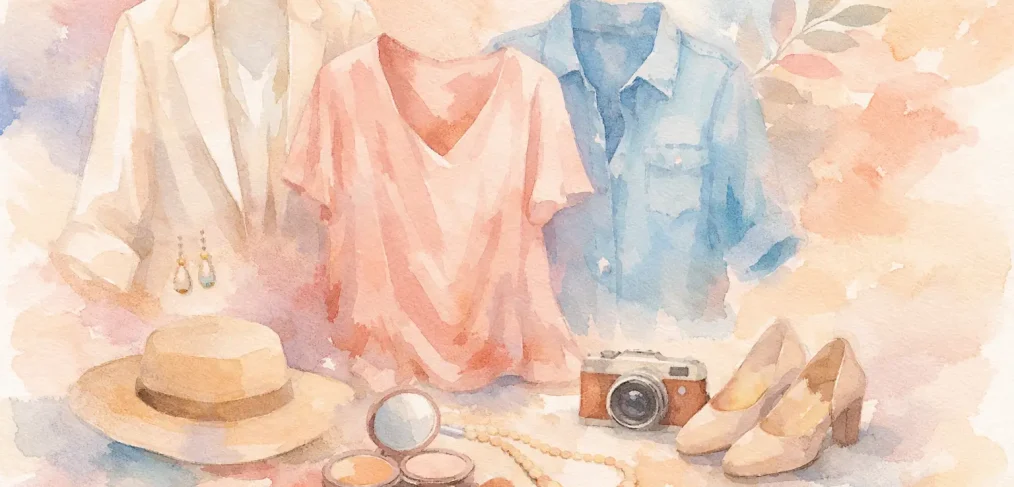
Some pieces return again and again because they photograph reliably and feel elegant without trying too hard. A fitted blazer over a solid top is a strong choice for professionals. A midi or sheath dress in a flattering solid color can feel polished and feminine. A well-made blouse with subtle structure is often ideal for a softer, approachable headshot.
If your work is more creative or client-facing, you may also consider a monochromatic look. Wearing one color family from top to bottom can feel modern, clean, and quietly luxurious. It also keeps the focus exactly where it belongs – on your face.
That said, the right answer is not the same for everyone. A realtor, therapist, designer, attorney, and small business owner may all need different versions of polished. Personal style matters. Brand positioning matters. Confidence matters most.
What to skip, even if you love it
There are a few wardrobe choices that tend to create problems on camera. Anything too tight, too sheer, heavily wrinkled, or covered in distracting embellishment is rarely worth the risk. Tiny checks and certain narrow stripes can create visual distortion in digital images. Athleisure, unless it is directly tied to your profession, usually feels too casual for a lasting headshot.
And if an outfit is beautiful but makes you feel self-conscious, skip it. The camera sees hesitation. It also sees ease.
A strong headshot is never about dressing like someone else. It is about presenting yourself with clarity, confidence, and intention. Choose pieces that honor your shape, reflect your role, and let your expression lead. When your wardrobe feels effortless and aligned, the portrait does too.
If you are deciding what to wear the night before your session, keep it simple: pick the outfit that makes you stand taller, feel like yourself, and look polished without asking for attention.