How to Style Mommy and Me Photos Well
The best mommy and me portraits rarely come from matching outfits alone. If you are wondering how to style mommy and me photos, the answer is usually less about copying the same look and more about creating harmony – in color, texture, fit, and mood. The goal is to look connected without looking costumed, polished without feeling stiff, and timeless enough that your images still feel beautiful years from now.
Styling matters because clothing shapes the entire feel of a portrait. A thoughtfully chosen dress moves better, photographs better, and helps you relax into the session. The right baby or child outfit supports the same feeling. When everything works together, the bond becomes the focus.
How to style mommy and me photos for a timeless look
A timeless wardrobe starts with softness and restraint. Neutral tones, muted pastels, and earthy shades tend to photograph beautifully because they do not compete for attention. Cream, ivory, tan, blush, dusty blue, sage, and soft brown all work well. These colors flatter skin tones, blend naturally into fine-art portrait styling, and keep the emotional focus where it belongs.
That does not mean bold color is always wrong. It depends on the setting and the story you want your portraits to tell. A rich rust, deep olive, or muted mauve can be striking, especially in studio portraits or golden outdoor light. The key is choosing shades with depth rather than overly bright tones that can reflect onto skin or pull the eye away from expression.
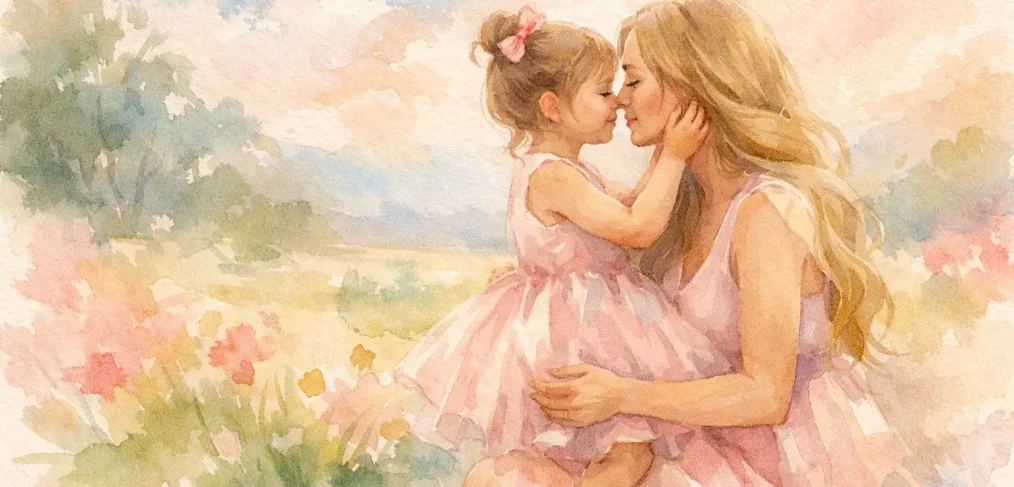
The most elegant approach is coordination, not exact matching. If mom wears a flowing ivory gown, a daughter might wear soft blush or a textured cream dress. If a son is part of the session, a linen shirt in oatmeal, gray, or soft blue often feels refined and effortless. The family looks connected, but each person still feels like themselves.
Start with mom’s outfit first
In mommy and me portraits, mom’s wardrobe usually sets the tone for the entire session. That is why it makes sense to choose her outfit first and build everyone else around it. A dress is often the easiest option because it adds shape, softness, and movement in a very natural way. Fabrics like chiffon, tulle, cotton voile, satin, and linen photograph especially well.
Fit matters just as much as color. A dress that is too tight can feel restrictive, while one that is too loose without structure may not photograph as intentionally. The sweet spot is something flattering and comfortable enough to sit, walk, hold a child, and move naturally. If you are constantly adjusting straps or tugging at fabric, that tension tends to show.
Sleeves can also make a difference. Flutter sleeves, off-the-shoulder necklines, long sheer sleeves, and softly draped silhouettes often create a refined look without feeling overdone. If you want a more fashion-forward portrait, a fitted gown with clean lines can be beautiful too. It simply depends on whether you want your final images to feel airy and romantic or sleek and modern.
Dress children in a way that feels polished, not fussy
Children photograph best when they are comfortable. That sounds simple, but it is where many styling plans go off track. An outfit may look adorable on a hanger and still be the wrong choice if it causes itching, slipping, overheating, or constant adjustment.
For babies and young children, soft fabrics and simple silhouettes usually win. Think classic rompers, bloomers, linen sets, knit pieces, smocked dresses, or understated outfits with subtle texture. For older girls, dresses with movement are lovely, especially if they echo the softness of mom’s look. For boys, a collared shirt with tailored shorts or neutral pants feels clean and elevated without trying too hard.
Avoid clothing with large graphics, visible characters, neon colors, and busy patterns. These details date images quickly and distract from connection. Tiny florals or delicate prints can work in some cases, but only when the palette stays soft and the scale remains small.
Texture does more than pattern ever could
If you want portraits to feel rich and elevated, texture is one of the best styling tools. Lace, linen, knit, chiffon, eyelet, tulle, velvet, and gauze all add depth without overwhelming the frame. In photographs, texture catches light in a subtle way that gives outfits dimension.
This is especially helpful if you are staying within a neutral palette. An all-cream wardrobe can look flat if every fabric is identical. But combine a silky dress, a linen child outfit, and a knit wrap or hair bow, and suddenly the styling feels layered and intentional.
Texture also supports a fine-art aesthetic better than loud prints. It adds interest while preserving softness. That is one reason boutique portrait styling often feels so refined even when the colors are simple.
Choose a palette that fits the setting
A good wardrobe does not exist in isolation. It should make sense with the location, backdrop, and season. Studio portraits often pair beautifully with lighter neutrals, sculptural gowns, and cleaner styling because the environment is controlled. Outdoor sessions can handle a little more variation, especially if the landscape brings in warmth, greenery, or texture.
In San Antonio, light can be bright and warm for much of the year, so breathable fabrics and lighter tones often feel especially fitting. Creams, taupes, pale peach, and soft greens tend to work beautifully in natural light. If your session is scheduled closer to fall, richer earth tones can feel grounded and elegant.
The trade-off is this: the more dramatic the setting, the simpler the wardrobe often needs to be. If you are surrounded by blooming fields, architectural details, or deep sunset color, subtle clothing usually creates the most balanced result.
Keep accessories minimal and intentional
Accessories should support the portrait, not announce themselves. Delicate jewelry, a classic headband, a soft bow, or simple shoes can finish the look beautifully. Too many accessories, though, can make the styling feel busy.
For moms, understated earrings, a fine necklace, or a meaningful ring is often enough. For little girls, a small bow or textured headband can add charm without distraction. Barefoot portraits can also be beautiful, particularly in studio settings or grassy outdoor locations where a softer, more organic feel suits the image.
This is one of those places where restraint pays off. If you are debating between two accessories, the simpler option is usually the stronger one on camera.
What to avoid when styling mommy and me photos
Some choices create problems not because they are unattractive in real life, but because they photograph inconsistently. Bright white can blow out highlights in harsh light, while very dark black can lose detail depending on the setup. Tiny stripes, logos, and high-contrast patterns can pull attention away from faces and create visual noise.
It is also wise to avoid outfits that are too trend-driven if you want a timeless result. Extremely exaggerated sleeves, flashy cutouts, or heavily branded fashion pieces may feel current now but can date your portraits quickly. If your goal is an heirloom image, classic styling usually serves you better than what is trending this month.
Another common mistake is overmatching. Identical dresses or the same exact color on everyone can flatten the portrait. Connection comes from thoughtful coordination, not duplication.
Plan for movement, cuddling, and real interaction
The strongest mommy and me portraits usually include movement. You may sway with your baby, walk hand in hand, sit close, lift your child, or wrap them into your arms. Styling should support those moments.
That is why flowing dresses often photograph so beautifully. They create shape while you move and add softness when you sit or kneel. Children’s outfits should also allow bending, cuddling, and play. If a child cannot comfortably climb into your lap or twirl without fussing, the outfit may be working against the session.
Before your portrait day, try everything on together. Sit down, pick up your child, walk a few steps, and notice what shifts. A quick test at home can save a lot of stress later.
How to make your portraits feel elevated but still personal
The most memorable images are not just well styled. They also feel true to you. If your everyday style leans romantic, a soft dress with delicate detail will probably feel more natural than a sharp editorial look. If you prefer minimal fashion, a clean silhouette in a neutral tone may suit you perfectly.
Personal style can show up in subtle ways – a favorite fabric, a meaningful piece of jewelry, a palette you naturally gravitate toward. The refinement comes from editing those choices, not erasing them. You want your portraits to look like the most polished version of your family, not a version that feels borrowed.
When styling is done well, you stop noticing the clothes and start noticing the connection. That is exactly where beautiful mommy and me portraits begin.