
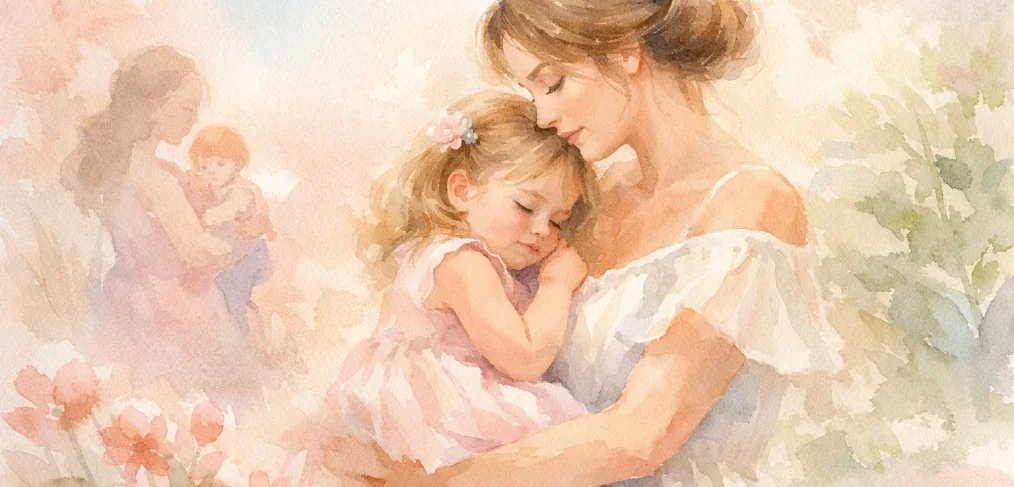
Your Guide to Motherhood Portrait Sessions
A motherhood portrait session is not about arriving with a perfect child, a perfectly coordinated closet, or a practiced smile. It is about preserving the season you are living right now: the way your little one reaches for you, the tenderness in your expression, and the connection that can feel ordinary in the moment but priceless years later. This guide to motherhood portrait sessions will help you prepare for an experience that feels calm, beautiful, and true to your family.
Why Motherhood Portraits Matter
Motherhood moves quickly, even when the days feel long. Babies become toddlers, toddlers gain opinions, and the quiet rituals of being needed so completely begin to change. Portraits give those fleeting details a place to live beyond your phone camera roll.
A thoughtfully planned session also gives mothers permission to be present in the frame. So often, you are the one documenting birthdays, first steps, and everyday joy. A motherhood session creates images where your children can see not only what their childhood looked like, but also how it felt to be loved by you.
Fine-art-inspired portraits do not need to be stiff or overly posed to feel elevated. The most enduring images often balance gentle direction with room for real interaction. A soft embrace, a child resting their head on your shoulder, shared laughter, or a quiet glance can become the image you return to again and again.
Choosing the Right Time for Your Session
There is no single right age for a motherhood portrait session. The best timing depends on the story you want to remember and the rhythms of your family.
For maternity portraits, many mothers feel most comfortable scheduling between 28 and 34 weeks. Your bump is beautifully defined, while you are often still able to move comfortably and enjoy the experience. If you are expecting multiples or have a high-risk pregnancy, an earlier date may be a more comfortable choice.
For mommy and me portraits, sitting babies, busy toddlers, and school-age children each bring something distinct to the images. Babies who can sit independently offer sweet eye contact and cuddly closeness. Toddlers bring movement, personality, and delightfully unexpected moments. Older children may be more reserved at first, but they often settle in when the session feels like time with you rather than a performance.
Consider your child’s schedule before choosing a time of day. A session that overlaps with nap time, a late afternoon hunger slump, or an already full weekend can make everyone feel rushed. Morning light can be especially lovely for young children who are happiest earlier in the day, while an evening session may suit families who want a warmer, more relaxed pace.
Give Yourself More Time Than You Think You Need
The hour before a portrait session does not need to feel frantic. Plan to have hair, makeup, clothing, and snacks organized ahead of time, then leave a cushion for last-minute spills, missing shoes, or a child who suddenly needs extra cuddles.
If your session includes professional hair and makeup, treat it as part of the experience rather than another item on your to-do list. A polished, camera-ready finish can help you feel confident, while still looking like yourself. The goal is not transformation. It is to let you step into the images feeling cared for.
What to Wear for Motherhood Portraits
Your wardrobe sets the visual tone, but it should never overpower the connection in the frame. Soft neutrals, creamy whites, muted pastels, warm earth tones, and subtle textures photograph beautifully in a modern, minimal setting. These colors keep the focus on skin tones, expressions, and the bond between you and your child.
Choose clothing with movement and comfort in mind. A flowing dress, a skirt with gentle texture, or an elevated knit can create beautiful lines while allowing you to sit on the floor, hold your child, and move naturally. If you are pregnant, a fitted silhouette can celebrate your shape, while a more flowing gown can create a softer, romantic effect. Neither is better – it depends on how you want to feel in your portraits.
For children, simple is often best. A classic dress, soft romper, linen set, or neutral shirt and pants will age more gracefully than loud graphics or heavily branded clothing. Avoid matching everyone exactly. Instead, select colors that belong in the same family. For example, ivory, blush, soft blue, and camel can feel coordinated without looking costume-like.
Bring a backup outfit for little ones, especially if they are in the snack-loving or puddle-seeking stage. It is a practical detail that can protect the calm, polished feeling of the day.
Preparing Children Without Creating Pressure
Children do not need a long speech about how they must behave for photos. In fact, that kind of pressure can make a session harder. A simple, upbeat explanation is enough: you are going somewhere special to take pictures together.
Let your child know they will get to hug, play, sit close, and spend time with you. If they have a comfort item that helps them settle, bring it along. It may stay out of the photos, or it may make a brief appearance. Either outcome is okay. A familiar item can be the bridge that helps a child feel secure in a new environment.
Snacks can be useful, but choose carefully. Clean, non-messy options are usually best, and save them for a moment when encouragement is truly needed. Avoid promising a big reward for smiling. Children respond more naturally to play, connection, and permission to be themselves than to repeated requests to look at the camera.
Let the Session Follow Your Child’s Energy
A refined session does not require every image to be perfectly still. Your photographer may begin with a few gently guided portraits, then invite movement through walking, swaying, tickling, or lifting your child close. Those in-between moments often reveal the warmth families love most.
If your child needs a break, that is not a failure. Taking a minute to cuddle, offer water, or reset can lead to better images than pushing forward. Toddlers especially tend to do best when adults remain lighthearted and flexible.
How to Feel Natural in Front of the Camera
Many mothers worry that they will look awkward in portraits. This concern is incredibly common, particularly when you are used to standing behind the camera instead of in front of it. The right direction makes a meaningful difference.
Rather than wondering where to place your hands, focus on your child. Look at their face. Smooth their hair. Whisper something that makes them laugh. Hold them close and take a slow breath. These small actions create relaxed body language and give the images emotional depth.
You do not need to look at the camera in every photograph. A mix of connected, candid-feeling images and more classic portraits creates a complete gallery. Some frames may feel editorial and polished; others may feel like a quiet memory. Together, they tell a fuller story.
Be gentle with yourself on session day. If your child cries, clings, refuses a shoe, or decides they have had enough after a few minutes, it does not erase the beauty of the experience. Motherhood is not polished every second, and the tenderness of how you respond is often what makes the images meaningful.
Creating Heirlooms, Not Just Digital Files
After your session, make a plan for how you want to enjoy your portraits. Digital images are valuable, but they are easy to lose in a crowded device or postpone printing indefinitely. A framed portrait in your home, a fine-art album, or a set of prints in a keepsake box brings the experience into your everyday life.
Choose images that make you feel something, not only the ones where everyone is looking perfectly at the camera. The photograph of your child’s hand holding your finger may become just as precious as the formal family portrait. Years from now, those details will carry the weight of a whole chapter.
At Veronika Gant Photography, the intention is to create a portrait experience that feels as beautiful as the images themselves: calm, considered, and centered on the people you love most. Wear what makes you feel lovely, hold your child close, and allow this season of motherhood to be seen.