
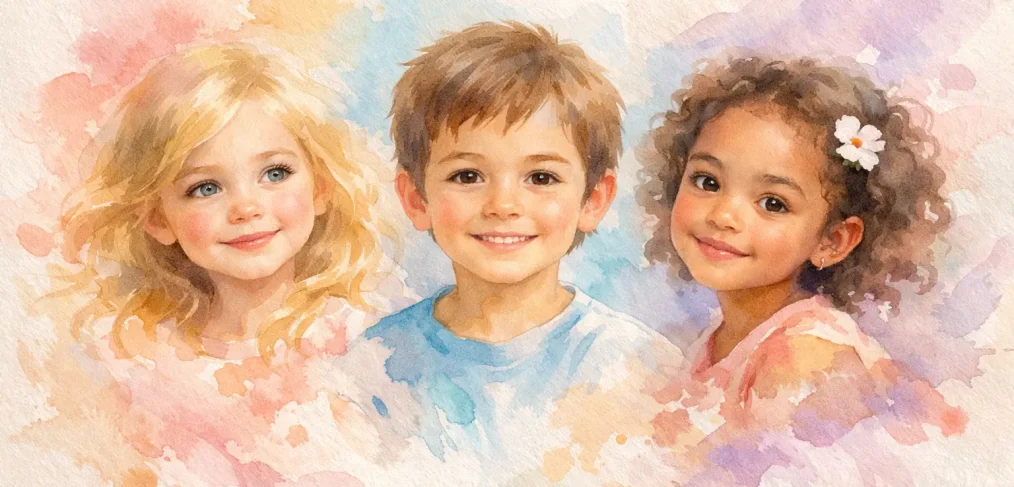
A Guide to Children Talent Headshots
Your child gets an audition request, and suddenly one simple photo starts to feel very high stakes. That is exactly why a thoughtful guide to children talent headshots matters. The right image should look polished without feeling overdone, natural without looking casual, and expressive without turning into a costume of confidence.
For parents, the goal is not to make a child look older, trendier, or more dramatic than they are. It is to create a headshot that feels honest, current, and professionally finished. Casting teams want to see the child they may actually meet in the room, not a heavily styled version that disappears the moment the audition begins.
What children talent headshots are really meant to do
A children’s talent headshot is not the same as a school portrait, a pageant image, or a milestone session. It has a very specific job. It needs to introduce your child quickly and clearly, with enough personality to make someone pause and look a little longer.
That means the best headshots usually feel simple. Clean lighting, natural expression, and age-appropriate styling tend to do far more than elaborate wardrobe choices or dramatic retouching. In most cases, the photo should feel current and believable. If your child has freckles, curls, a gap-tooth smile, or a soft, serious expression, those details can be part of what makes them memorable.
This is where many parents get stuck. They assume a talent headshot needs to be flashy to stand out. Usually, the opposite is true. A refined image with genuine expression is often far more effective than one trying too hard.
A practical guide to children talent headshots for parents
The strongest headshots begin well before the camera comes out. Preparation shapes the result more than parents expect, especially with children. If the child feels rushed, overly directed, or dressed like someone else, it usually shows.
Choose a look that still feels like your child
Wardrobe should support the face, not compete with it. Solid colors usually photograph best because they keep the attention where it belongs. Soft blues, cream, muted pinks, earthy greens, and classic neutrals are often flattering, though the right choice depends on skin tone, hair color, and the overall mood of the session.
Avoid logos, loud prints, sequins, and clothing with distracting textures unless there is a very specific reason to include them. The point is not to strip away personality. The point is to keep the image timeless and readable.
For younger children, simple tops with clean necklines tend to work beautifully. For older kids and teens, a slightly more polished option can make sense, but it should still feel natural. If a child never wears a blazer and feels stiff in one, forcing it for the headshot is usually not worth it.
Keep hair and grooming polished but believable
Hair should look neat, healthy, and familiar. If your child normally wears their curls natural, that is often the best choice. If they usually have a clean side part or a tidy ponytail, keep that. Headshots should reflect a current version of the child, not a one-time styling experiment.
The same goes for makeup. For children, less is almost always better. If a teen wears very light, natural makeup daily, that can be appropriate. Heavy contour, dramatic lashes, or strong lip color can age a child unnecessarily and may make the image feel less credible.
Skin retouching should also stay minimal. A temporary scratch or blemish can be softened, but the overall texture and character of the face should remain intact. Parents investing in professional portraits often appreciate polish, but with talent headshots, authenticity carries real weight.
Expression matters more than perfect posing
Parents often worry about posture, hand placement, or whether their child knows how to smile on command. Those concerns are understandable, but expression usually matters far more than technical posing.
Casting directors are often reading the eyes first. They want openness, spark, warmth, curiosity, or quiet confidence, depending on the child’s age and look. A technically perfect smile with no life behind it rarely does much. A more relaxed expression with genuine connection can be far stronger.
A good photographer knows how to draw this out without making a child perform. Some kids are naturally outgoing. Others need a gentler pace and a little more space. That is not a problem. In fact, subtle expressions often create some of the most compelling headshots.
Why comfort changes the final image
Children photograph best when they feel safe and understood. That does not mean turning the session into total chaos, but it does mean creating room for personality. A child who is constantly corrected will often shut down. A child who is gently guided tends to stay expressive.
This is one reason experience matters. Photographing children for talent work requires a different rhythm than photographing adults. The photographer needs to balance professionalism with warmth, and direction with flexibility. When that balance is right, the result feels effortless even though it was carefully shaped.
Background, lighting, and styling choices that work
Talent headshots do not need elaborate sets. In fact, overly styled backgrounds can distract from the child. Simple, clean backdrops are often the strongest choice because they keep the focus on expression and features.
Lighting should be flattering and modern. Harsh shadows can feel too dramatic for most children’s headshots, while flat lighting can leave the portrait feeling lifeless. The best approach usually creates softness with enough dimension to define the face beautifully.
This is where a fine-art-inspired approach can be especially effective. A polished, minimal image feels elevated without losing clarity. It gives the headshot a professional finish while still keeping the child recognizable and approachable.
How often children talent headshots should be updated
Children change quickly. A headshot that looked accurate six months ago may already feel outdated, especially during periods of fast growth. Missing teeth, a new haircut, changing face shape, or simply looking more mature can all shift how current the image feels.
As a general rule, update children’s talent headshots at least once a year, and sooner if your child’s appearance changes noticeably. If they are actively auditioning, staying current matters even more. An outdated headshot can create confusion and disappointment before the audition even begins.
This is not about chasing perfection or booking endless sessions. It is about making sure the photo still matches the child walking into the room.
Common mistakes parents make
One of the biggest mistakes is choosing a favorite portrait instead of the most effective headshot. A beautiful image is not automatically the right one for talent submissions. If the styling is too formal, the crop is too wide, or the expression feels posed rather than real, it may not serve the purpose.
Another common misstep is overediting. Brightening eyes too much, smoothing skin heavily, or altering features can make the image feel artificial. That might work in some commercial photography settings, but for talent headshots it usually creates distance instead of connection.
There is also the question of personality. Some parents want a very smiley image because their child is cheerful. Others prefer a serious expression because it feels more sophisticated. Both can work. It depends on the child. The stronger choice is the one that feels honest and versatile, not the one chasing a trend.
Choosing the right photographer for children talent headshots
If you are investing in professional headshots, look for someone who understands both portrait quality and child direction. Beautiful work alone is not enough. The photographer should know how to create images that feel polished, current, and useful for talent representation.
Ask yourself whether the portfolio shows real variety in expression, whether the children look comfortable, and whether the styling feels age-appropriate. A refined aesthetic matters, but so does restraint. Children should still look like children.
For families who value a boutique experience, this is also about trust. You want a photographer who can guide wardrobe, simplify decisions, and create a calm environment where your child can show up naturally. That level of care often makes the difference between a decent headshot and one that feels truly compelling.
In a market like San Antonio, where families have access to many photography options, choosing someone with a polished eye and an intuitive approach to children can save a great deal of second-guessing later.
What to expect after the session
Once the gallery is ready, narrowing down the final image can be harder than parents expect. It helps to look beyond your personal favorite and ask a more practical question: which image feels most like my child on their best day?
That usually means clear eye contact, relaxed confidence, and styling that will still feel appropriate a few months from now. A slightly less smiley image may be stronger if it shows depth. A simpler frame may be better if it keeps the attention on the child’s expression.
If you are working with a photographer who understands this genre well, trust their guidance. They can often spot the image that will read best to industry professionals, even if it is not the one that first catches a parent emotionally.
The best children’s talent headshot is not trying to turn your child into someone else. It gives casting teams a clear, beautiful introduction to who they already are, and that kind of honesty has a way of lasting longer than any trend.