Why Fine Art Family Portraits Last
A child leans into your shoulder for half a second, then wiggles away. A toddler decides shoes are unacceptable. Someone laughs at the wrong moment, and somehow that is the frame you love most. Fine art family portraits are designed to hold onto that kind of truth, but with more intention, more polish, and a sense of permanence that feels worthy of the season you are living.
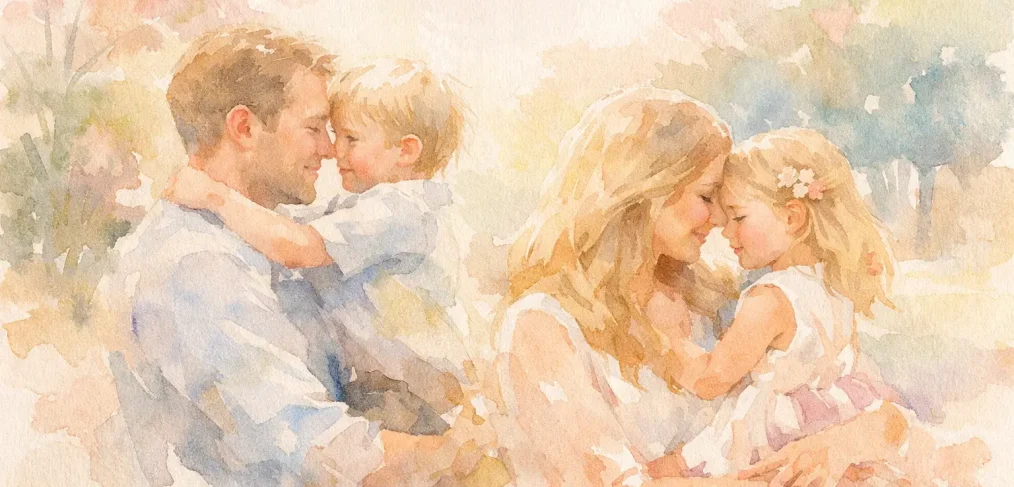
For many families, portraits are not just about proving everyone was present and smiling at the same time. They are about preserving how this chapter felt. The softness of a growing family, the confidence of motherhood, the tenderness between siblings, the way your children look at you before they are old enough to hide it. A fine art approach gives those moments shape and beauty without stripping away what makes them real.
What makes fine art family portraits different
The difference is not just editing or wardrobe. It begins with vision. Fine art family portraits are created with intention from the first conversation to the final artwork. Light, composition, styling, color palette, posing, and expression are all considered together so the finished image feels elevated rather than accidental.
That does not mean the session feels stiff. In fact, the best fine art portraits often leave room for natural connection. The artistry comes from knowing when to guide and when to pause. A well-crafted image can feel serene and organic at the same time.
This style also tends to favor simplicity over distraction. Clean backgrounds, refined tones, and carefully chosen clothing allow the people in the frame to remain the focus. Years from now, that restraint matters. Trends change quickly. A portrait built around light, emotion, and classic design keeps its relevance much longer.
Why families choose a fine art approach
Most parents are surrounded by quick photos. Phones are full of snapshots, school folders collect yearly pictures, and social media offers an endless stream of images that appear and disappear just as fast. What is often missing is a portrait that feels complete.
A fine art session fills that gap. It gives your family a chance to be seen with care. Instead of capturing a random moment, it creates a lasting one. That distinction is especially meaningful during seasons that pass quickly, like pregnancy, early motherhood, and the childhood years when everything changes in a matter of months.
There is also an emotional reason families gravitate toward this style. Fine art portraiture honors people. It says this bond matters, this chapter matters, this family deserves to be remembered beautifully. That kind of imagery belongs in more than a phone gallery. It belongs framed, printed, and revisited.
The role of styling in fine art family portraits
Styling carries more weight than many people expect. Clothing can either support the portrait or compete with it. In fine art family portraits, wardrobe is usually chosen for harmony rather than variety. Soft neutrals, muted tones, gentle texture, and flattering silhouettes photograph beautifully because they keep the eye on expression and connection.
This does not mean every family should wear beige and call it a day. The best styling reflects both the artistic direction of the session and the personality of the people being photographed. A mother may want something graceful and flowing. A child may need an outfit that looks polished but still allows movement. A family with older children may prefer a more structured, modern look. It depends on the story you want the portraits to tell.
The same principle applies to hair, makeup, and accessories. A refined finish photographs well, but overstyling can feel disconnected if it does not match the family. The goal is not perfection for its own sake. The goal is cohesion.
Fine art does not mean formal in the old-fashioned sense
One common misconception is that fine art portraiture always feels rigid. In reality, it can be incredibly warm. The structure simply supports the emotion.
A beautifully posed portrait of a mother with her children can look classic and tender, but that does not prevent playful images from happening too. Some of the strongest galleries include both. You may want one frame where everyone is composed and looking toward the camera, and another where your child is laughing into your dress or reaching for your hand.
That balance is where experience matters. A photographer working in a fine art style knows how to guide a family into flattering compositions while still making space for genuine interaction. The result is a gallery that feels thoughtful, not forced.
Light, color, and mood matter more than people realize
When a portrait feels timeless, it is often because the light was handled well. Soft directional light creates dimension, flatters skin, and adds quiet drama without feeling heavy. It can turn a simple pose into something memorable.
Color matters just as much. Fine art imagery usually leans into a controlled palette so the full gallery feels cohesive. Cream, ivory, taupe, soft blue, blush, olive, and warm earth tones tend to age beautifully. Bright neon colors or loud patterns can be fun in everyday life, but they rarely create the same enduring quality in portraiture.
Mood is the final layer. Some families want their portraits to feel airy and romantic. Others prefer a moodier, more editorial finish. Neither is wrong. What matters is consistency. When the visual choices align, the portraits feel intentional rather than pieced together.
When fine art family portraits are especially worth it
There are certain seasons when this style feels particularly meaningful. Family growth is one of them. If you are welcoming another baby, adjusting to life with little ones, or watching siblings grow into new dynamics, portraits can preserve a version of your family that will not stay the same for long.
Milestone years are another natural fit. The first birthday, the year before kindergarten, a graduation, an anniversary, or a season when motherhood itself feels worth honoring – these are moments that deserve more than rushed documentation.
They are also worth considering when you want artwork for your home. Fine art family portraits are often created with printing in mind. That changes the way a session is planned. The image is not just meant to be posted and forgotten. It is meant to live on your wall, in an album, and eventually in the hands of your children.
Choosing the right photographer for fine art family portraits
Style should be the first filter. Look for a portfolio with consistency, not just one or two strong images. The posing, editing, use of light, and emotional tone should all feel aligned. If one gallery is bright and casual and the next is dark and dramatic, you may not know what experience or result to expect.
Beyond style, pay attention to guidance. Families often assume they need to arrive already knowing what to wear and how to pose. A premium portrait experience should remove that pressure. Clear direction around wardrobe, session design, and artwork options makes the process feel calm and elevated.
Personality fit matters too. You want someone who can lead with confidence while still making you feel comfortable. This is especially true for mothers who are often used to being behind the camera and for children who need patience rather than pressure. A beautiful portrait starts before the shutter clicks.
For families in San Antonio who want that blend of refinement and warmth, working with a boutique studio that understands motherhood, milestones, and heirloom artwork can make all the difference.
The value of portraits that grow with your family
The real beauty of fine art portraiture becomes clearer over time. One session is meaningful. A collection built across years becomes part of your family story. The maternity image, the mother-and-child portrait, the sibling milestone, the annual family session – together they create a visual legacy that no single image can carry alone.
That does not mean you need a perfectly planned archive from day one. It simply means choosing portraits with enough care that they still feel relevant later. When the style is timeless and the emotion is honest, the images continue to give something back.
The best portraits do more than show what everyone looked like. They remind you who you were to each other in that moment. And when life moves quickly, that kind of beauty is worth making room for.